How to Teach Critical Thinking at Home: 7 Strategies Every Parent Needs
Key Takeaways
- ✓The single most powerful critical thinking question a parent can ask is 'How do you know?' — it teaches children to distinguish belief from evidence.
- ✓Seven effective home strategies are: ask 'How do you know?', embrace 'I don't know', play devil's advocate, use media as teaching moments, use games and puzzles, encourage reasoned disagreement, and let children fail safely.
- ✓Saying 'I don't know — let's find out together' models intellectual humility, curiosity, and research skills for children.
- ✓Critical thinking develops through struggle, not ease — post-failure reflection is where the deepest learning happens.
Practical, everyday strategies for teaching critical thinking to your children at home — no curriculum required, just conversation and consistency.
You do not need a teaching degree to raise a critical thinker. In fact, some of the most powerful critical thinking lessons happen at the kitchen table, in the car, or during bedtime conversations. Here are seven strategies that work.
Strategy 1: Ask "How Do You Know?"
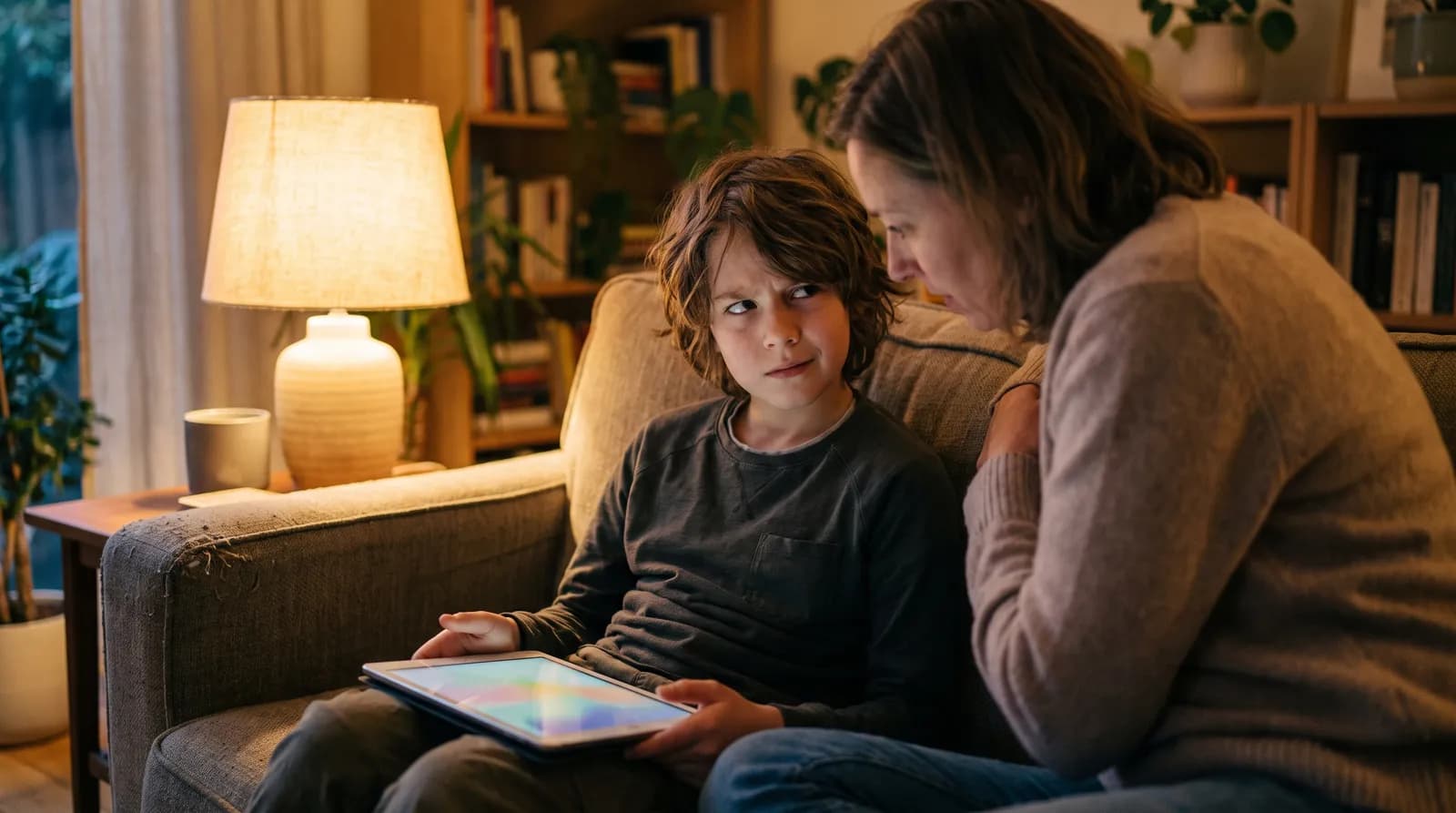
This single question is the most powerful critical thinking tool a parent can use. When your child states something as fact — "Dogs are smarter than cats" or "This is the best video game ever" — gently ask: "How do you know that? What makes you think so?"
You are not challenging them. You are teaching them to distinguish between what they believe and what they can support with evidence. Over time, children start asking themselves this question before they speak — and that is critical thinking in action.
Strategy 2: Embrace "I Don't Know"
Many parents feel they need to have all the answers. The opposite is true. When your child asks a question you cannot answer, say: "I don't know — let's find out together."
This models three essential critical thinking behaviors: intellectual humility, curiosity, and research skills. It shows children that not knowing is not failure — it is the starting point of learning.
Strategy 3: Play Devil's Advocate
Pick a topic your child feels strongly about. Then, respectfully, argue the other side. "You think recess should be longer. What might a teacher say about that? What problems could longer recess cause?"
This is not about winning an argument. It is about teaching perspective-taking — the ability to understand and evaluate viewpoints different from your own. Start with low-stakes topics (pizza vs. tacos) and work up to more complex issues.
Strategy 4: Make Media a Teaching Moment
Every commercial, social media post, and news headline is a critical thinking lesson waiting to happen. Watch together and ask:
- "What are they trying to make you feel?"
- "What information did they leave out?"
- "Who benefits from this message?"
- "How could we verify this claim?"
This is media literacy — and it is one of the most valuable critical thinking skills in the modern world. Our Truth Detective game practices exactly these skills in a fun, gamified format.
Strategy 5: Use Games and Puzzles
Games are critical thinking in disguise. When your child plays chess, they practice strategic planning. When they solve a logic puzzle, they practice deductive reasoning. When they work through a maze, they practice spatial thinking and persistence.
The key is variety. Rotate between:
- Board games — Chess, Clue, Mastermind, Blokus
- Print puzzles — Mazes, logic grids, word searches, brain teasers. Our activity books offer hundreds of these.
- Digital games — ThinkQuest AI's free online games each target a specific reasoning skill.
Strategy 6: Encourage Reasoned Disagreement
Create a home culture where disagreement is welcome — as long as it comes with reasons. "I disagree because..." is always acceptable. "Because I said so" and "Just because" are not.
This applies to you, too. When you make a family decision, explain your reasoning. "We are going to the park instead of the pool because it is supposed to storm this afternoon and outdoor pools close during lightning." Children who grow up with reasoned explanations learn to expect — and produce — them.
Strategy 7: Let Them Fail (Safely)
Critical thinking develops through struggle, not ease. When your child's science project does not work or their plan falls apart, resist the urge to fix it. Instead, ask:
- "What happened?"
- "Why do you think it did not work?"
- "What would you do differently next time?"
This post-failure reflection is where some of the deepest critical thinking happens. The goal is not to avoid mistakes — it is to learn from them systematically.
Building Daily Critical Thinking Habits
The strategies above work best when they become habits, not events. Here is a simple daily routine:
- Morning: Ask a "Would You Rather" question with required reasoning at breakfast.
- After school: "What is one thing you learned today that surprised you? Why was it surprising?"
- Screen time: Replace 10 minutes of passive content with a ThinkQuest AI game.
- Dinner: Share a brain teaser or "Fact or Opinion?" challenge.
- Bedtime: Reflect on one decision made today. "Was it a good decision? What information helped you decide?"
Start Tonight
Teaching critical thinking at home is not about adding another item to your to-do list. It is about shifting how you interact with your child — from telling to asking, from answering to exploring together.
Pick one strategy from this list and try it tonight. For structured support, explore ThinkQuest AI's free games and activity books designed to make critical thinking the most fun part of your child's day.
Frequently Asked Questions
How can parents teach critical thinking at home?
Parents can teach critical thinking through seven daily strategies: asking 'How do you know?' when children state facts, saying 'I don't know — let's find out together,' playing devil's advocate on fun topics, analyzing media and ads together, using games and puzzles, encouraging reasoned disagreement, and allowing safe failure.
What is the best question to build critical thinking in kids?
The most powerful question is 'How do you know that?' When asked gently and consistently, it teaches children to distinguish between what they believe and what they can support with evidence. Over time, children start asking themselves this question before speaking.
How do you teach media literacy to children?
Watch commercials, news, and social media together and ask four questions: What are they trying to make you feel? What information did they leave out? Who benefits from this message? How could we verify this claim? This builds critical evaluation of all media children encounter.
What daily habits build critical thinking in children?
Effective daily habits include: a 'Would You Rather' question with required reasoning at breakfast, asking 'What surprised you today?' after school, replacing 10 minutes of passive screen time with a thinking game, sharing a brain teaser at dinner, and reflecting on one decision at bedtime.
Try our free critical thinking games!
Fun, colorful brain-building games for kids ages 6-14. No signup required.
Play Now