Ocean Giant Facts for Kids: 24 Amazing Things About Whales and Sea Giants
Key Takeaways
- ✓The blue whale is the largest animal that has ever lived — bigger even than the biggest dinosaurs.
- ✓Whales are mammals, not fish: they breathe air, are warm-blooded, and feed their babies milk.
- ✓Baleen whales filter tiny food from the water; toothed whales like orcas and sperm whales hunt bigger prey.
- ✓The whale shark and manta ray are giant fish that are gentle filter feeders, harmless to people.
- ✓Many ocean giants were nearly wiped out by hunting, but some, like humpback whales, are now recovering.
Fact-checked ocean giant facts for curious kids: how blue whales, orcas, whale sharks and manta rays live in the sea, why whales are not fish, and how the biggest animals on Earth find their food.
The ocean is home to the biggest animals that have ever existed — creatures so huge that a single one can be longer than three buses and heavier than 25 elephants. From the mighty blue whale to clever orcas and gentle whale sharks, the giants of the sea are full of surprises. Here are 24 fact-checked ocean giant facts for curious kids, grouped so you can find your favourites fast.
Last updated 7 June 2026
What is an 'ocean giant'?
Ocean giants are the truly enormous animals of the sea: the great whales like the blue and humpback, the huge whale shark and manta ray, and deep-sea monsters like the giant squid. The ocean can grow bigger animals than the land because water holds up their weight — on land, a body that size would be crushed by its own bulk. The sea is the only place a blue whale could ever exist (NOAA Fisheries — Whales).
The biggest animal that ever lived
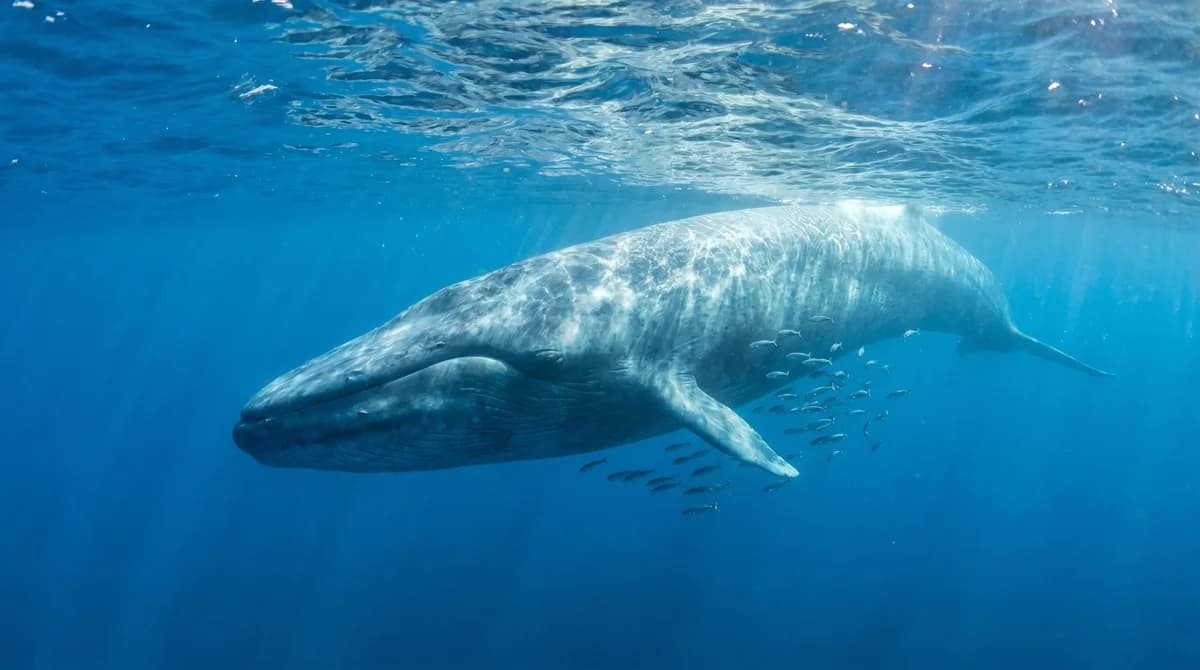
The blue whale is the record-holder for the largest animal in Earth's whole history — bigger than any dinosaur. It can grow to around 30 metres long and weigh over 150 tonnes. Its heart alone is about the size of a small car, its tongue can weigh as much as an elephant, and a newborn calf drinks so much rich milk it gains around 90 kg every day. The numbers are almost impossible to imagine.
Wait — whales are not fish!
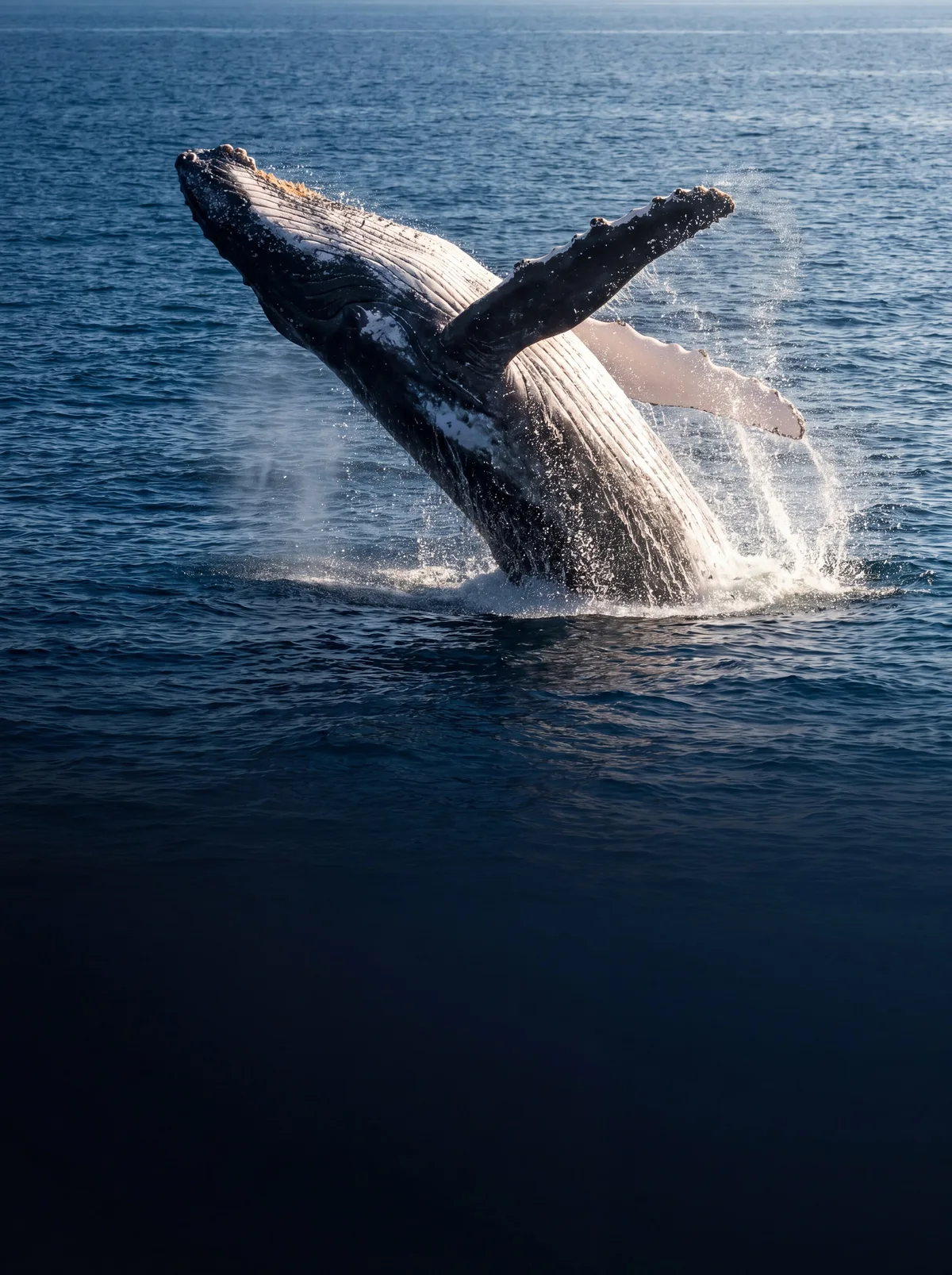
Here is the fact that surprises everyone: a whale is not a fish — it is a mammal, just like you. Whales breathe air through a blowhole, are warm-blooded, give birth to live babies (not eggs), and feed those babies on milk. They only look fish-shaped because that streamlined form is perfect for moving through water. Telling whales and fish apart is a brilliant lesson in grouping animals by what they really are, not just how they look.
Two kinds of whale: filterers and hunters
Whales split into two big groups. Baleen whales (like the blue, humpback and gray) have no teeth — instead they have fringed plates called baleen that work like a giant sieve to strain tiny food from the water. Toothed whales (like orcas, sperm whales and dolphins) have teeth and actively hunt fish, squid and seals. So 'whale' actually covers two very different ways of making a living.
Ocean giants by the numbers
- Biggest animal ever: Blue whale (~30 m, 150+ tonnes)
- Biggest fish: Whale shark (~12-18 m)
- Deepest diver: Sperm whale (2,000+ m)
- Loudest animal: Blue whale (calls ~188 dB)
- Longest migration: Gray whale (~16,000-20,000 km)
- Whales are: Mammals, not fish
How the biggest giants eat the tiniest food
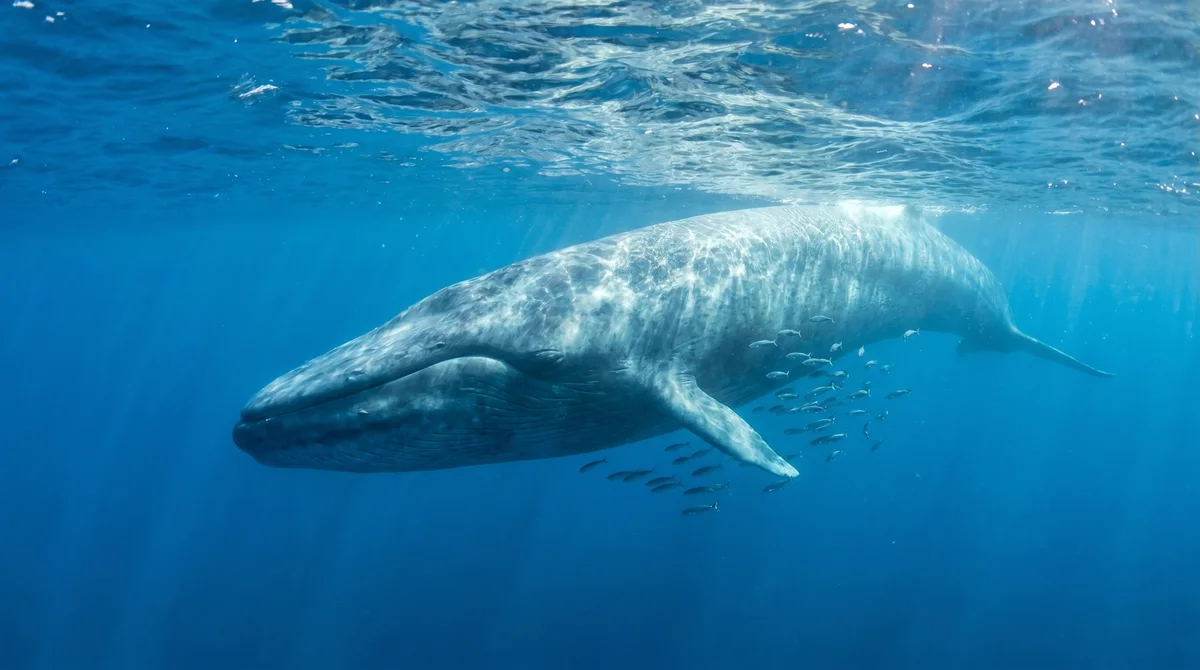
Here is a wonderful surprise: the largest animal on Earth eats some of the smallest. The blue whale lives almost entirely on krill — tiny shrimp-like creatures — gulping a huge mouthful of water and krill, then pushing the water out through its baleen and swallowing what is left. A big blue whale can eat around four tonnes of krill a day in feeding season. Giant body, miniature meals.
Orcas: the ocean's top predator
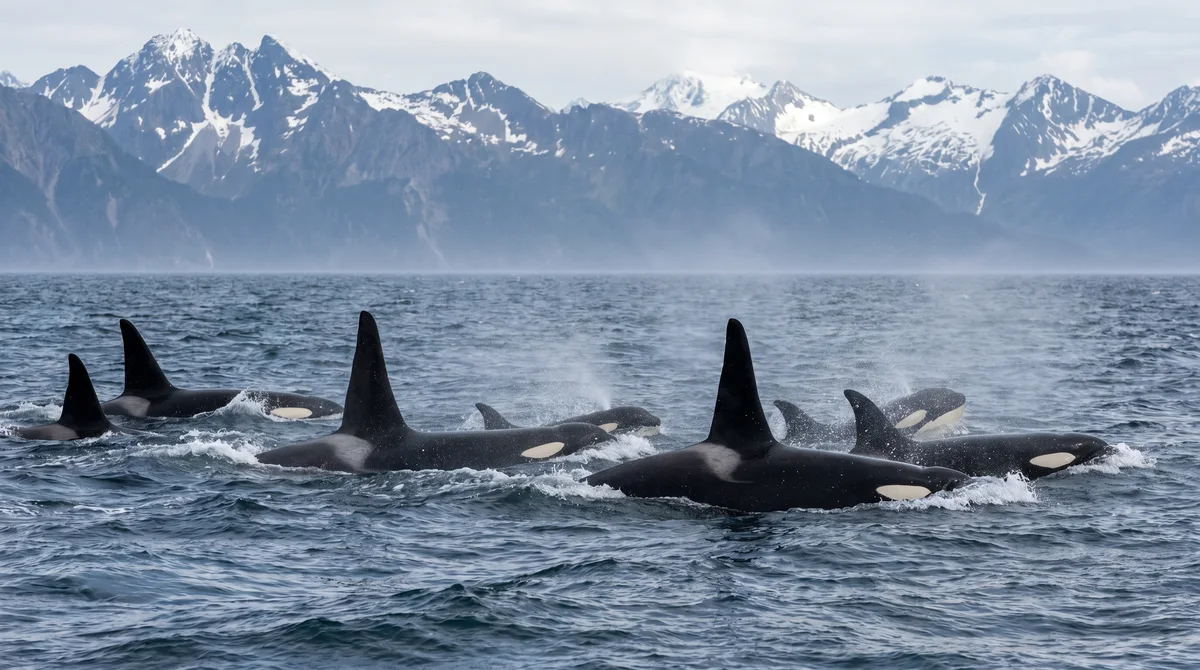
The orca, or killer whale, is actually the largest dolphin — and one of the cleverest animals in the sea. Orcas live in tight family groups called pods and hunt as a team, working together to catch fish, seals and even other whales. Different pods have their own dialects — special sets of calls passed down like a family language. Despite their nickname, wild orcas have essentially never harmed a person (Whale and Dolphin Conservation).
The whale shark: a gentle giant fish
Not every ocean giant is a whale. The whale shark is the biggest fish in the sea, reaching up to 12-18 metres — yet it is one of the gentlest animals in the ocean. Like the great baleen whales, it is a filter feeder, cruising slowly with its huge mouth open to strain plankton and tiny fish. Its back is covered in a unique pattern of white spots, like a fingerprint scientists use to tell individuals apart.
Manta rays: graceful giants
The manta ray looks like it is flying underwater, flapping wing-like fins that can span up to 7 metres tip to tip. Mantas are filter feeders too, funnelling plankton into their mouths as they glide. They have the largest brain of any fish and are curious and intelligent, sometimes seeming to interact with divers. Like whale sharks, they are completely harmless to people.
Champions of the deep
The sperm whale is the deep-diving champion of the mammal world, plunging over 2,000 metres into the dark to hunt giant squid, holding its breath for up to 90 minutes. It also has the largest brain of any animal that has ever lived. To find prey in the pitch black, it uses echolocation — firing out powerful clicks and listening for the echoes, like a living submarine.
Whale songs and ocean conversations
The ocean is full of giant voices. Male humpback whales sing long, complex songs that can last for hours and travel for miles, with all the males in an area sharing the same tune that slowly changes over the years. Blue whales make some of the loudest sounds of any animal — low rumbles that can carry across whole oceans. Sound is how giants stay in touch across the vast, dark sea.
How ocean giants stay warm and breathe
Living in cold seas as a warm-blooded mammal takes special kit. Whales have a thick layer of blubber that keeps their heat in and stores energy. Because they breathe air, they must surface to breathe through the blowhole on top of their head — the misty 'spout' you see is warm breath and water vapour blasting out. Then they hold their breath and dive, some for over an hour at a time.
Why ocean giants matter
Whales do not just live in the ocean — they help keep it healthy. When whales feed deep down and release waste near the surface, they fertilise the water with nutrients that feed tiny plant-like plankton — the base of the whole ocean food web. Those plankton also soak up carbon and make oxygen. Scientists call this the 'whale pump,' and it means protecting whales helps the entire planet (NOAA Fisheries — Whales).
Ocean giants in trouble — and bouncing back
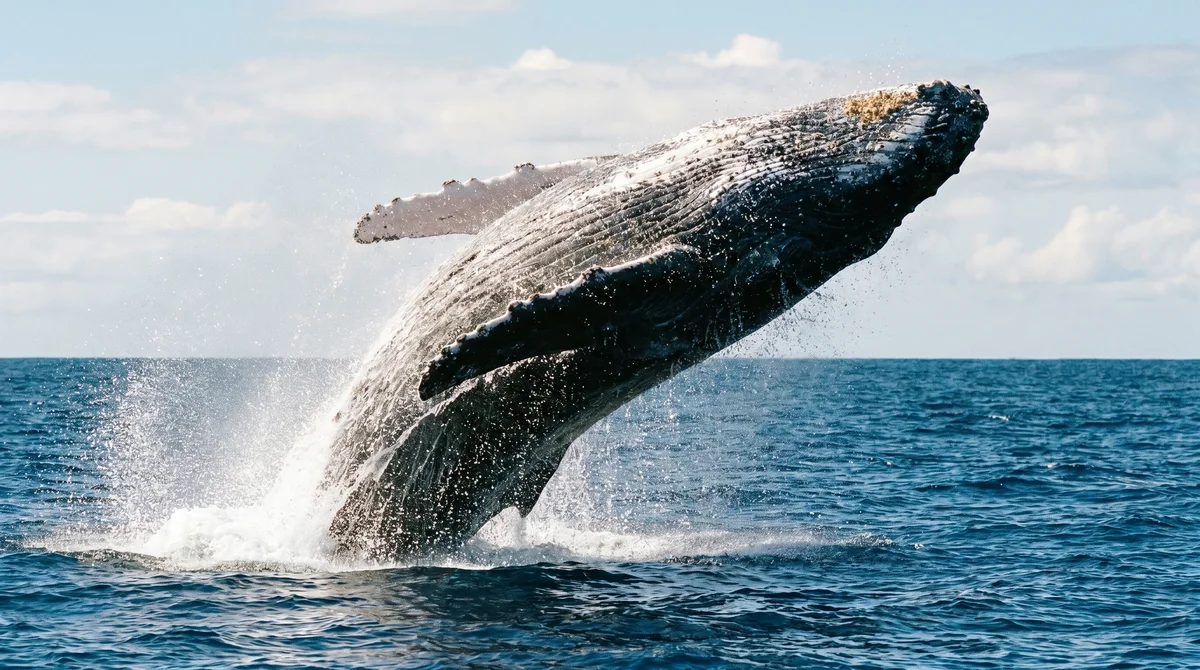
For hundreds of years, whales were hunted in huge numbers for their oil and meat, and some species were pushed to the very edge of extinction. Since most commercial whaling was banned, there has been hope: humpback whales have recovered strongly in many places. But giants still face danger from ship strikes, tangled fishing gear and pollution — which is why understanding them matters so much (IUCN Red List of Threatened Species).
Could a whale swallow a person?
It is the question every whale fan secretly wonders about — thanks to old stories like Jonah and Pinocchio. The real answer involves whale anatomy and some clever myth-busting. Find out in can a whale swallow a person?
Dive in with Wild World: Ocean Giants
Our 15-page science magazine for ages 8-14 covers blue whales, orcas, whale sharks and manta rays — how they live and feed, a Myth-Busters spread, puzzles and a draw-along.
Ready to teach it? See how to teach kids about ocean giants.
Sources and further reading
Facts in this article were checked against the public, expert sources above. Spotted something out of date? Tell us and we will fix it.
Frequently Asked Questions
What is the biggest animal in the ocean?
The blue whale — and it is the largest animal that has ever lived on Earth, growing up to about 30 metres long and weighing more than 150 tonnes, heavier than the biggest dinosaurs.
Are whales fish?
No. Whales are mammals, just like us. They breathe air through blowholes, are warm-blooded, give birth to live babies and feed them milk. They only look fish-like because they live in the sea.
What do ocean giants eat?
It depends. Baleen whales like the blue whale filter huge amounts of tiny krill and small fish. Toothed whales like orcas hunt fish, seals and even other whales. Whale sharks and manta rays filter plankton.
What is the biggest fish?
The whale shark is the biggest fish, reaching up to around 12-18 metres. Despite its size it is a gentle filter feeder that eats tiny plankton and is completely harmless to people.
How do whales breathe?
Whales breathe air through a blowhole on top of their head — really a nostril. They come to the surface to breathe out (the 'spout') and breathe in, then hold their breath to dive, some for over an hour.
Why are ocean giants endangered?
Many great whales were hunted to near-extinction for their oil and meat. Today the biggest dangers are being struck by ships, getting tangled in fishing gear, and ocean pollution, though some species are slowly recovering.
Try our free critical thinking games!
Fun, colorful brain-building games for kids ages 6-14. No signup required.
Play Now