How to Teach Kids About Ocean Giants: Activities and a Free Lesson
Key Takeaways
- ✓Start with wonder — the sheer size of a blue whale instantly grabs kids.
- ✓Chalk a life-size blue whale to turn '30 metres' into something kids can stand inside.
- ✓Use whales to teach that animals are grouped by features, not looks (whales are mammals, not fish).
- ✓Match activities to age: size and sound play for young kids; food webs and conservation for older ones.
- ✓Hands-on projects — baleen models, size outlines, fact files — make the learning stick.
A simple, mostly screen-free way to teach kids about whales and ocean giants — a 15-minute lesson, hands-on activities by age (including a life-size blue whale chalk outline), conversation starters and a magazine that builds real science skills.
Few things amaze children like the size of a blue whale — an animal bigger than any dinosaur, alive right now in our oceans. Best of all, ocean giants are perfect for teaching classifying (whales are mammals, not fish) and adaptation (how a body suits life in the sea). Here is a simple, mostly screen-free way to teach kids about ocean giants, with a quick lesson and age-by-age activities.
Last updated 7 June 2026
Step 1: Start with wonder
Open with something staggering: a blue whale's heart is the size of a small car, its tongue weighs as much as an elephant, and its babies drink enough milk to gain 90 kg a day. Wonder grabs attention far better than a list of names — and it makes kids desperate to ask how such an enormous animal is even possible.
A free 15-minute ocean giants lesson
Works at the table or in class:
- Wonder (3 min): Share two giant facts and ask, "How can the sea hold animals bigger than any dinosaur?"
- Facts (5 min): Read about one ocean giant together (try our ocean giant facts for kids).
- Think (4 min): Ask, "Could a whale really swallow a person?" and weigh the evidence (see this post).
- Create (3 min): Draw a whale and label its blowhole, blubber and baleen (or teeth).
Step 2: Chalk a life-size blue whale
This is the activity kids never forget. Take some chalk (or a long tape) to a playground or quiet path and mark out a 30-metre blue whale. Let children walk its length, lie head-to-toe along it, or count how many of them fit inside the outline. Suddenly '30 metres' is not just a number — it is a giant they are standing inside. Nothing brings the scale of an ocean giant to life like this.
Step 3: The baleen experiment
Show how a giant eats tiny food in two minutes. Stir some pepper, dried herbs or tiny beads into a bowl of water to act as 'krill,' then drag a comb (the 'baleen') through the water. The water flows through the teeth of the comb while the bits get trapped — exactly how a baleen whale strains krill from a huge mouthful of sea. Kids instantly understand filter feeding because they can see it work.
Step 4: Activities by age
Ages 4-7: Compare your height to a whale's length with string, make whale 'spouts' and sounds, and sort sea animals into 'huge' and 'small.'
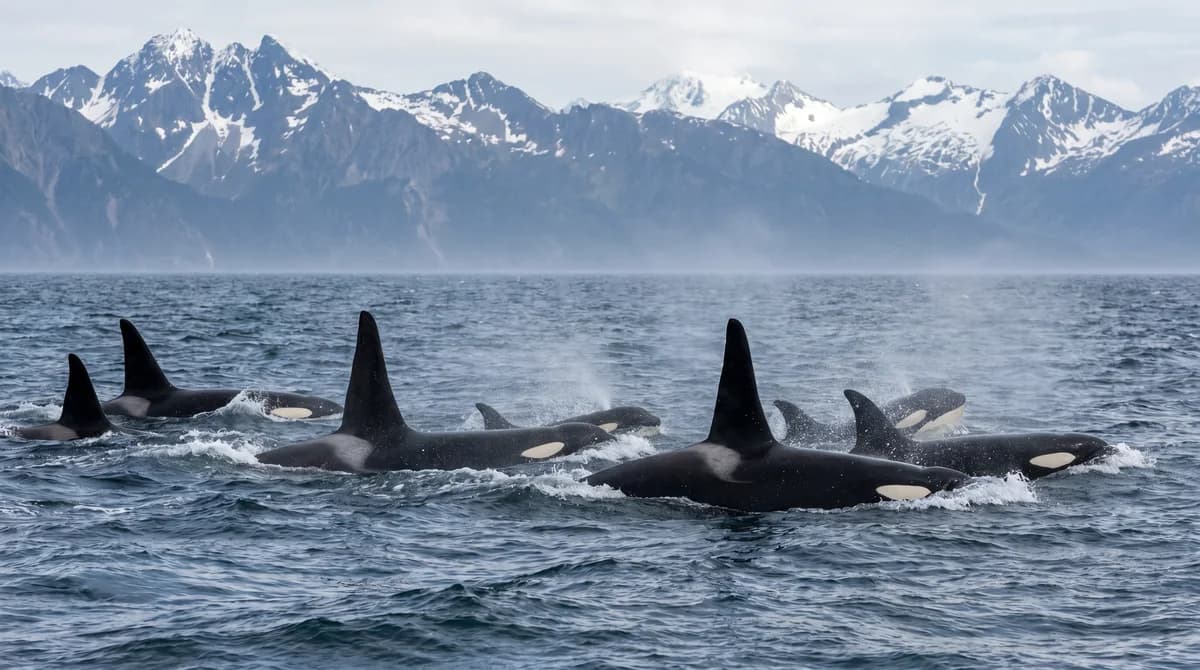
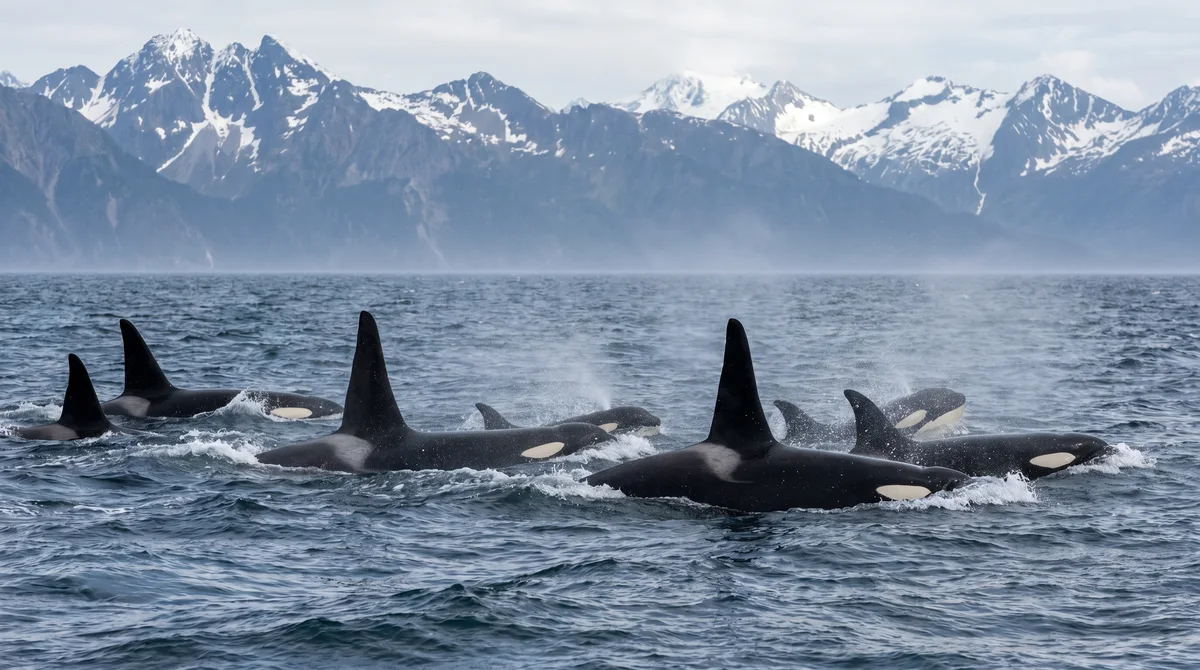
Ages 8-11: Do the baleen experiment, sort animals into mammals and fish, and draw an ocean food web from krill up to the orca.
Ages 12-14: Investigate why whales were hunted and how some are recovering, or research how echolocation works and explain it back.
Step 5: Update the myths with evidence
Ocean giants come with myths worth busting. Show that whales are not fish, that they cannot swallow a person, and that the 'spout' is breath, not a water fountain. Each time, ask "how do we know?" and check a trusted source (NOAA Fisheries — Whales). Turning a confident guess into a checked fact is the real lesson.
Step 6: Make it stick
Finish with a project: a size-comparison poster, a baleen model, or a fact file the child presents to you. Building and explaining beats memorising every time. Reputable groups like Whale and Dolphin Conservation have great free pages and whale sounds to extend the learning.
Ten quick ocean giant activities
Pick and mix — most take 10-20 minutes:
- Life-size outline — chalk a 30 m blue whale and stand inside it.
- Baleen comb — strain 'krill' from water with a comb.
- Mammal or fish? — sort sea animals into the right group.
- Whale song — listen to real humpback songs and copy them.
- Food web — link plankton, krill, fish, seals and orcas with string.
- Deep-dive race — hold your breath, then compare with a sperm whale's 90 minutes.
- Spout science — breathe on a cold mirror to see 'whale breath' mist.
- Map a migration — trace a gray whale's huge journey on a map.
- Myth busters — test a grown-up on 'can a whale swallow a person?'
- Fact file — research one ocean giant and make a poster.
Cross-curricular links
One ocean-giant topic stretches across the timetable. Maths: compare whale lengths and weights, or graph how deep different whales dive. Art: paint an underwater scene or design a whale-watching poster. Writing: write a whale's diary as it migrates. Geography: map the oceans and famous whale routes. One giant theme can carry a whole week of learning.
Misconceptions to clear up
A few gentle corrections go a long way. Whales are not fish; they do not spray seawater from their blowholes; the whale shark is a fish, not a whale; and whales do not hunt people. Each fix is a chance to model the key move: replace 'everyone says' with 'let's check the evidence.'
Ocean giant conversation starters
Spark thinking with questions like these:
- How can the biggest animal on Earth survive by eating some of the smallest?
- Whales look like fish but are mammals — what features tell them apart?
- Why might it be useful for a whale to make sounds that travel for miles?
- People once nearly hunted whales to extinction. What helped some of them recover?
Finish with a teach-back
The fastest way to lock in learning is to have the child teach it back to you. Ask them to explain why a whale is a mammal and to bust one whale myth, as if you knew nothing about it. Teaching forces them to organise their thoughts, spot any gaps, and put the science into their own words — and it makes a calm, confident finish to the whole topic.
Listen to real whale song
Few things spark wonder like the eerie, beautiful sound of a humpback whale singing. Play a recording from a trusted source and ask kids what they think the whale is 'saying,' and why a sound might need to travel for miles underwater. You can even map the song's ups and downs on paper like a piece of music. Hearing a real ocean giant turns an abstract fact into a goose-bump moment.
Play an echolocation game
Toothed whales find food in the dark using echolocation, and kids can act it out. Blindfold one child as the 'whale' and have them find a 'fish' (another child) who claps softly every few seconds — the whale homes in using only sound. Afterwards, explain that sperm whales do this with clicks in the pitch-black deep. It is a fun, active way to understand one of the ocean's cleverest senses.
A 'mammal or fish?' detective game
Make classifying hands-on. Show pictures of a whale, a shark, a dolphin, a whale shark and a tuna, and have kids sort them into mammals and fish using clues: Does it breathe air? Does it feed its babies milk? Is its tail up-and-down (mammal) or side-to-side (fish)? They will discover that the whale shark is a fish and the dolphin is a mammal — and that looks can fool you, but features do not.
Take a virtual whale-watch
You cannot always get to the sea, but you can bring the sea to the screen. Reputable aquariums and research groups post short, accurate clips of whales feeding, breaching and migrating. Watch a few minutes actively: give each child a job — count the blows, spot a fluke, time a dive. Turning passive watching into a mini-observation task keeps it scientific and sharp, rather than just background telly.
Why ocean giants are a great science topic
Whales are a teacher's gift because they pack so much science into animals kids already love. Their bodies teach adaptation (blubber, blowholes, filter feeding); sorting them teaches classifying (mammal versus fish); and their myths teach critical thinking (can a whale really swallow a person?). Master those three skills with ocean giants and kids carry them to every other animal they meet.
A done-for-you ocean giants lesson: Wild World: Ocean Giants
15 pages of facts, a Myth-Busters spread, a draw-along and a quiz — built for ages 8-14. Read a free sample before you buy.
Start with the facts: 24 ocean giant facts for kids.
Sources and further reading
Facts in this article were checked against the public, expert sources above. Spotted something out of date? Tell us and we will fix it.
Frequently Asked Questions
What age can kids learn about ocean giants?
Any age — match the depth. Young children love the sheer size and whale sounds; kids 8-14 enjoy mammal-versus-fish classifying, how filter feeding works, food webs, and conservation.
How do I show how big a blue whale is?
Use chalk or a tape measure to mark out 30 metres on a playground or path, then have kids walk its length or lie head-to-toe along it. Turning the number into a real distance makes the size unforgettable.
What is a good baleen experiment?
Stir pepper or herbs into a bowl of water, then drag a comb through it. The comb traps the bits while the water flows through, just like a baleen whale straining tiny krill from a mouthful of seawater.
How do ocean giants teach science skills?
They are perfect for classifying (mammal vs fish, baleen vs toothed), for understanding adaptation (blubber, blowholes, filter feeding), and for critical thinking, like checking whether a whale could swallow a person.
Where can kids learn more about ocean giants?
Reputable sources like NOAA Fisheries, Whale and Dolphin Conservation and Smithsonian Ocean have excellent whale pages, and you can read a free sample of our Wild World: Ocean Giants magazine online.
Try our free critical thinking games!
Fun, colorful brain-building games for kids ages 6-14. No signup required.
Play Now