How to Teach Kids About Savanna Giants: Activities and a Free Lesson
Key Takeaways
- ✓Start with wonder — a 40,000-muscle trunk and a 5.5-metre giraffe instantly grab kids.
- ✓Measure out a giraffe's height to turn a number into something kids can really see.
- ✓Use savanna giants to teach adaptation, food sharing, and how elephants shape ecosystems.
- ✓Bust the mouse myth to practise telling an anecdote from real evidence.
- ✓Match activities to age: size and movement play for young kids; food webs and conservation for older ones.
A simple, mostly screen-free way to teach kids about elephants, giraffes and other savanna giants — a 15-minute lesson, hands-on activities by age, a giraffe height-measuring activity, conversation starters and a magazine that builds real science skills.
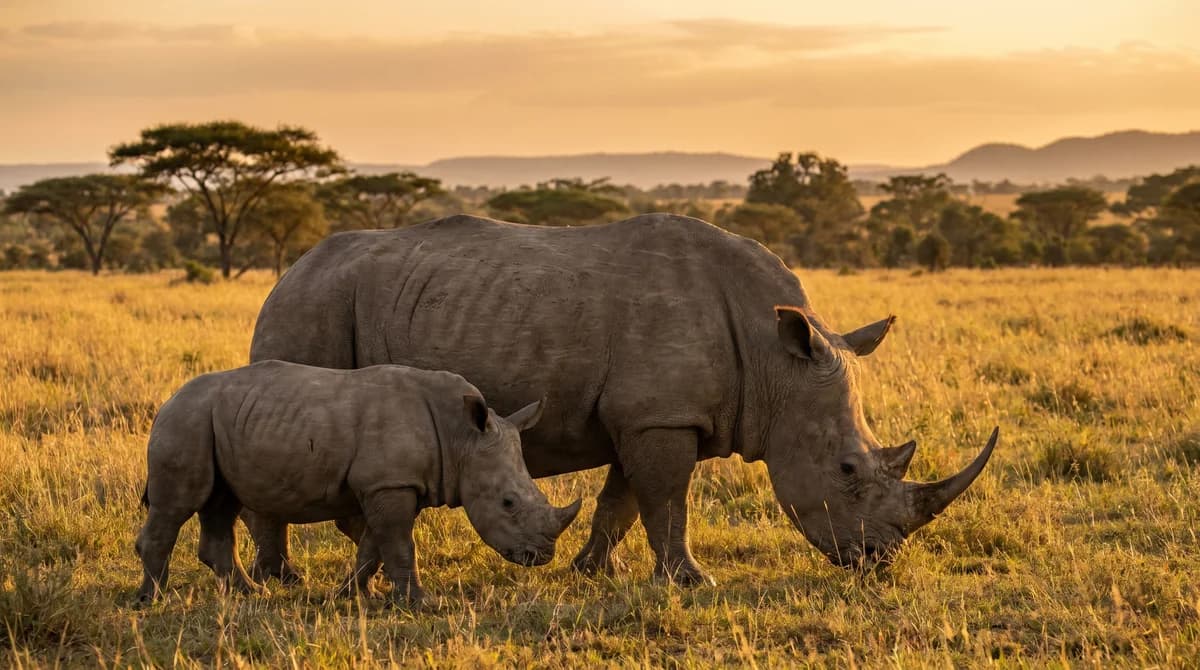
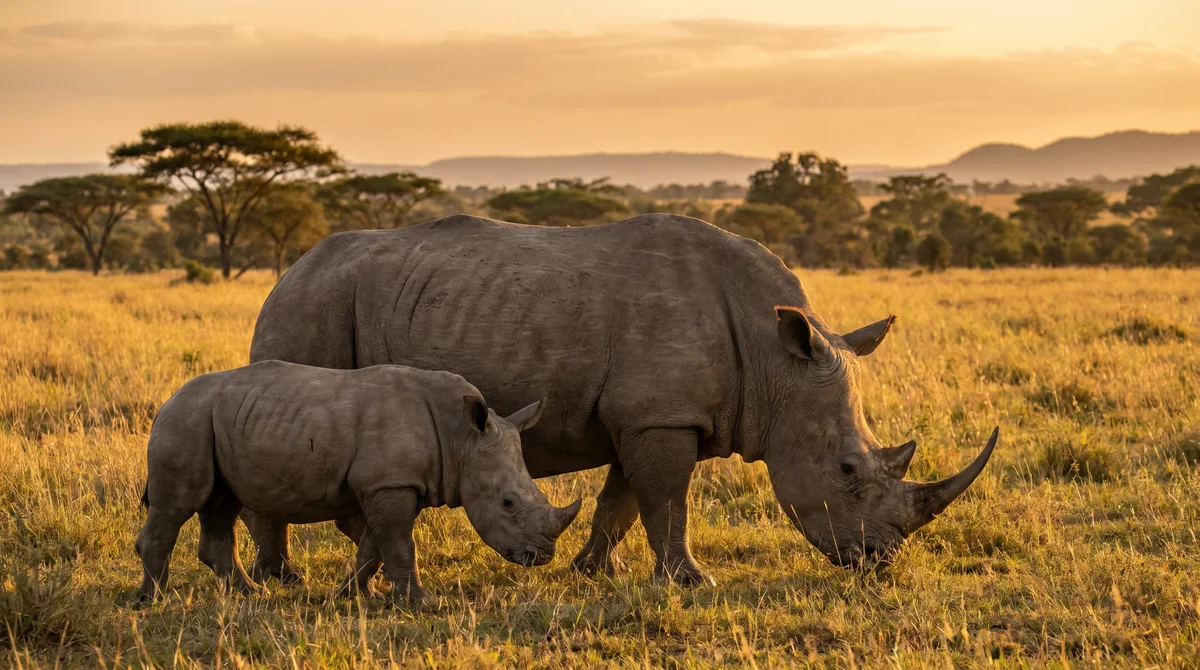
Elephants, giraffes and rhinos are pure wonder for kids — the biggest, tallest and most powerful animals on land. Best of all, savanna giants are perfect for teaching adaptation (how a body fits its job) and ecosystems (how one animal shapes a whole landscape). Here is a simple, mostly screen-free way to teach kids about savanna giants, with a quick lesson and age-by-age activities.
Last updated 7 June 2026
Step 1: Start with wonder
Open with something jaw-dropping: an elephant's trunk has around 40,000 muscles, a giraffe is tall enough to look into an upstairs window, and a rhino's horn is made of the same stuff as your fingernails. Wonder grabs attention far better than a list of names — and it makes kids want to ask how and why these giants got so extraordinary.
A free 15-minute savanna lesson
Works at the table or in class:
- Wonder (3 min): Share two giant facts and ask, "Why might it help an animal to be this big or tall?"
- Facts (5 min): Read about one giant together (try our savanna giant facts for kids).
- Think (4 min): Ask, "Are elephants really afraid of mice?" and weigh the evidence (see this post).
- Create (3 min): Draw a giant and label one feature that helps it survive.
Step 2: Measure a giraffe
This activity makes a giraffe's size real. Take a tape measure and a long ribbon outside and mark off 5.5 metres up a wall, a tree or a drainpipe. Then have children stand against it and work out how many of them, stacked up, would equal one giraffe. Suddenly 'the tallest animal' is not just words — it is a height they can stand under and crane their necks at. Numbers turn into awe.
Step 3: The elephant trunk challenge
Show how amazing a trunk is by trying to do its job. Have a child slip a long sock over one arm and try to pick up objects with it — a cup, a coin, a soft toy — using only that floppy 'trunk.' It is trickier than it looks! Then explain that a real trunk has around 40,000 muscles, which is why an elephant can rip up a tree and pick up a single blade of grass. The struggle makes the fact stick.
Step 4: Activities by age
Ages 4-7: Compare your height to a giraffe's, stomp like elephants, and match each giant to its food (grass or leaves).
Ages 8-11: Sort giants into grazers and browsers, build a savanna food web, and make a fact file on a favourite giant.
Ages 12-14: Investigate how elephants shape the savanna as 'ecosystem engineers,' or research rhino poaching and design a way to help.
Step 5: Update the myths with evidence
Savanna giants come with myths worth busting. Show that elephants are not specially afraid of mice (but really do avoid bees), that rhino horn is not magic medicine, and that elephants cannot jump. Each time, ask "how do we know?" and check a trusted source (African Wildlife Foundation). Swapping a famous story for the evidence is the heart of the lesson.
Step 6: Make it stick
Finish with a project: a height-comparison chart, a 'giants of the savanna' poster, or a fact file the child presents to you. Building and explaining beats memorising every time. Reputable groups like the Save the Elephants have great free pages to extend the learning.
Ten quick savanna activities
Pick and mix — most take 10-20 minutes:
- Giraffe height — measure 5.5 m and count how many kids tall it is.
- Trunk challenge — pick things up with a sock 'trunk.'
- Grazer or browser? — sort giants by whether they eat grass or leaves.
- Food web — link grass, trees, giants and the land they shape.
- Big ears — fan paper 'elephant ears' and feel the cooling breeze.
- Keratin check — compare a rhino's horn to your own fingernails.
- Map it — find the African savanna on a world map.
- Bee fence — design a beehive fence to protect a farm from elephants.
- Myth busters — test a grown-up on 'are elephants afraid of mice?'
- Fact file — research one savanna giant and make a poster.
Cross-curricular links
One savanna topic stretches across the timetable. Maths: compare heights and weights, or graph how much an elephant eats. Art: paint a golden savanna or design a patterned giraffe coat. Writing: write a day in the life of a matriarch elephant. Geography: locate Africa's grasslands and their seasons. One giant theme can carry a whole week of learning.
Misconceptions to clear up
A few gentle corrections go a long way. Elephants are not specially afraid of mice; rhino horn is not medicine; a giraffe's neck does not have extra bones; and hippos cannot really swim. Each fix models the key move: replace 'everyone says' with 'let's check the evidence.'
Savanna conversation starters
Spark thinking with questions like these:
- Why might a long neck be worth the trouble for a giraffe?
- How could one animal, like the elephant, change a whole landscape?
- People say elephants fear mice — how could we actually test that?
- Why do you think different giants eat at different heights?
Finish with a teach-back
The fastest way to lock in learning is to have the child teach it back to you. Ask them to explain how an elephant uses its trunk and to bust one savanna myth, as if you knew nothing about it. Teaching forces them to organise their thoughts, spot any gaps, and put the science into their own words — and it makes a calm, confident finish to the whole topic.
Try an elephant-ear cooling test
Show how an elephant's ears work as air conditioning. Have a child stand still until warm, then fan them with a big piece of card (an 'ear'). They feel the cooling straight away. Explain that an elephant's ears are full of blood vessels, so flapping them releases body heat into the air — which is why elephants in the hottest places have the biggest ears. A simple fan turns a fact into a feeling.
Play a grazer-or-browser sorting game
Make sharing the savanna click with a sorting game. On cards, put savanna giants and their foods, then have kids sort each animal as a grazer (eats grass low down, like the white rhino and hippo) or a browser (eats leaves up high, like the giraffe and black rhino). Talk about how feeding at different heights lets so many big animals live side by side. It is classifying and ecology rolled into one quick activity.
Bring in a conservation challenge
Channel kids' love of giants into a real problem. Explain that elephants sometimes raid farms, and that shooting them is not the answer. Then challenge kids to invent a peaceful solution — before revealing the clever real one, the beehive fence. Comparing their ideas with what scientists actually did shows that knowing animal facts (elephants fear bees) can solve real-world problems without harming anyone. Science with a purpose sticks.
Why savanna giants are a great science topic
Savanna giants are a teacher's dream because they pack big ideas into animals kids adore. Their bodies teach adaptation (trunks, ears, long necks); the way they share food teaches ecology; elephants reshaping the land teaches ecosystems; and the mouse myth teaches critical thinking. Master those with savanna giants and kids carry the same lenses to every habitat they meet next.
A done-for-you savanna lesson: Wild World: Savanna Giants
15 pages of facts, a Myth-Busters spread, a draw-along and a quiz — built for ages 8-14. Read a free sample before you buy.
Start with the facts: 24 savanna giant facts for kids.
Sources and further reading
Facts in this article were checked against the public, expert sources above. Spotted something out of date? Tell us and we will fix it.
Frequently Asked Questions
What age can kids learn about savanna giants?
Any age — match the depth. Young children love the sizes and the elephant trunk; kids 8-14 enjoy adaptation, how giants share food, ecosystem engineering, conservation and busting the mouse myth.
How can I show how tall a giraffe is?
Measure 5.5 metres up a wall or tree with a tape and a long ribbon, then mark how many children tall that is. Turning the number into a real height makes a giraffe's size unforgettable.
What are good savanna activities at home?
Measure a giraffe's height, try picking things up with a 'trunk' (a sock on an arm), sort grazers from browsers, build a savanna food web, or research one giant and make a fact file.
How do savanna giants teach science skills?
They are perfect for adaptation (trunks, ears, necks), for ecosystems (how elephants shape the land and giants share food), and for critical thinking, like testing whether elephants really fear mice.
Where can kids learn more about savanna giants?
Reputable sources like the African Wildlife Foundation, Save the Elephants and National Geographic Kids have excellent pages, and you can read a free sample of our Wild World: Savanna Giants magazine online.
Try our free critical thinking games!
Fun, colorful brain-building games for kids ages 6-14. No signup required.
Play Now