Weird Animal Facts for Kids: 24 of the Strangest Creatures on Earth
Key Takeaways
- ✓An axolotl can regrow lost legs, its tail, and even parts of its heart and brain.
- ✓The platypus is a mammal that lays eggs, has a duck-like bill, and senses electricity.
- ✓The tiny tardigrade can survive being frozen, boiled, dried out, and even the vacuum of space.
- ✓Many 'weird' animals have superpowers that scientists study to help people.
- ✓Being weird usually means being brilliantly adapted — every odd feature solves a problem.
Fact-checked weird animal facts for curious kids: the axolotl that regrows body parts, the egg-laying platypus, the tardigrade that survives space, and why 'weird' really means brilliantly adapted — grouped so you can find your favourites fast.
Nature is far stranger than anything we could invent. There are animals that regrow their own legs, a mammal that lays eggs and senses electricity, and a creature so tough it can survive in outer space. These weird and wonderful animals are not mistakes — they are some of evolution's most brilliant ideas. Here are 24 fact-checked weird animal facts for curious kids, grouped so you can find your favourites fast.
Last updated 7 June 2026
What makes an animal 'weird'?
An animal usually seems 'weird' to us when it has a feature far outside what we expect — glowing in the dark, regrowing body parts, or living somewhere impossible. But here is the secret: those strange features are nearly always brilliant adaptations, finely tuned answers to the challenges of the animal's life. 'Weird,' in nature, is really another word for amazingly well suited to survive (Natural History Museum).
The axolotl: the animal that never grows up
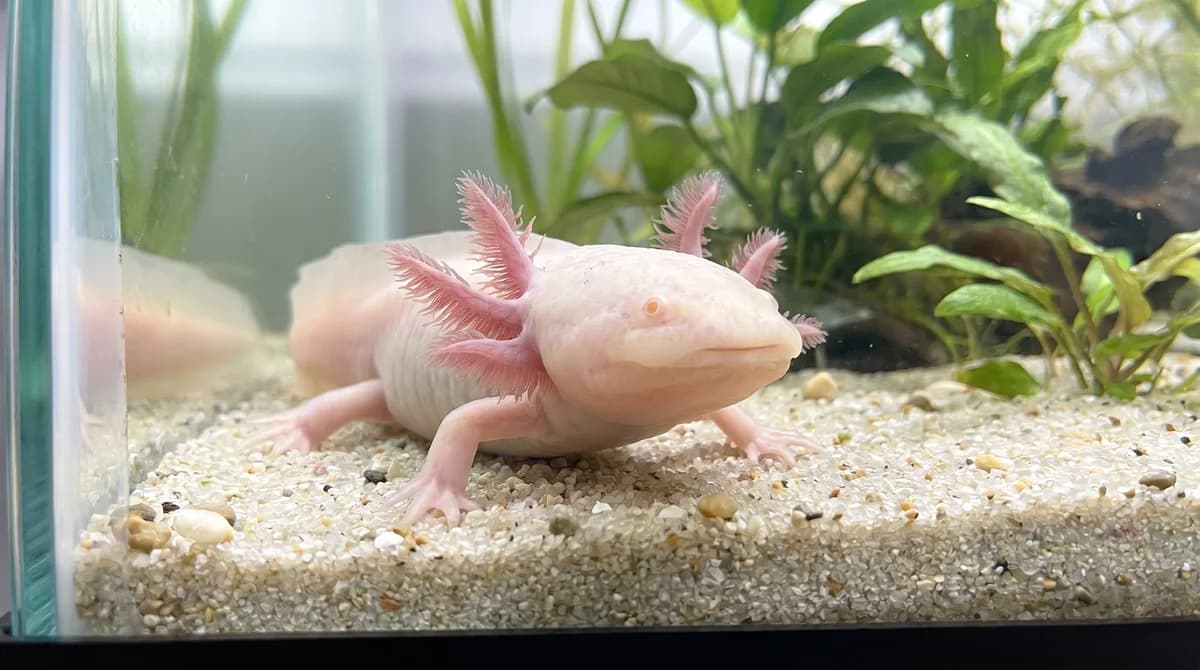
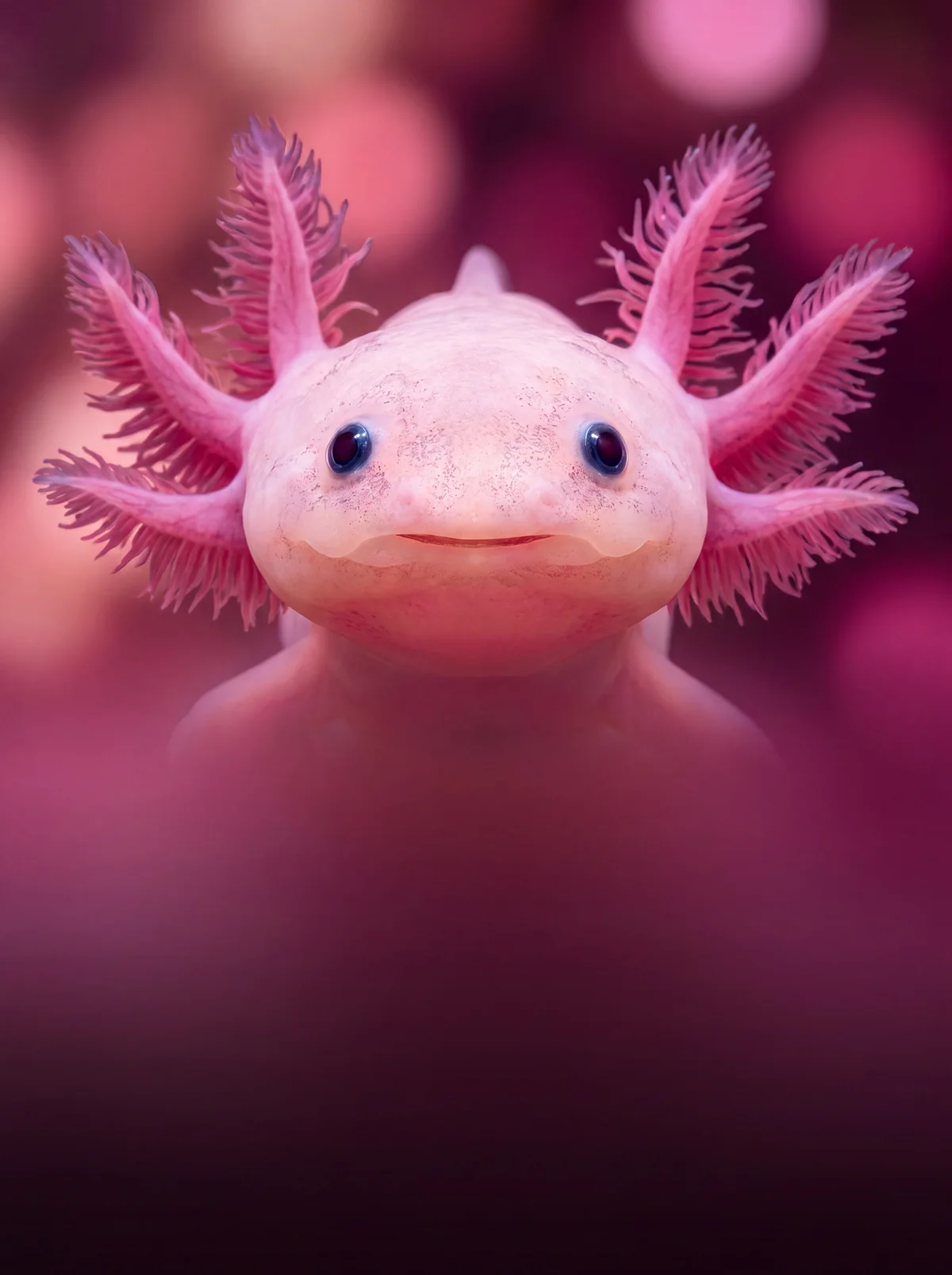
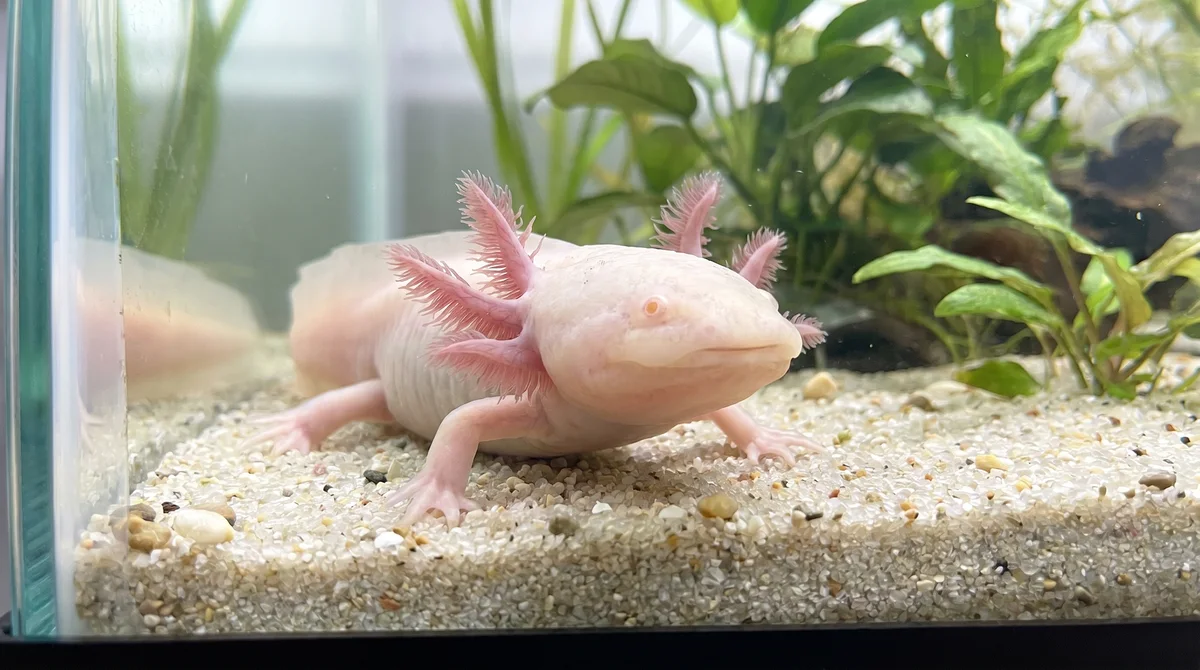
The axolotl is a salamander with a permanent baby face. Most amphibians change shape as they grow, but the axolotl keeps its feathery gills and watery lifestyle for its whole life — a trick called neoteny, or staying young. With its frilly gills and what looks like a constant smile, it is one of the most charming oddities in the animal kingdom — and it has an even more astonishing superpower.
Super-healing: regrowing body parts
If an axolotl loses a leg, it simply grows a new one — perfectly formed, with no scar. It can regrow its tail, parts of its heart, and even bits of its brain and spinal cord. No other animal with a backbone heals quite this well. Scientists around the world study the axolotl, hoping its secrets might one day help humans heal serious injuries. A 'weird' animal could lead to real medical breakthroughs.
The platypus: a mix-and-match mammal
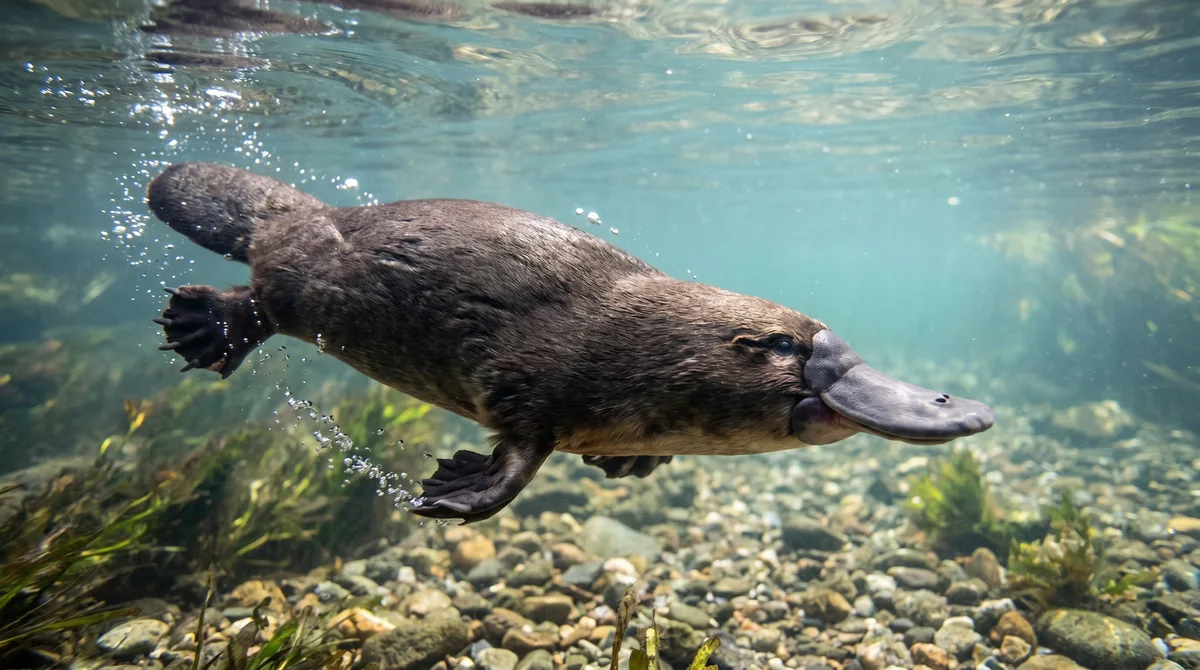
The platypus looks like it was assembled from spare parts: a duck-like bill, a beaver-like tail, otter-like fur and webbed feet. It is a mammal, yet it lays eggs. Males even have a venomous spur on each back ankle. When the first platypus specimen reached Europe, scientists were sure it was a hoax — a story so good we gave it its own article (Australian Museum).
Weird animals by the numbers
- Best healer: Axolotl (regrows limbs and organs)
- Egg-laying mammal: Platypus (a monotreme)
- Toughest animal: Tardigrade (survives space)
- Most colour-changing: Chameleon
- Strangest mammal society: Naked mole-rat (lives like ants)
- Weird really means: Brilliantly adapted
Animals with extra senses
Some animals experience a world we cannot even imagine. The platypus hunts with its eyes, ears and nose shut, using its bill to detect the tiny electric signals made by its prey's muscles — a sense called electroreception that sharks have too. Other animals sense the Earth's magnetic field to navigate, and some snakes 'see' the body heat of prey in total darkness. There are more ways to sense the world than our five senses suggest.
The tardigrade: the toughest animal alive
Meet the tardigrade, or 'water bear' — a chubby, eight-legged creature smaller than a grain of sand, and possibly the toughest animal on Earth. It can survive being frozen near absolute zero, boiled, dried out for years, blasted with radiation, and even the vacuum of space. Its trick is to curl up and shut its body almost completely down, then spring back to life when conditions improve. Astonishing power in a tiny package.
The chameleon: a living kaleidoscope
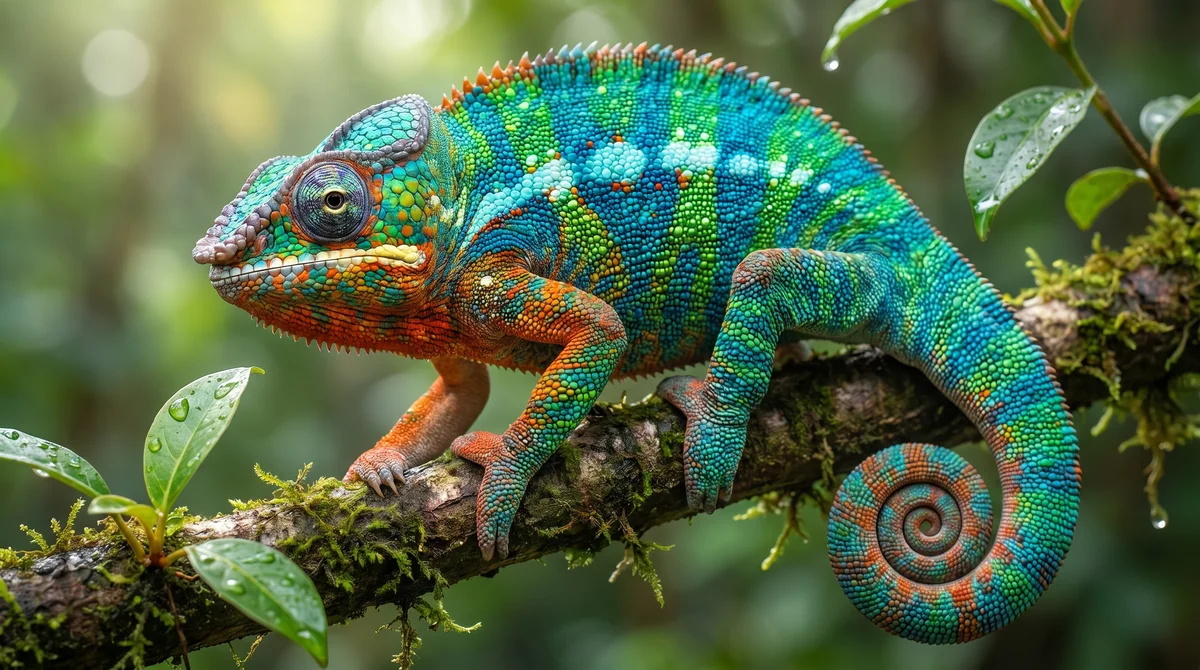
The chameleon is a bundle of strange talents. Its two eyes swivel independently, so it can look forwards and backwards at the same time. Its tongue can shoot out faster than the blink of an eye to snatch insects. And it changes colour — not mainly to hide, but to show its mood and temperature and to signal to other chameleons. Add gripping feet and a curling tail, and you have a true one-of-a-kind reptile.
The naked mole-rat: the weirdest mammal of all
The naked mole-rat breaks almost every mammal rule. These wrinkly, nearly hairless rodents live underground in big colonies ruled by a single queen — more like ants or bees than mammals. They barely feel certain kinds of pain, are remarkably resistant to cancer, can survive with very little oxygen, and live far longer than other rodents their size. Scientists study them to learn about health and ageing.
Oddballs of the deep sea
The deep ocean is a factory of weirdness. The anglerfish dangles a glowing lure made by living bacteria to tempt prey close in the dark. The leafy seadragon is a fish disguised so perfectly as drifting seaweed that it almost vanishes. There are squid with one giant eye and one small one, and fish with see-through heads. Where it is darkest and strangest, evolution gets most creative of all.
Why 'weird' really means 'well-adapted'
Here is the big idea behind every strange animal: each odd feature solves a problem. The anglerfish's lure finds food in the dark; the axolotl's healing repairs damage; the tardigrade's shutdown survives the impossible. Once you ask 'what is this weird thing for?', the strangeness turns into clever design. Learning to see the purpose behind a peculiar feature is one of the most satisfying skills in all of biology.
Weird animals and big science
Strange animals are not just fun — they push science forward. Researchers study the axolotl to understand healing, the tardigrade to learn how life might survive space travel or how to store medicines without a fridge, and the naked mole-rat to explore cancer and long life. Each unusual creature is like a natural experiment, holding answers to questions we did not even know how to ask (Natural History Museum).
Weird, wonderful and worth protecting
Many of these one-of-a-kind animals are in trouble. The axolotl is critically endangered in its only wild home, the canals of Mexico City, even though thousands live in tanks worldwide. When a unique animal disappears, we lose not only a wonder but every secret it could have taught us. That is why protecting the planet's oddballs matters just as much as protecting its famous giants (IUCN Red List of Threatened Species).
Did scientists really think the platypus was fake?
When the very first platypus arrived in Britain, expert scientists were convinced it had to be a hoax — a trick stitched together from other animals. The story of how they were proved wrong is one of the best science tales there is. Read it in did scientists really think the platypus was a hoax?
Weird animals closer than you think
You do not need a rainforest or a deep-sea submarine to meet weird animals — some live in your own garden. An earthworm can regrow part of its body if it is damaged. A garden snail carries thousands of microscopic teeth on its tongue. A woodlouse is actually a land-living relative of crabs and lobsters, breathing through gill-like parts. Look closely at the small creatures around you and the everyday world turns out to be wonderfully strange.
Could a weird animal survive on another planet?
Here is a thought that thrills scientists: the toughest Earth animals might cope with conditions on other worlds. The tardigrade has already survived being exposed to the vacuum and radiation of space on the outside of a spacecraft. Studying how it shuts its body down helps researchers imagine what alien life might be like, and even how astronauts and medicines could survive harsh journeys. A creature smaller than a full stop is helping us explore the universe (Natural History Museum).
Get gloriously weird with Wild World: Weird and Wonderful
Our 15-page science magazine for ages 8-14 celebrates the strangest animals on Earth — axolotls, platypuses, tardigrades and more, plus a Myth-Busters spread, puzzles and a draw-along.
Ready to teach it? See how to teach kids about weird and wonderful animals.
Sources and further reading
Facts in this article were checked against the public, expert sources above. Spotted something out of date? Tell us and we will fix it.
Frequently Asked Questions
What is the weirdest animal in the world?
There are lots of contenders! Favourites include the axolotl (which regrows body parts), the platypus (a mammal that lays eggs and senses electricity), the tardigrade (which survives space), and the naked mole-rat (which barely feels some pain).
Can an axolotl really regrow body parts?
Yes. An axolotl can regrow a lost leg, its tail, and even parts of its heart and brain, with no scar. Scientists study this amazing healing power hoping to one day help humans heal better too.
Is the platypus a mammal?
Yes, but a very unusual one. The platypus is a mammal that lays eggs instead of giving birth, has a duck-like bill, webbed feet, and even venom. It belongs to a tiny group of egg-laying mammals called monotremes.
What animal can survive in space?
The tardigrade, also called a water bear. This microscopic animal can survive being frozen, boiled, dried out for years, blasted with radiation, and even exposed to the vacuum of space, by shutting its body almost completely down.
Why are some animals so weird?
Because 'weird' usually means brilliantly adapted. Each strange feature, from glowing lures to regrowing limbs, is an answer to a problem in that animal's life, like finding food, escaping danger or surviving harsh places.
Are weird animals endangered?
Some are. The axolotl, for example, is critically endangered in the wild in Mexico, even though many live in aquariums and labs. Protecting unusual animals matters because each one is irreplaceable and teaches us new science.
Try our free critical thinking games!
Fun, colorful brain-building games for kids ages 6-14. No signup required.
Play Now