Did Scientists Really Think the Platypus Was a Hoax? The True Story
Key Takeaways
- ✓When the first platypus reached Britain in 1799, scientists really did suspect it was a fake.
- ✓They thought someone had stitched a duck's bill onto a furry animal, because fake creatures were common then.
- ✓Scientists checked carefully for stitches and, finding none, slowly accepted the platypus was real.
- ✓It later turned out to be even stranger — a mammal that lays eggs and senses electricity.
- ✓The story shows a good balance: be sceptical of extraordinary claims, but follow the evidence.
Did scientists think the platypus was fake? A fact-checked, kid-friendly true story: why experts thought the first platypus was a hoax, how they checked, and what this teaches us about weighing extraordinary claims.
Short answer: yes — they really did! When the first platypus arrived in Britain over 200 years ago, some of the cleverest scientists of the day were convinced it had to be a fake. The true story of how they changed their minds is one of the best lessons in clear thinking you will ever find.
Last updated 7 June 2026
A very strange parcel
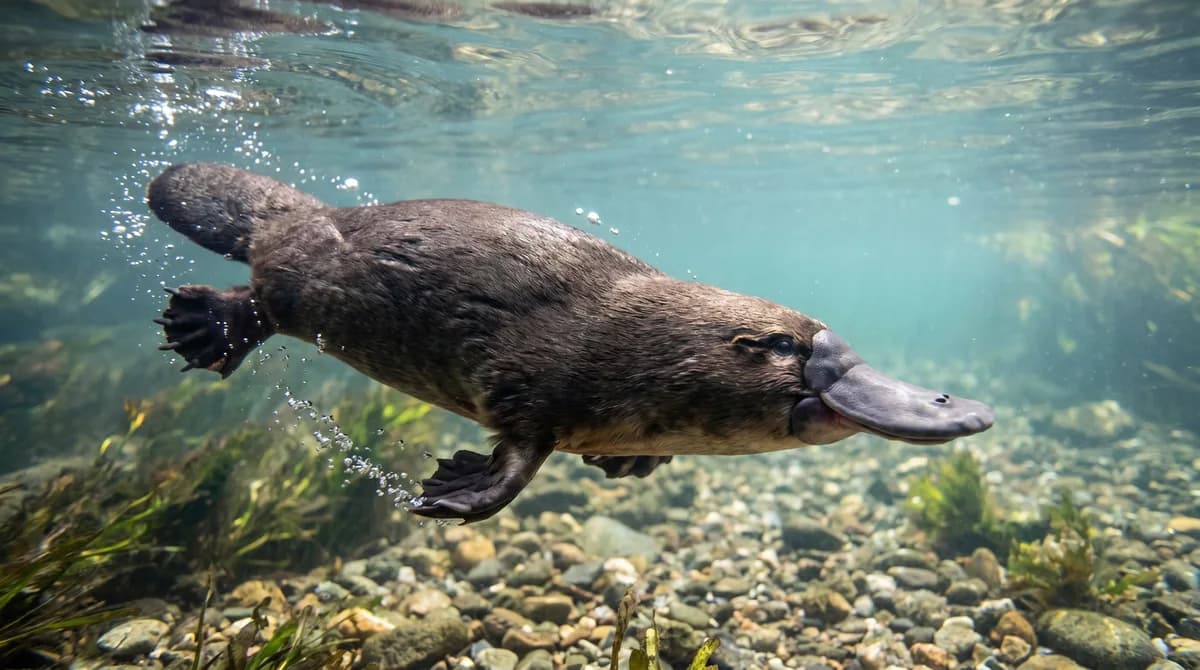
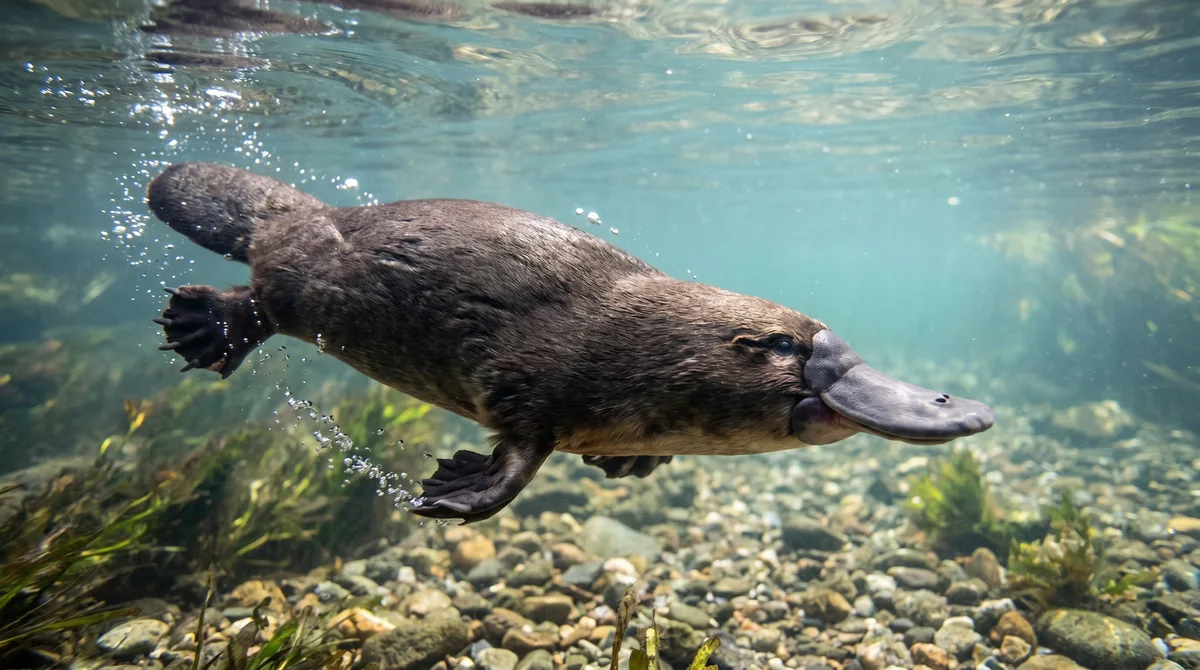
In 1799, a dried animal skin arrived in England from the faraway colony of Australia, and it baffled everyone. It had the flat bill of a duck, the fur and body of a small furry animal, webbed feet and a flat tail. No known creature combined those features. To the experts examining it, the most sensible first thought was not 'amazing new animal' — it was 'somebody is trying to trick us' (Australian Museum).
Why they were so suspicious
Their suspicion was actually reasonable. In those days, skilled tricksters really did stitch together fake animals to sell or show off — most famously fake 'mermaids' made by sewing a monkey's top half onto a fish's tail. So when a creature turned up looking like a duck's bill attached to a mole, an educated guess was that a clever taxidermist in Asia had sewn it together. Being cautious about an unbelievable object was the smart starting point.
How they checked
This is the brilliant part: they did not just argue — they investigated. One scientist, George Shaw, reportedly took scissors to the bill, searching for the stitches that would prove it was sewn on. He found none. As more and more specimens arrived from Australia, along with reports from people who had seen the animal alive, the evidence kept pointing the same way. Slowly, scepticism gave way to an astonishing truth: the platypus was real.
Extraordinary claims need strong evidence
The platypus is a perfect example of a key thinking rule: the more surprising a claim, the stronger the evidence we should want before believing it. 'A furry, egg-laying, duck-billed mammal exists' was an extraordinary claim, so it was right to ask for proof rather than believe it instantly. Demanding good evidence is not being mean or closed-minded — it is exactly how careful thinkers avoid being fooled.
The platypus kept on surprising
Even after it was accepted as real, the platypus had more shocks in store. For decades, scientists argued about whether a mammal could possibly lay eggs — until it was finally confirmed in 1884 that it does. Later still, they discovered its bill can sense the faint electricity made by its prey, and that males carry venom. Each time, the animal turned out to be even stranger than anyone had dared to guess.
Being wrong is part of science
Here is the reassuring lesson: the scientists who doubted the platypus were not foolish — they were being careful, and when the evidence arrived, they changed their minds. That is science working exactly as it should. Good thinkers are allowed to start out doubtful and then update their beliefs when the facts come in. Changing your mind in the face of evidence is a strength, not a weakness.
Other 'too weird to be real' animals
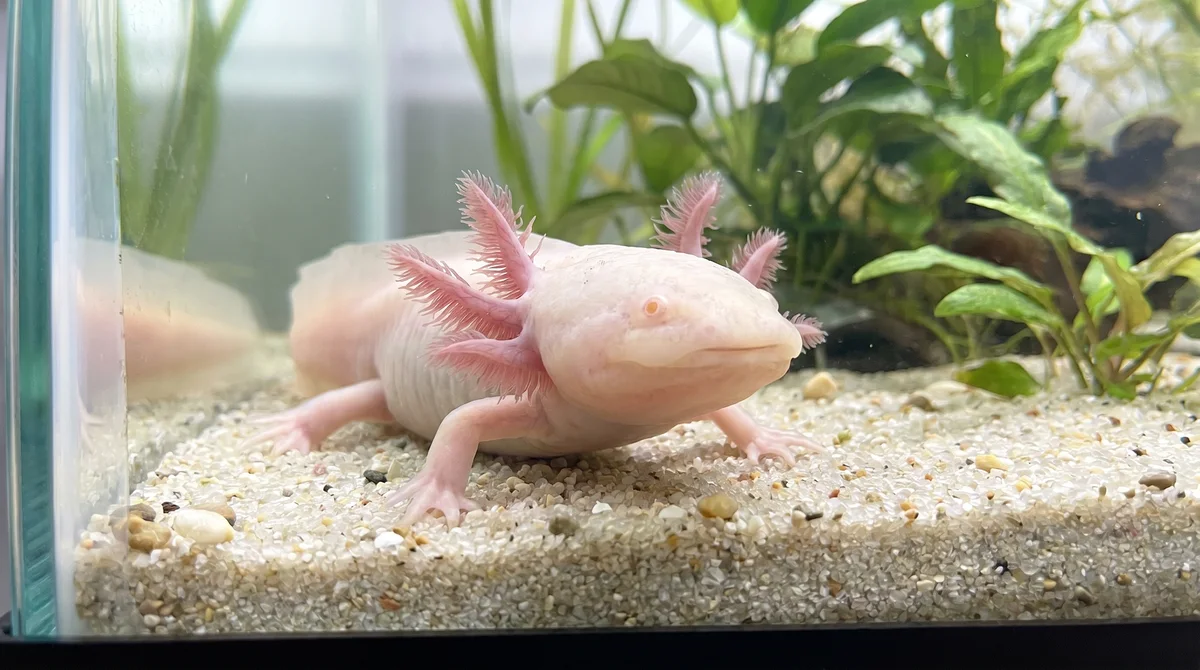
The platypus is not the only animal that sounds made-up. The axolotl regrows its own legs; the tardigrade survives outer space; the naked mole-rat lives like an insect and barely feels some pain. If you had described any of these before they were studied, you might have been accused of inventing them — yet every one is real. Nature, it turns out, is a far bolder inventor than we are.
How to weigh an extraordinary claim today
You can handle a wild claim like a scientist. Check the source: is it trustworthy, or just a viral post? Ask for evidence: photos, studies, expert agreement, things others can check. Look for the 'too good' signs: does it seem designed to amaze or fool? And stay open: remember the platypus, and do not dismiss something just because it is surprising. Balance is everything.
Balancing wonder and doubt
The real magic of the platypus story is the balance it teaches. If the scientists had been too trusting, they would have believed every fake animal going. If they had been too stubborn, they would have rejected a genuine marvel. Good thinking lives in the middle: curious enough to take a surprising idea seriously, and careful enough to ask for evidence first. That balance serves you for life.
Think like a scientist
The platypus is the perfect critical-thinking story because everyone in it behaved sensibly: doubting an unbelievable object, testing it, and then accepting the truth once the evidence was clear. Next time you meet a claim that sounds impossible, channel those scientists — neither swallow it whole nor laugh it off, but ask, 'where is the evidence, and what does it show?' That single question is the heart of science.
What the platypus actually is
So if it is not a hoax, what is a platypus? It belongs to a tiny, special group of mammals called monotremes — the only mammals that lay eggs. The just four kinds of echidna are the platypus's only close relatives. Monotremes are like a living window into the deep past, showing a stage when the ancestors of mammals had not yet started giving birth to live young. The platypus is not a mistake; it is a rare survivor.
Why the platypus broke the rules
Part of why scientists struggled is that the platypus broke a rule everyone trusted: 'mammals give birth to live babies.' The platypus has fur and makes milk like a mammal, yet it lays eggs like a reptile or bird. When a new animal breaks a rule that has always held true, scientists face a choice — decide the animal is fake, or accept that the rule needs rewriting. In the end, the platypus rewrote the rule.
When fake animals were big business
It helps to remember the world the platypus arrived into. Back then, crafty makers really did stitch together fake creatures to amaze and trick people — the most famous being 'mermaids' built from a monkey's body sewn to a fish's tail, which were shown to paying crowds. With convincing fakes doing the rounds, treating a duck-billed, egg-laying 'mammal' with suspicion was not silly at all. It was sensible caution in a world full of tricks.
How long it took to be sure
Accepting the platypus did not happen overnight. Even once scientists agreed the animal was real, they argued for decades about whether it truly laid eggs. The matter was only settled in 1884, when a researcher in Australia confirmed it and sent the news racing back to Britain by telegram. Good science is often slow and careful like this — it waits for solid proof rather than rushing to a thrilling conclusion.
The same lesson works online today
The platypus story is more useful now than ever. Today, computers can create fake photos, videos and even 'animals' that look completely real — modern versions of the stitched-together mermaid. The platypus reminds us to do both things at once: stay sceptical of amazing claims and ask for evidence, while staying open to the fact that the real world sometimes is that astonishing. That balance protects you from fakes without making you dismiss genuine wonders.
The takeaway
The doubters of 1799 are often laughed at, but they actually did something admirable: faced with an unbelievable object, they investigated instead of guessing, and updated their view when the evidence arrived. That is the whole game. Whether you are looking at a strange animal or a viral video, the winning move is the same — neither believe blindly nor scoff blindly, but follow where the evidence leads.
Bust more myths in Wild World: Weird and Wonderful
The issue's Myth-Busters spread weighs the strangest animal claims against the evidence — with axolotls, platypuses, puzzles and a quiz, for ages 8-14.
Want the fun facts too? Read 24 weird animal facts for kids.
Sources and further reading
Facts in this article were checked against the public, expert sources above. Spotted something out of date? Tell us and we will fix it.
Frequently Asked Questions
Did scientists think the platypus was a hoax?
Yes. When the first platypus specimen reached Britain in 1799, leading scientists suspected it was a fake, because it looked like a duck's bill had been sewn onto a furry, four-legged animal.
Why did they think it was fake?
Because it combined features no known mammal had, and because at the time skilled tricksters really did stitch together fake animals, like fake 'mermaids', to fool people. The platypus seemed too strange to be real.
How did they find out it was real?
Scientists examined the specimen for stitches or scissor marks and found none. As more specimens and observations arrived from Australia, the evidence built up until experts had to accept the platypus was genuine.
Does the platypus really lay eggs?
Yes. The platypus is a mammal that lays eggs, which was only confirmed by scientists in 1884. It belongs to a small group of egg-laying mammals called monotremes, along with the echidna.
What can we learn from the platypus story?
It teaches a balance: it is sensible to be cautious about extraordinary claims and ask for strong evidence, but we must also be willing to change our minds when the evidence shows that something surprising is true.
What is an 'extraordinary claim'?
It is a claim that goes against what we already know, so it needs especially strong evidence before we believe it. 'A mammal that lays eggs' was extraordinary, so scientists rightly wanted solid proof first.
Try our free critical thinking games!
Fun, colorful brain-building games for kids ages 6-14. No signup required.
Play Now