Is a Spider an Insect? The Clear Answer for Kids
Key Takeaways
- ✓No — a spider is not an insect. It is an arachnid.
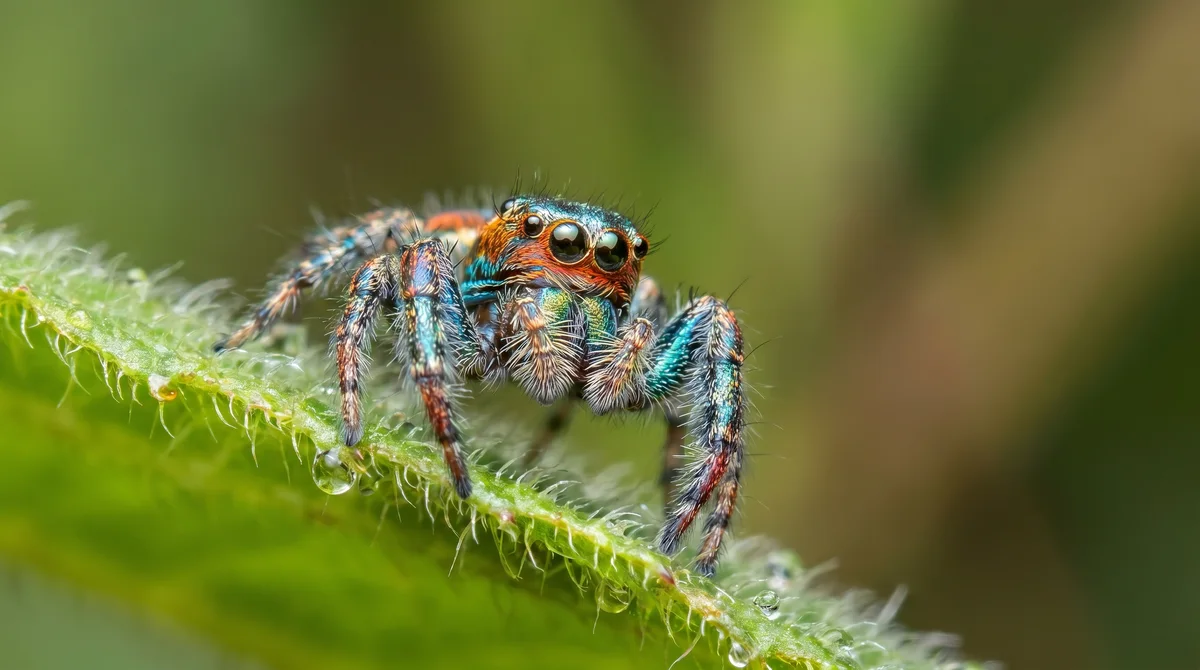
- ✓Insects have 6 legs and 3 body parts; spiders have 8 legs and 2 body parts.
- ✓Spiders have no antennae and no wings, and most make silk — unlike insects.
- ✓Other 'bugs' that aren't insects include woodlice (crustaceans) and centipedes (myriapods).
- ✓Sorting animals by checkable features (not just calling everything a 'bug') is a key science skill.
Is a spider an insect? A fact-checked, kid-friendly answer: why spiders are arachnids not insects, how to tell the difference, and which other 'bugs' aren't insects either.
Short answer: no — a spider is not an insect. A spider is an arachnid. They look similar and live in the same places, but a quick check of their bodies shows they belong to different groups. It is one of the best little puzzles for learning how scientists actually sort living things.
Last updated 7 June 2026
The quick test: count legs and body parts
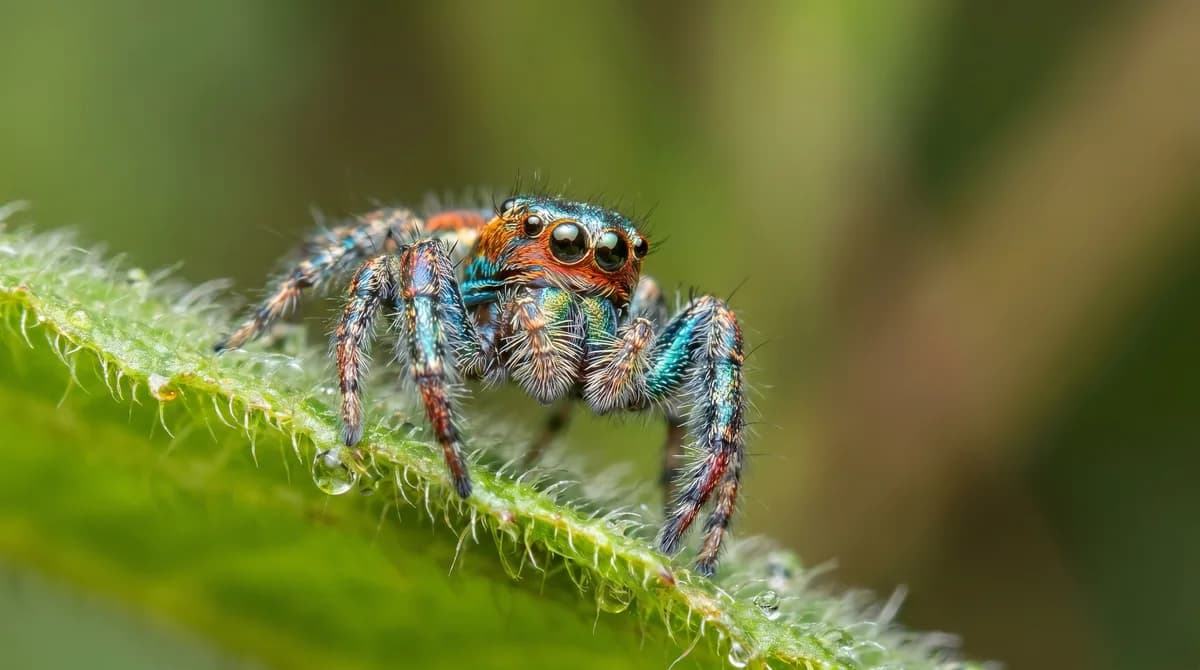
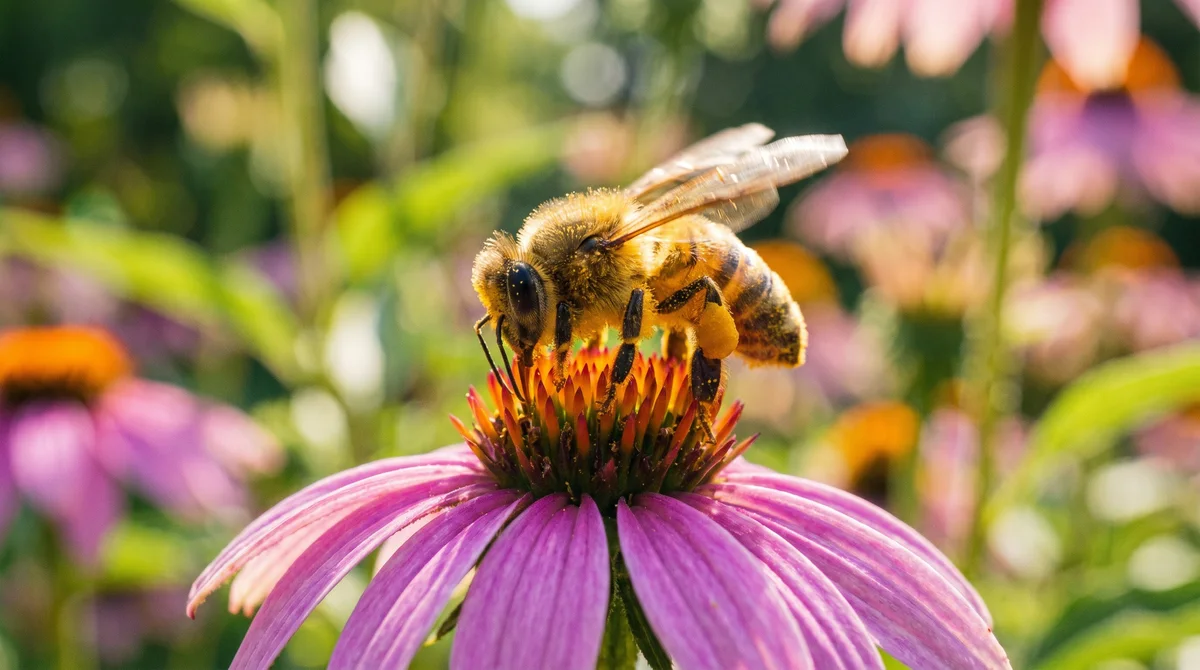
You can tell a spider from an insect in two seconds. Insects have 6 legs and 3 body parts (head, thorax, abdomen). Spiders have 8 legs and 2 body parts (a joined head-and-chest, plus the abdomen). So next time someone calls a spider a 'bug,' just count — the legs give the game away (Natural History Museum, London).
More ways they differ
- Antennae: insects have them; spiders do not.
- Wings: many insects can fly; no spider has wings.
- Silk: most spiders make silk; insects generally do not (silkworms are a rare exception).
- Eyes: insects often have big compound eyes; most spiders have several simple eyes.
So what is a spider?
A spider is an arachnid. The arachnid group also includes scorpions, ticks and mites — all sharing eight legs and two body parts. Insects and arachnids are both 'arthropods' (animals with jointed legs and a hard outer skeleton), which is why they can look related, but they branched apart a very long time ago.
Other 'bugs' that aren't insects either
Spiders are not the only impostors. Lots of creatures people call 'bugs' are not insects at all:
- Woodlice — actually crustaceans, closer to crabs than beetles.
- Centipedes and millipedes — myriapods, with far more than six legs.
- Snails and slugs — molluscs, with soft bodies and no legs at all.
Even the word 'bug' has a strict meaning to scientists (the 'true bugs,' like shield bugs) — so it pays to be precise.
Why getting it right matters
This is not just trivia. Classifying — sorting living things into groups by shared features — is one of the most important tools in biology. It helps scientists understand how animals are related, how they evolved, and how to study and protect them. Learning to look closely and group by evidence is a skill that powers all of science.
Think like a scientist
Here is the habit to take away: when someone makes a confident claim ("that's an insect!"), ask "how could we check?" With spiders, the check is simple — count the legs and body parts. Replacing a guess with a quick, evidence-based test is exactly how scientists think, and it works far beyond minibeasts.
The superpower insects don't have: silk
One of the clearest differences is silk. Almost all spiders make silk — and it is astonishing stuff, stronger than steel of the same weight and stretchier than rubber. Spiders use it to build webs, wrap prey, make egg sacs, and even 'balloon' through the air on a strand to travel. Most insects cannot do any of this (silkworms are a rare exception). When you see a web, you are looking at pure arachnid engineering.
Are spiders dangerous?
Almost never. The vast majority of spiders are completely harmless to people — their fangs are too small or weak to hurt us, and they have no interest in biting unless trapped against skin. Only a tiny number of species can give a medically serious bite, and even those would much rather run and hide. Like snakes, spiders suffer from a scary reputation they mostly do not deserve (National Geographic Kids).
Spiders are secretly on your side
Far from being pests, spiders are some of the best natural pest controllers on Earth. They eat enormous numbers of flies, mosquitoes and other insects — a single spider can catch hundreds of pests in a year. A house or garden with a few spiders usually has fewer biting and disease-carrying bugs. The next web in the corner is doing you a quiet favour.
Five quick spider facts
- Spiders have eight legs and eight eyes (most of them), but no antennae.
- They cannot chew — they turn prey to liquid and drink it.
- Some jumping spiders can leap many times their body length.
- Baby spiders, called spiderlings, can 'balloon' through the air on silk threads.
- There are over 50,000 known spider species — and more found every year.
Meet the wider arachnid family
Spiders are not alone. They belong to a bigger group called arachnids, and their relatives are just as fascinating. Scorpions have pincers and a stinging tail; harvestmen (daddy-long-legs) have one round body and cannot make silk or venom; mites and ticks are tiny arachnids, some so small you need a microscope to see them. What unites them all is the same body plan: eight legs and two main body sections — never the insect's six legs and three.
How scientists name and group living things
Sorting animals is so important that scientists built a whole system for it. Every creature is placed in nested groups — from broad ones like 'animals with jointed legs' down to a single species, the exact kind. A spider and an insect share the broad group (both are arthropods) but split into different classes lower down. Understanding this 'family tree' helps scientists predict an animal's behaviour, spot its closest relatives, and give it a precise two-word Latin name the whole world can use (Natural History Museum, London).
Spiders around the world
Spiders live on every continent except Antarctica, in deserts, rainforests, caves and even underwater (one species carries its own air bubble). The biggest, the Goliath birdeater, is the size of a dinner plate, while the smallest is less than a millimetre across. This incredible range is one reason there are so many species — and why scientists keep discovering new ones in places nobody has looked closely before.
Try it yourself: classify five creatures
Here is a game that turns the whole lesson into a two-second test. Picture (or find pictures of) a ladybird, a spider, a scorpion, an ant and a butterfly. For each one, ask two questions: How many legs? How many body parts? Six legs and three parts means insect; eight legs and two parts means arachnid. By the end you will sort them faster than most grown-ups — because you are using evidence, not a guess.
Spiders that hunt without webs
Not every spider builds a web. Jumping spiders stalk and pounce on prey like tiny cats, using superb eyesight. Wolf spiders chase their meals across the ground. Crab spiders sit camouflaged inside flowers and ambush visiting insects. Web-building is just one spider strategy among many — proof that even within a single group, animals find lots of different ways to make a living.
How spiders sense their world
Most spiders have eight eyes, yet many still see poorly — so they 'listen' with their legs instead. Tiny hairs and slits in their legs detect the faintest vibrations, letting a web-builder feel exactly where a trapped insect is struggling. Some can even sense smells and air currents this way. It is a completely different way of experiencing the world from ours, and a great prompt for kids to imagine senses beyond their own.
Be a spider-spotter at home
Spiders are the easiest minibeast to study because they live right alongside us. After dark, a torch held near your eyes can make spider eyes sparkle in the grass. On a dewy morning, webs show up like silver lace. Challenge kids to find three different web shapes — a classic wheel, a messy tangle, a sheet — and ask what each design might be good at catching.
Bust more bug myths in Wild World: Minibeasts
The issue's Myth-Busters spread sorts the spiders from the insects (and busts a few more myths) — with puzzles, a quiz and a draw-along, for ages 8-14.
Want the fun facts too? Read 25 minibeast facts for kids.
Sources and further reading
- Natural History Museum, London
- Smithsonian National Museum of Natural History
- National Geographic Kids
Facts in this article were checked against the public, expert sources above. Spotted something out of date? Tell us and we will fix it.
Frequently Asked Questions
Is a spider an insect?
No. A spider is an arachnid, not an insect. The two are different groups: insects have six legs and three body parts, while spiders have eight legs and two body parts.
What is the difference between a spider and an insect?
Count the legs and body parts. Insects have 6 legs and 3 body parts (head, thorax, abdomen), plus antennae and often wings. Spiders have 8 legs, 2 body parts, no antennae and no wings, and most make silk.
What group do spiders belong to?
Spiders are arachnids. The arachnid group also includes scorpions, ticks and mites — all with eight legs and two main body parts.
Are all 'bugs' insects?
No. 'Bug' is a casual word people use for lots of little creatures. Many are not insects at all — woodlice are crustaceans, centipedes and millipedes are myriapods, and snails are molluscs.
Why do people think spiders are insects?
Because spiders are small, have many legs and live in the same places as insects, it is easy to lump them together. But counting legs and body parts quickly shows they belong to a different group.
Do spiders have antennae?
No. Insects use antennae to sense the world, but spiders do not have them. Instead, spiders sense their surroundings through tiny hairs and special leg organs that detect touch and vibration.
Try our free critical thinking games!
Fun, colorful brain-building games for kids ages 6-14. No signup required.
Play Now