SEL Activities That Kids Love: Building Emotional Intelligence Through Play
Key Takeaways
- ✓Play-based SEL activities are the most effective approach because play triggers dopamine release, which strengthens memory formation and neural connections.
- ✓A meta-analysis of 213 SEL programs found that the most effective ones were interactive and engaging, not lecture-based or worksheet-driven.
- ✓Effective SEL activities include Emotion Freeze Dance, Compliment Hot Potato, guided journaling, mindful coloring, and digital games that build evidence evaluation skills.
- ✓A simple weekly SEL plan alternates between feelings check-ins, group games, journaling, digital activities, and weekly reflections.
Fun, game-based SEL activities that build emotional intelligence without feeling like a lesson. Practical ideas for parents and teachers.
Here is the truth about SEL activities: if kids are bored, they are not learning. The most effective social emotional learning happens when children are so engaged they forget it is "educational." These activities deliver genuine emotional intelligence building through genuine fun.
Why Play-Based SEL Activities Work
Play is the brain's preferred learning mode during childhood. When children play, their brains release dopamine, which strengthens memory formation and neural connections. SEL activities built on play are not a compromise — they are the most effective approach science has identified.
A meta-analysis of 213 SEL programs found that the most effective ones shared a common trait: they were interactive and engaging, not lecture-based or worksheet-driven.
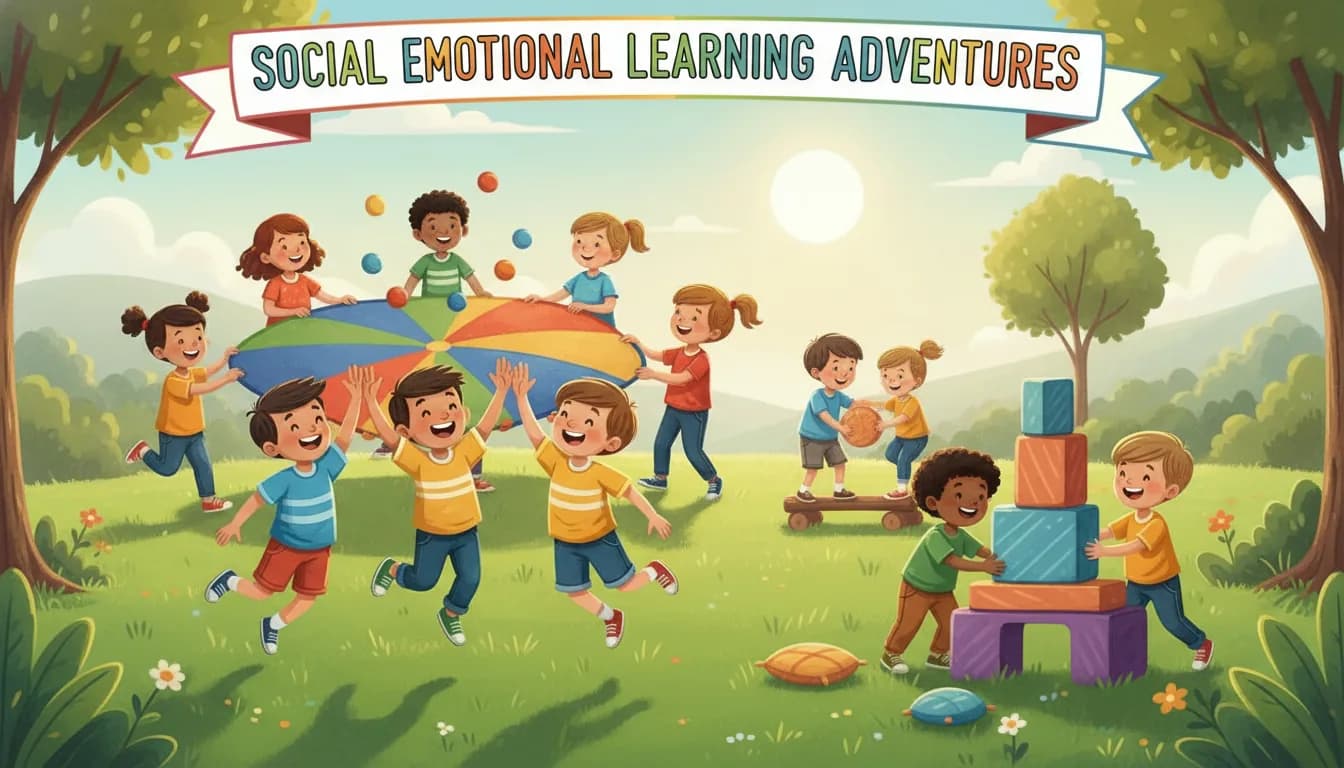
SEL Games for Groups
Emotion Freeze Dance
Play music. When it stops, call out an emotion. Everyone freezes in a pose showing that emotion. Discuss: "What does anger look like in your body? How about excitement?" This builds emotional vocabulary and body awareness.
Compliment Hot Potato
Pass an object while music plays. When it stops, the holder gives a genuine compliment to the person on their left. Builds positive communication and social awareness.
Team Puzzle Challenges
Give groups a puzzle to solve together with a rule: every person must contribute at least one piece/idea. Builds cooperation, communication, and shared problem-solving. ThinkQuest AI's games work well as team challenges projected on a screen.
Feelings Charades Relay
Teams race to act out and guess emotions. The twist: each round adds complexity (act out a scenario that causes the emotion, not just the emotion itself).
SEL Activities for Individual Practice
Guided Journaling
Journaling is one of the most powerful individual SEL activities for children. It builds self-awareness, emotional processing, and reflective thinking. The key is providing prompts that guide without restricting:
- "Today I felt proud when..."
- "Something that was hard today was... I handled it by..."
- "A friend showed kindness today by..."
Our guided journals for kids include hundreds of age-appropriate SEL prompts covering gratitude, mindfulness, self-reflection, and goal-setting.
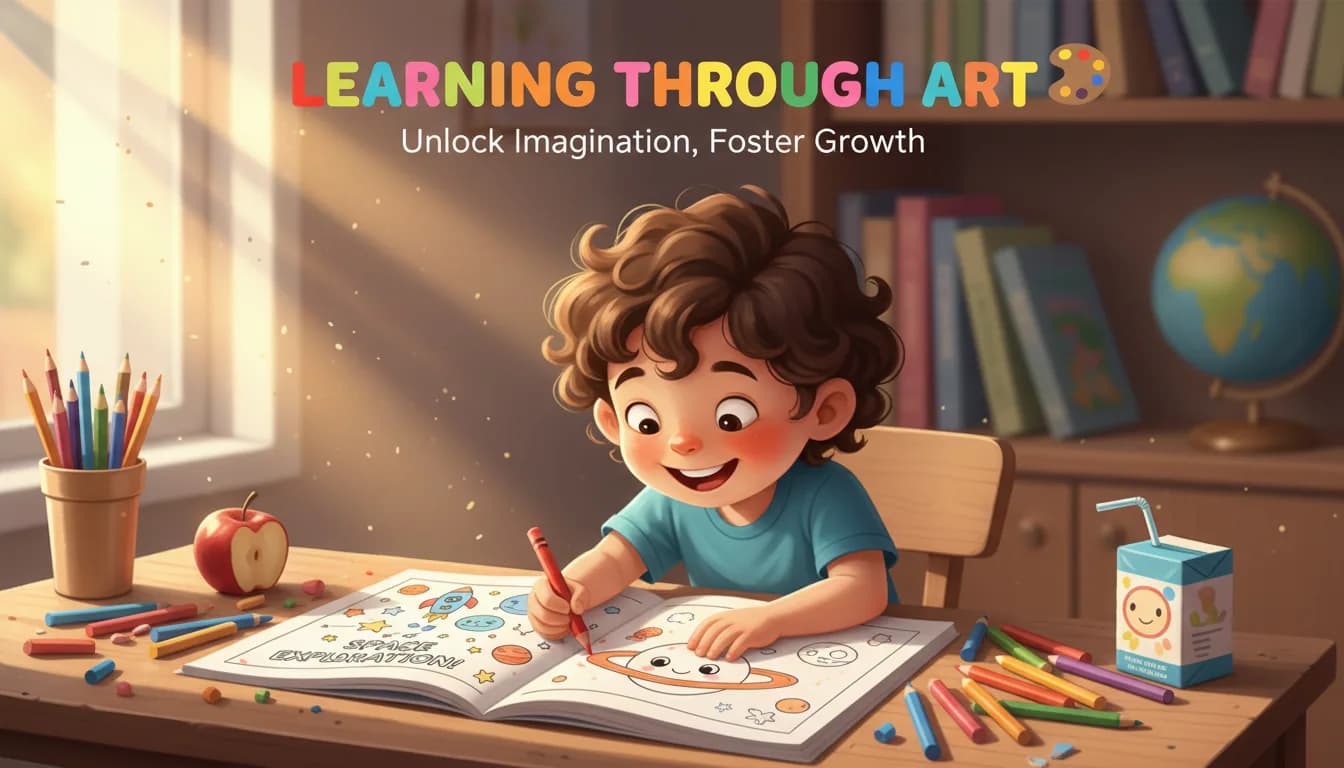
Mindful Coloring
Coloring activates the same brain regions as meditation, reducing anxiety and building focus. Themed coloring pages that connect to learning topics add a cognitive dimension. Our educational coloring books feature themes like Amazing Animals and Space Explorers that spark curiosity alongside calm.
Maze Meditation
Solving a maze requires the same focused attention as mindfulness practice. Encourage children to trace the path slowly, breathe deeply when they hit a dead end, and try a new route without frustration. It is self-regulation practice disguised as a puzzle.
Digital SEL Games
Screen time does not have to be passive. The right digital games build social emotional skills actively:
- Truth Detective — Evaluating claims builds responsible decision-making and media literacy.
- Fallacy Fighter — Identifying logical fallacies develops social awareness (understanding how people try to persuade you).
- Evidence Lab — Classifying evidence teaches the decision-making skills central to SEL Competency 5.
Each ThinkQuest AI game includes ThinkBot, a Socratic AI coach that models the "asking good questions" skill that is central to both critical thinking and emotional intelligence.
A Simple Weekly SEL Plan
- Monday: Feelings check-in + goal-setting for the week
- Tuesday: Group SEL game (Emotion Freeze Dance, Compliment Hot Potato)
- Wednesday: Journal prompt or reflective writing
- Thursday: Digital SEL game (ThinkQuest AI) or mindful coloring
- Friday: Week reflection — "What went well? What will I try differently next week?"
Make SEL Fun Starting Today
SEL does not have to mean sitting in a circle talking about feelings. It can mean laughing through Emotion Freeze Dance, solving a collaborative puzzle, or journaling about a proud moment. When SEL activities are fun, children build emotional intelligence without resistance — and the skills stick for life.
Explore ThinkQuest AI's journals and activity books for structured SEL support, or jump into a free online game that builds critical thinking and emotional intelligence through play.
Frequently Asked Questions
What SEL activities do kids actually enjoy?
Kids enjoy play-based SEL activities like Emotion Freeze Dance (freezing in emotion poses), Compliment Hot Potato, Feelings Charades Relay, and collaborative puzzle challenges. The key is that the activity feels like fun, not a lesson. Digital games that build evidence evaluation and media literacy are also popular.
How do you teach SEL through play?
Play-based SEL works because play is the brain's preferred learning mode during childhood. Games like Emotion Freeze Dance build body awareness and emotional vocabulary. Cooperative puzzles develop communication and teamwork. Guided journaling builds self-awareness. The child is so engaged they forget it is educational.
What is a good weekly SEL plan for kids?
A simple weekly plan: Monday feelings check-in plus goal-setting, Tuesday group SEL game, Wednesday journal prompt or reflective writing, Thursday digital SEL game or mindful coloring, Friday week reflection on what went well and what to try differently.
How does journaling help social emotional learning?
Journaling builds self-awareness, emotional processing, and reflective thinking — core SEL competencies. Guided prompts like 'Today I felt proud when...' and 'Something that was hard today was...' help children process experiences and develop emotional vocabulary without pressure.
Try our free critical thinking games!
Fun, colorful brain-building games for kids ages 6-14. No signup required.
Play Now