Are All Snakes Venomous? What the Evidence Says
Key Takeaways
- ✓No — most snakes are not venomous, and most are harmless to people.
- ✓Of roughly 3,000+ snake species, only about 600 are venomous, and far fewer are dangerous to humans.
- ✓'Venomous' means injecting toxin by biting; 'poisonous' means being toxic to eat — they are different.
- ✓Non-venomous snakes catch prey by gripping or by squeezing (constriction), not by poison.
- ✓Snakes help people by eating rodents; fear usually comes from stories, not the evidence.
Are all snakes venomous? A fact-checked, kid-friendly answer: how few snakes are actually dangerous, the difference between venomous and poisonous, and how to think calmly about snakes.
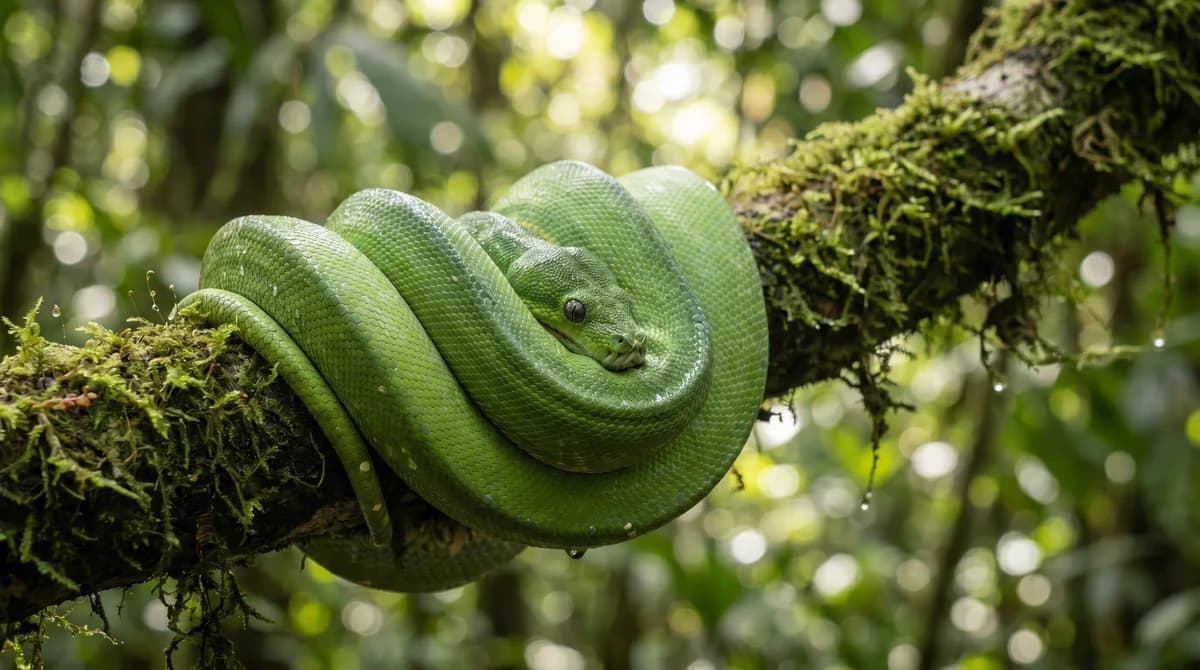
Short answer: no — most snakes are not venomous, and most are completely harmless to people. Out of thousands of snake species, only a minority carry venom, and even fewer are dangerous to humans. Snakes are a brilliant topic for practising how to replace fear with evidence.
Last updated 7 June 2026
What the numbers show
There are more than 3,000 species of snake in the world. Of those, only around 600 are venomous, and just about 200 are considered dangerous to humans. That means the large majority of snakes cannot seriously harm you at all (San Diego Zoo Wildlife Alliance).
Venomous is not the same as poisonous
People mix these up all the time, so here is the rule: venomous means an animal injects toxin (a snake bites and delivers venom through its fangs). Poisonous means something is harmful if you eat or touch it. Most dangerous snakes are venomous, not poisonous — and knowing the difference is a great little science win.
How harmless snakes catch food
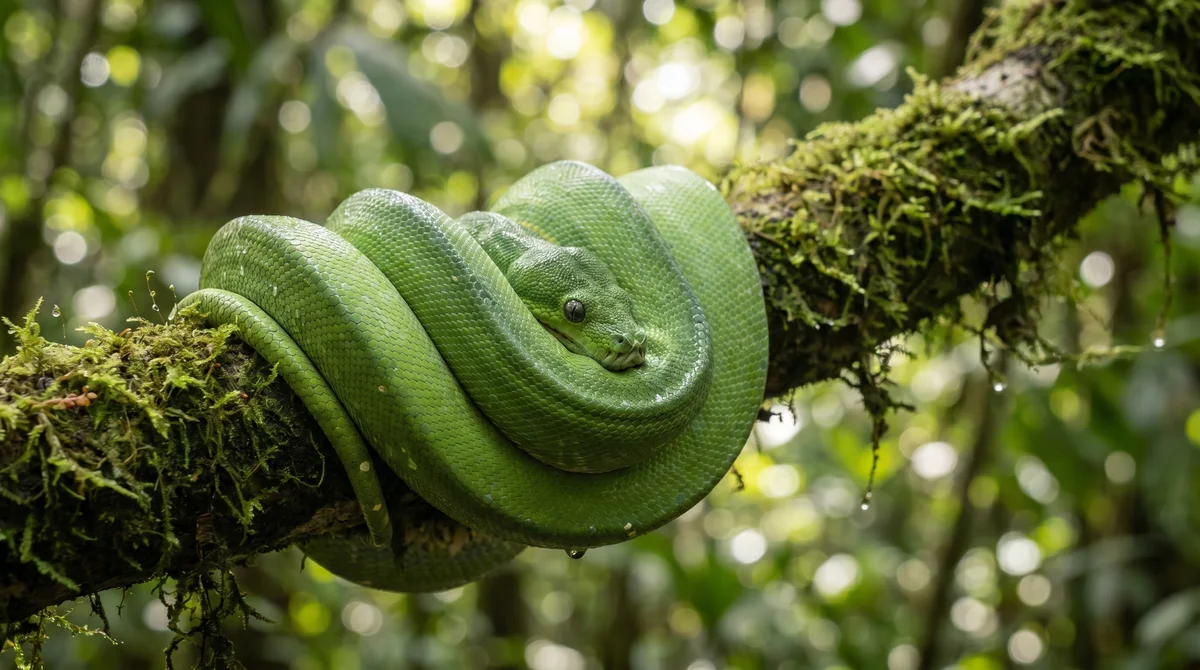
If most snakes have no venom, how do they eat? Two clever ways. Many simply grab and swallow their prey whole. Others, like pythons and boas, are constrictors: they wrap around prey and squeeze gently until it cannot breathe. Neither needs a drop of venom.
Snakes are not out to get you
Snakes do not hunt people, and they are not aggressive by nature. A snake's first choice is almost always to hide or escape. Most bites happen only when a snake is cornered, stepped on, or picked up. Give a snake space and it will nearly always leave you alone (Australian Museum).
Why the fear feels so big
If snakes are mostly harmless, why are so many people terrified? Part of it may be built-in, but a lot comes from scary stories, films and headlines — dramatic tales stick in our memory far more than calm facts. That is the same thinking trap that makes people fear sharks more than cars.
Think like a scientist
Next time you hear "snakes are dangerous," try the scientist's questions: How many snakes are actually venomous? What does 'venomous' even mean? Where did my fear come from? Replacing a scary feeling with real numbers is a skill that works far beyond snakes.
Can you tell a venomous snake just by looking?
Not reliably — and this is important. Popular "rules" (like triangle-shaped heads or certain colours) have too many exceptions to trust. Harmless snakes often copy the look of dangerous ones to scare predators away, which fools people too. The safe, scientific approach is simple: never handle a wild snake, give any snake space, and let trained experts identify it. "I think it's harmless" is not worth the risk (Australian Museum).
What to do if you meet a snake
- Stop and stay calm — most snakes will not chase you.
- Back away slowly and give it a clear escape route.
- Never poke, chase or pick it up — that is when bites happen.
- Tell an adult and leave it alone; it will usually move on by itself.
Why snakes are worth protecting
Snakes do a quiet, important job: they eat huge numbers of rats and mice, protecting crops and reducing the spread of disease. They are also food for birds of prey and other animals. A world with fewer snakes would mean more pests — so even a creature many people fear is working in our favour. Understanding that is far more useful than fearing it.
How do snakes move without legs?
Snakes lost their legs millions of years ago, yet they move beautifully. Most use lateral undulation — pushing their S-shaped body against bumps and stones to slide forward. On smooth or narrow ground some "concertina" by bunching up and stretching out, and a few desert snakes sidewind, throwing loops of their body sideways across hot sand. Big, heavy snakes can even move in a slow, straight "caterpillar" crawl. Far from being a disadvantage, leglessness lets snakes slip into burrows, water and tight spaces no legged animal could reach.
Snake venom can actually save lives
Here is a surprising twist on the scary reputation: snake venom is helping medicine. Scientists study venom to make antivenom, the treatment that saves people who are bitten, and chemicals first found in venom have inspired drugs for high blood pressure and blood clots. So the very thing that makes some snakes dangerous is also a source of life-saving science — a perfect example of how something can be both risky and valuable depending on how we use it.
Snakes live almost everywhere
Snakes are found on every continent except Antarctica, and a few islands (like Ireland and New Zealand) have none at all. They live in deserts, rainforests, grasslands, rivers and even the open ocean — sea snakes spend their whole lives at sea. Wherever they live, the vast majority simply want to be left alone to hunt rodents and stay out of sight. Knowing where snakes do and don't live is another fact that calms needless fear.
Other snake myths, busted
- 'Snakes are slimy.' They are dry and smooth — their scales feel like a leather belt.
- 'Snakes chase people.' They don't — a snake heading 'at' you is usually fleeing toward its burrow, which happens to be your way.
- 'Baby snakes are more dangerous than adults.' A myth — adult snakes generally deliver more venom.
- 'A snake can hypnotise its prey.' No — snakes can't even blink, let alone hypnotise. They simply stay very still before striking.
What snake venom actually does
Venom is really just special saliva that helps a snake catch and digest food. Different snakes make different kinds: some venoms mainly affect the nerves, others affect the blood and tissue. Crucially, a snake makes only a limited supply and would much rather save it for a meal than waste it on a human it cannot eat — another reason bites on people are so rare. Understanding what venom is for takes a lot of the spookiness out of it.
Record-breaking snakes
The snake world is full of extremes. The reticulated python is the longest snake, reaching 6-7 metres; the green anaconda is the heaviest; and the black mamba is among the fastest, able to slither faster than many people can jog. At the other end sits the Barbados threadsnake, thin as a noodle and small enough to curl up on a coin. Comparing these record-holders helps kids feel the huge variety hidden inside one group of animals.
Where our snake fear really comes from
Scientists think humans may be slightly primed to notice snakes quickly — a handy skill long ago. But most of our fear is learned: from nervous grown-ups, scary films and dramatic stories passed along. The good news about a learned fear is that it can be un-learned with facts and calm experience. Naming where a fear comes from is the first step to keeping it in proportion.
Putting the risk in perspective
Snakes feel frightening, but the evidence is reassuring: serious bites are uncommon, most happen only when a snake is grabbed or trodden on, and when bites do occur, antivenom makes them very treatable. Compared with everyday risks we barely think about, a healthy respect for snakes — give them space, never handle them — keeps you safe without any need for terror. Swapping fear for facts is the whole point.
Bust more reptile myths in Wild World: Reptiles
The issue's Myth-Busters spread asks kids to weigh evidence over fear — with snakes, lizards, crocodiles, puzzles and a quiz, for ages 8-14.
Want the fun facts too? Read 24 reptile facts for kids.
Sources and further reading
Facts in this article were checked against the public, expert sources above. Spotted something out of date? Tell us and we will fix it.
Frequently Asked Questions
What fraction of snakes are venomous?
Only a minority. Of more than 3,000 snake species, roughly 600 are venomous, and only around 200 are considered dangerous to humans. Most snakes are completely harmless.
What is the difference between venomous and poisonous?
Venomous means an animal injects toxin, usually by biting or stinging. Poisonous means it is harmful if you eat or touch it. Most dangerous snakes are venomous, not poisonous.
How do non-venomous snakes catch food?
They grab prey with their teeth and swallow it, or wrap around it and squeeze until it cannot breathe — this is called constriction. Pythons and boas are famous constrictors.
Are snakes aggressive toward people?
Usually not. Most snakes would rather hide or flee than confront a human, and they only bite if cornered or stepped on. Giving a snake space is the best way to stay safe.
Why are people so afraid of snakes?
Some fear may be partly built-in, but a lot comes from scary stories, films and headlines rather than facts. Learning how few snakes are dangerous helps shrink the fear to its real size.
Do snakes help humans?
Yes. Snakes eat large numbers of rats and mice, helping protect crops and reduce the spread of disease. A garden with a harmless snake often has fewer pests.
Try our free critical thinking games!
Fun, colorful brain-building games for kids ages 6-14. No signup required.
Play Now