Reptile Facts for Kids: 24 Scaly Things to Know
Key Takeaways
- ✓Reptiles have scaly, waterproof skin, breathe air, and most lay eggs on land.
- ✓Reptiles are cold-blooded (ectotherms): they use the sun and shade, not food, to control their temperature.
- ✓The five main groups are snakes, lizards, crocodilians, turtles and tortoises, and the rare tuatara.
- ✓The saltwater crocodile is the biggest reptile, and the Komodo dragon is the biggest lizard.
- ✓Chameleons mostly change colour to show mood and temperature, not just to hide.
Fact-checked reptile facts for curious kids aged 8-14 — why reptiles are cold-blooded, the five main groups, how a chameleon really changes colour, the biggest reptile, and why scales aren't slimy.
Reptiles are some of the toughest survivors on Earth — scaly, cold-blooded animals that have been around since before the dinosaurs. From tiny geckos to giant crocodiles, they are full of surprises (and far less scary than their reputation). Here are 24 fact-checked reptile facts for curious kids, grouped so you can find your favourites.
Last updated 7 June 2026
What makes an animal a reptile?
Reptiles share four big traits: dry, scaly skin; breathing air with lungs; laying eggs on land (mostly); and being cold-blooded. Their scales are made of keratin — the same stuff as your fingernails — and act like waterproof armour. There are more than 11,000 reptile species alive today (San Diego Zoo Wildlife Alliance).
The five reptile groups
- Snakes — long, legless hunters that swallow prey whole.
- Lizards — the biggest group, from tiny geckos to the giant Komodo dragon.
- Crocodilians — crocodiles and alligators, the armoured giants.
- Turtles and tortoises — slow movers that carry a bony shell.
- Tuatara — a rare, lizard-like reptile found only in New Zealand.
What "cold-blooded" really means
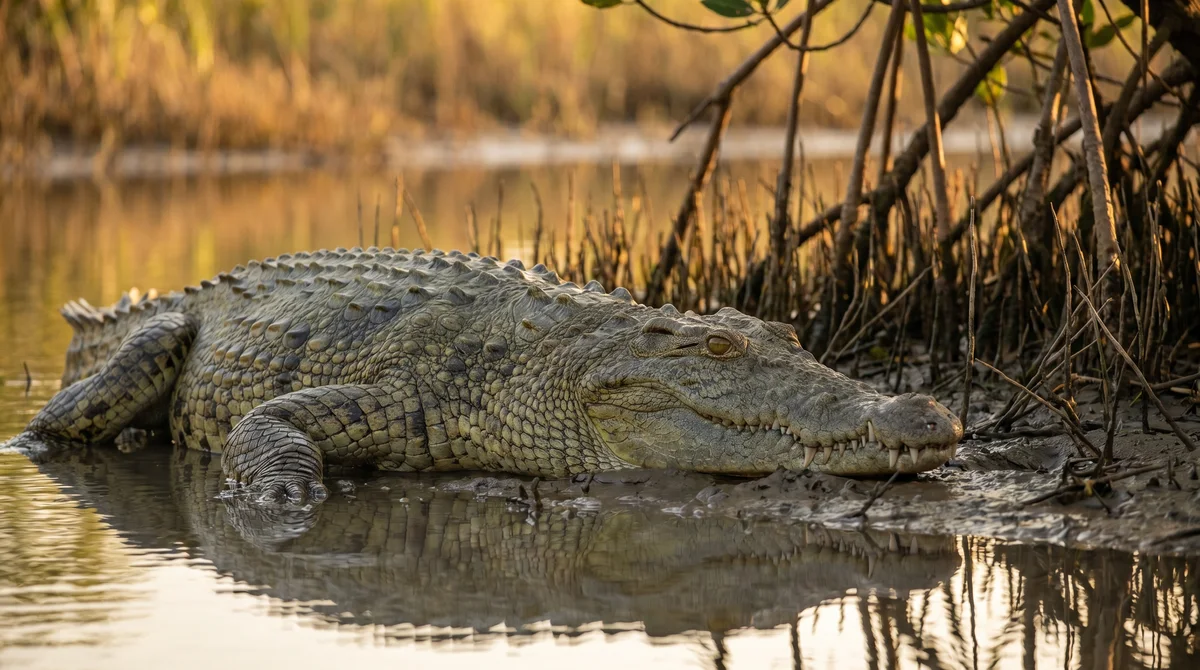
Cold-blooded does not mean a reptile's blood is cold — it means it cannot make its own body heat. Reptiles are ectotherms ('outside heat'), so they bask in the sun to warm up and rest in the shade to cool down. The bonus: they need far less food than warm-blooded animals, so a big crocodile can go weeks between meals.
Amazing reptile skills
Reptiles have some of nature's strangest talents. Geckos have millions of tiny hairs that let them walk up glass. Chameleons shoot out a sticky tongue longer than their body and aim each eye separately. Some lizards drop their tails to escape, then grow them back. And a snake's clear eye-caps are scales too — which is why snakes never blink.
Reptiles are not slimy
One of the most common reptile myths is that they are slimy. They are not! Reptile scales are dry and smooth — a snake feels like a smooth leather belt. It is amphibians, like frogs, that can feel damp. A turtle's shell, by the way, is part of its skeleton, so it can never climb out of it.
Reptiles by the numbers
- Species: 11,000+ alive today
- Biggest: Saltwater crocodile, 6+ m
- Biggest lizard: Komodo dragon, ~3 m
- Longest snake: Reticulated python, ~6-7 m
- Body heat: From the sun (cold-blooded)
- On Earth: Since before the dinosaurs
Are all snakes dangerous?
Here is a fact that surprises people: most snakes are harmless to humans. Only a minority are venomous, and even fewer are dangerous to people. We sort out the truth in are all snakes venomous?
Where in the world do reptiles live?
Because reptiles rely on warmth from their surroundings, most live in warm places — deserts, rainforests, rivers and tropical seas. Lizards and snakes love the heat; crocodiles and turtles rule warm waters. Very few reptiles live in cold regions, and none live in Antarctica. Some hardy species, though, survive surprisingly chilly mountains and even cope with winter by going into a deep rest called brumation.
How reptiles have babies
Most reptiles lay eggs with leathery or hard shells, often buried in warm sand or soil and then left to hatch on their own. But not all — some snakes and lizards give live birth, which helps in cooler climates where eggs might not survive. In many reptiles, the temperature of the nest decides whether babies are male or female — a strange and fascinating trick of nature (National Geographic Kids).
Reptiles are incredibly ancient
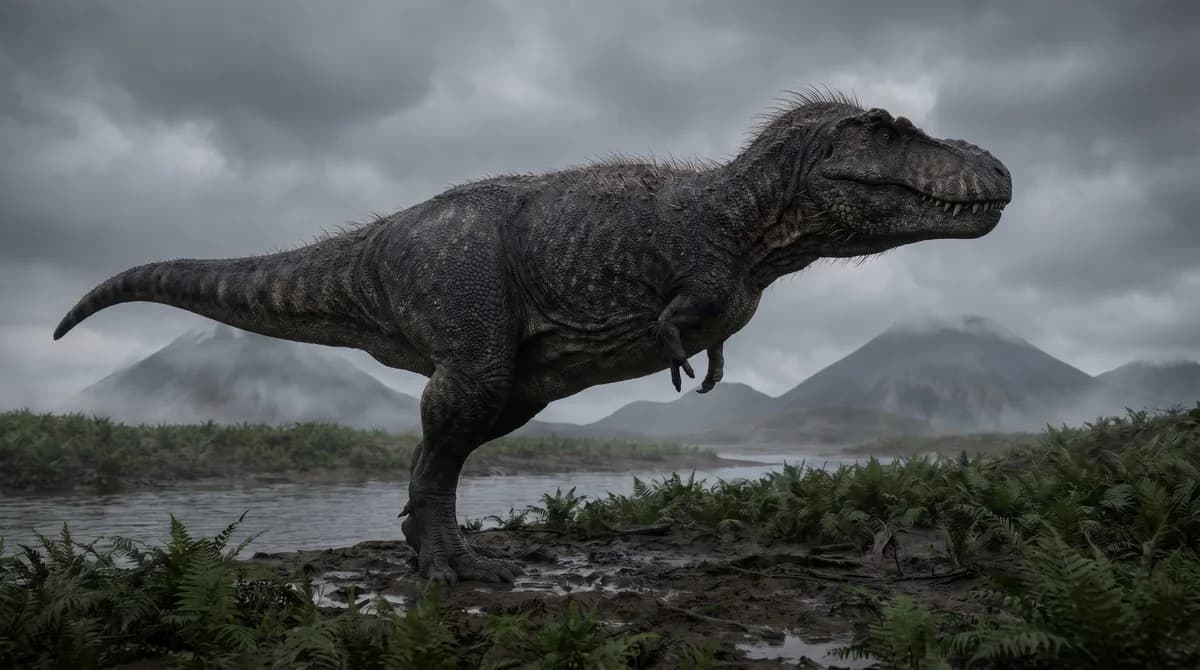
Reptiles have been around for over 300 million years — longer than dinosaurs, mammals or birds. In fact, dinosaurs were a kind of reptile, and today's crocodiles are their close living cousins. Reptiles have survived several mass extinctions, which makes them some of the toughest survivors in the history of life.
Super-senses
Reptiles sense the world in remarkable ways. A snake "tastes" the air by flicking its forked tongue and pressing it to a special organ in the roof of its mouth. Some snakes have heat-sensing pits that detect the body warmth of prey in total darkness. And many lizards have a tiny light-sensing "third eye" on top of the head that helps them track the sun.
How reptiles stay safe
Reptiles have a brilliant toolkit for survival. Many rely on camouflage to vanish against bark, sand or leaves. Some lizards can drop their tail — it keeps wriggling to distract a predator while the lizard escapes, then slowly grows back. Turtles and tortoises pull into their armoured shells; crocodiles wear bony armour of their own. Others put on a bluff, hissing, puffing up or flashing bright colours to look scary. Only a minority rely on venom. It is a great lesson that there are many ways to survive, not just one.
Record-breaking reptiles
The reptile world is full of extremes. The saltwater crocodile is the heaviest reptile; the reticulated python is the longest snake; and a tiny dwarf gecko from the Caribbean is small enough to curl up on a coin. Some tortoises are astonishingly old — the famous Aldabra giant tortoise can live well past 150 years, meaning a tortoise alive today may have hatched before your great-great-grandparents were born. Comparing these record-holders helps kids feel the huge range within one animal group.
Reptiles in trouble
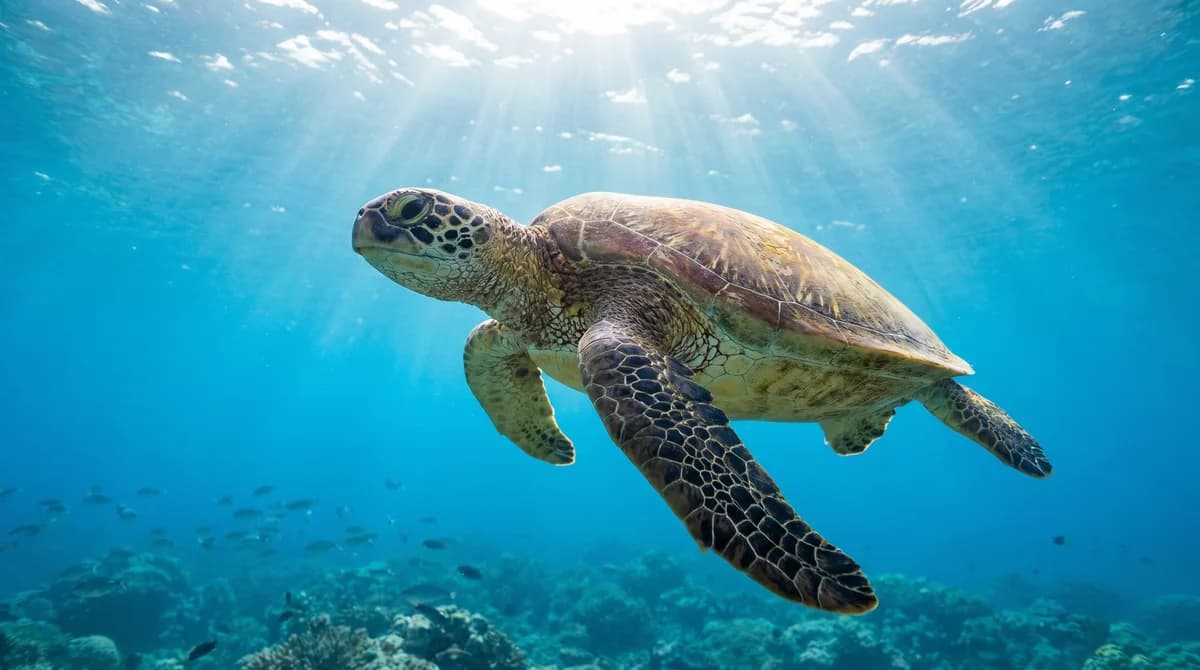
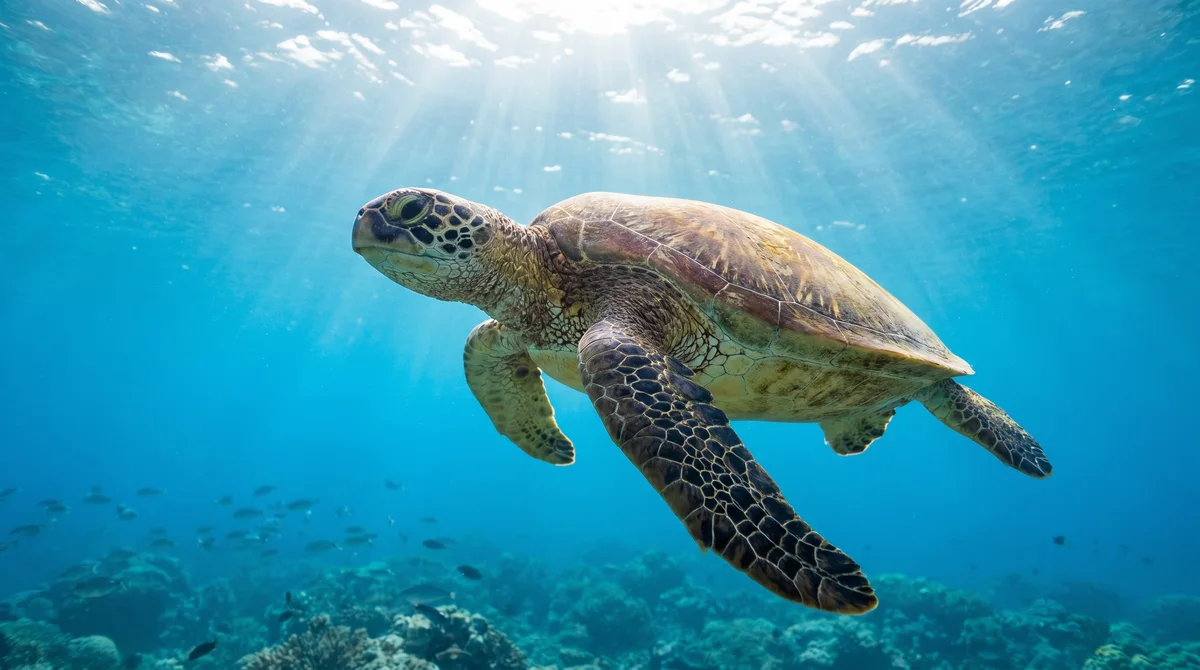
Many reptiles are now at risk, mainly from habitat loss, hunting and the illegal pet trade. Sea turtles, for example, face threats from plastic, fishing nets and disappearing beaches. The good news is that protected nesting sites and conservation projects are helping some species recover. Reptiles also matter to us — they control pests and are an important part of healthy ecosystems — which is one more reason to protect them (San Diego Zoo Wildlife Alliance).
What's on the menu? How reptiles eat
Reptiles have wildly different diets. Snakes are pure carnivores that swallow prey whole, their jaws unhooking to gulp down meals wider than their own heads. Crocodiles grab and spin in a 'death roll' to tear off chunks. Many lizards snap up insects, while giant tortoises are gentle herbivores that munch grass and cactus. Because they are cold-blooded and waste little energy on heating, most reptiles can survive on far less food than a mammal of the same size (National Geographic Kids).
Reptiles versus amphibians: spot the difference
People often lump reptiles and amphibians (frogs, toads, newts) together, but they are different groups. Reptiles have dry, scaly skin and lay tough eggs on land. Amphibians have moist, smooth skin, usually lay jelly-like eggs in water, and often start life as tadpoles before changing shape. A simple test: scaly and dry points to reptile; damp and soft points to amphibian. Telling the two apart is a perfect bite-sized exercise in classifying by evidence.
Reptiles that break the rules
Just when you think you have reptiles figured out, some species break the mould. The basilisk lizard can sprint across the surface of water on its back legs, earning it the nickname 'Jesus lizard.' The marine iguana of the Galápagos dives into the sea to graze on seaweed. And a few snakes and lizards skip eggs entirely to give birth to live young. Exceptions like these are a perfect reminder to stay curious — nature loves to surprise us (National Geographic Kids).
Meet the cold-blooded crew in Wild World: Reptiles
Our 15-page science magazine for ages 8-14 covers snakes, lizards, crocodiles and tortoises — a Myth-Busters spread, puzzles and a draw-along.
Ready to teach it? See how to teach kids about reptiles.
Sources and further reading
Facts in this article were checked against the public, expert sources above. Spotted something out of date? Tell us and we will fix it.
Frequently Asked Questions
What makes an animal a reptile?
Reptiles are animals with dry, scaly skin that breathe air with lungs, and most lay eggs on land. They are cold-blooded, meaning they rely on their surroundings to warm up or cool down.
Are reptiles slimy?
No — that is a common myth. Reptile scales are dry and smooth (it is amphibians like frogs that can feel moist). A snake or lizard feels more like a smooth leather bag.
What is the biggest reptile?
The saltwater crocodile is the largest living reptile, with big males reaching over 6 metres. The Komodo dragon is the largest lizard, growing up to about 3 metres.
How do chameleons change colour?
Chameleons change colour mainly to show their mood and to control temperature, by adjusting tiny crystals in their skin. Hiding is only part of the story — and they cannot turn any colour at all.
Why do reptiles bask in the sun?
Reptiles are cold-blooded, so they cannot make their own body heat. They bask to warm up enough to move and hunt, then rest in the shade to cool down — clever, energy-saving living.
Do all reptiles lay eggs?
Most do, laying eggs on land, but not all. Some snakes and lizards give birth to live young, especially in cooler places where eggs would struggle to develop.
Try our free critical thinking games!
Fun, colorful brain-building games for kids ages 6-14. No signup required.
Play Now