How to Teach Kids About Reptiles: Activities, Facts & a Free Lesson
Key Takeaways
- ✓Start with wonder, not fear — most reptiles are harmless and amazing.
- ✓Use reptiles to teach 'cold-blooded vs warm-blooded' and how to classify animal groups.
- ✓Match activities to age: sorting and sun-and-shade play for young kids; research and debate for older ones.
- ✓Replace myths with evidence (snakes aren't slimy; most aren't venomous).
- ✓Hands-on projects — habitat models, sorting charts, fact files — make the learning stick.
A simple, mostly screen-free way to teach kids about reptiles — a 15-minute lesson plan, hands-on activities by age, conversation starters, and resources that turn reptile fear into fascination.
Reptiles fascinate kids — and they are a brilliant way to teach real biology, from cold-blooded bodies to how scientists sort living things into groups. The trick is to lead with wonder, then gently replace the fear and the myths with facts. Here is a simple, mostly screen-free way to teach kids about reptiles, with a quick lesson and age-by-age activities.
Last updated 7 June 2026
Step 1: Start with wonder, not fear
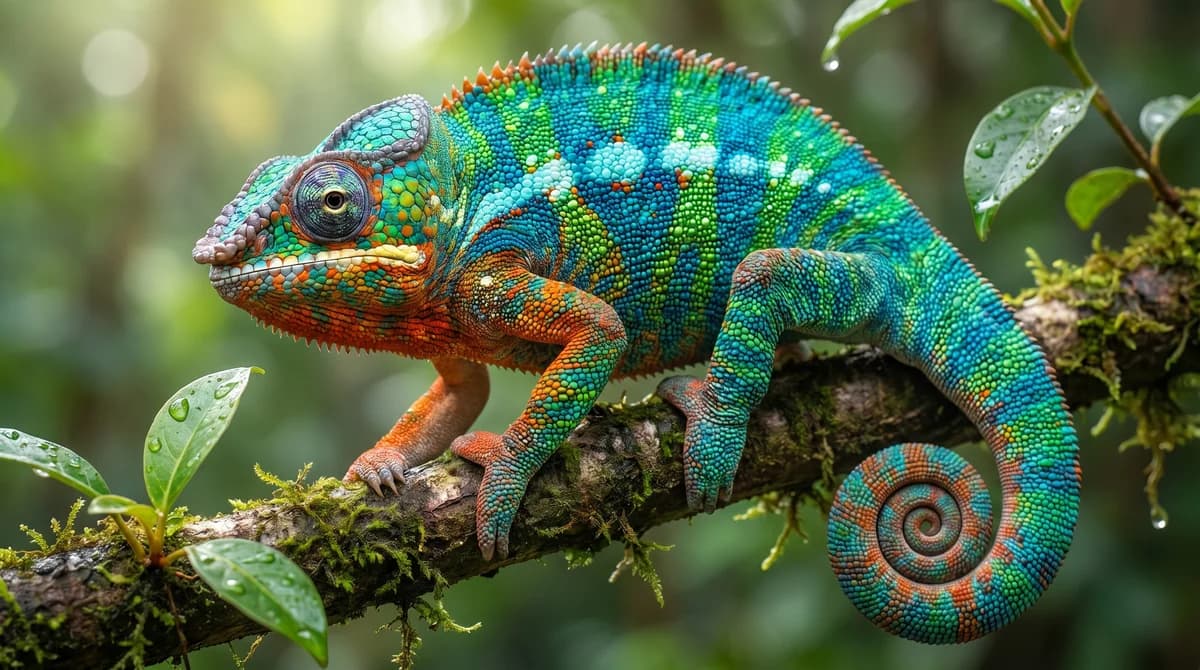
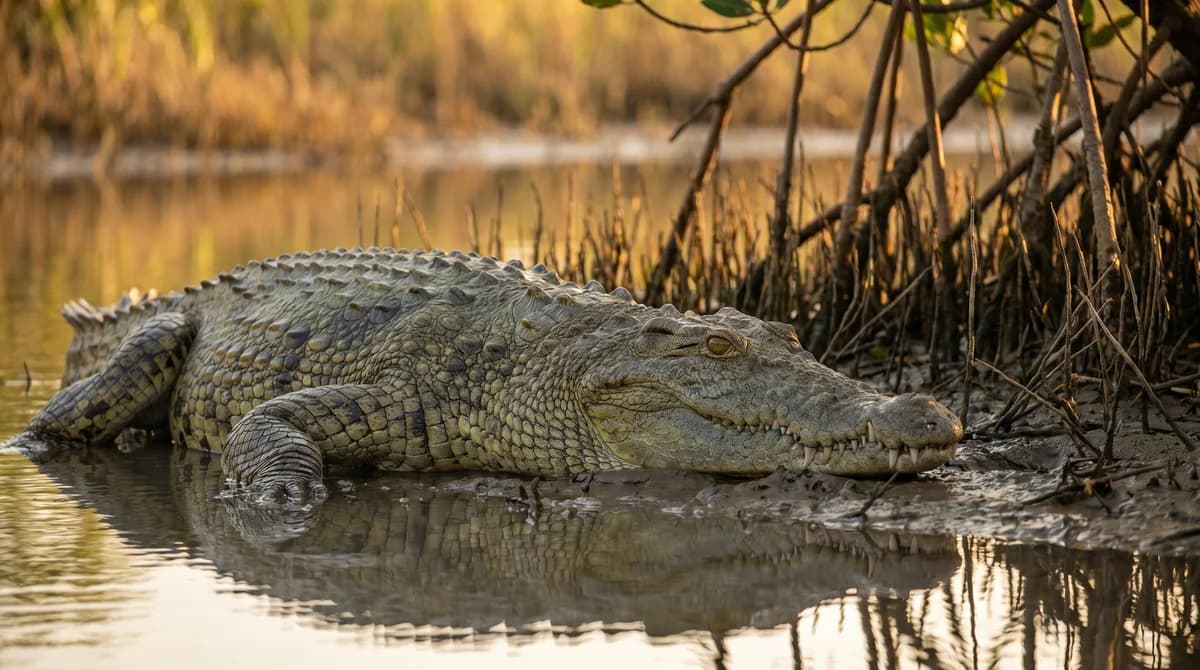
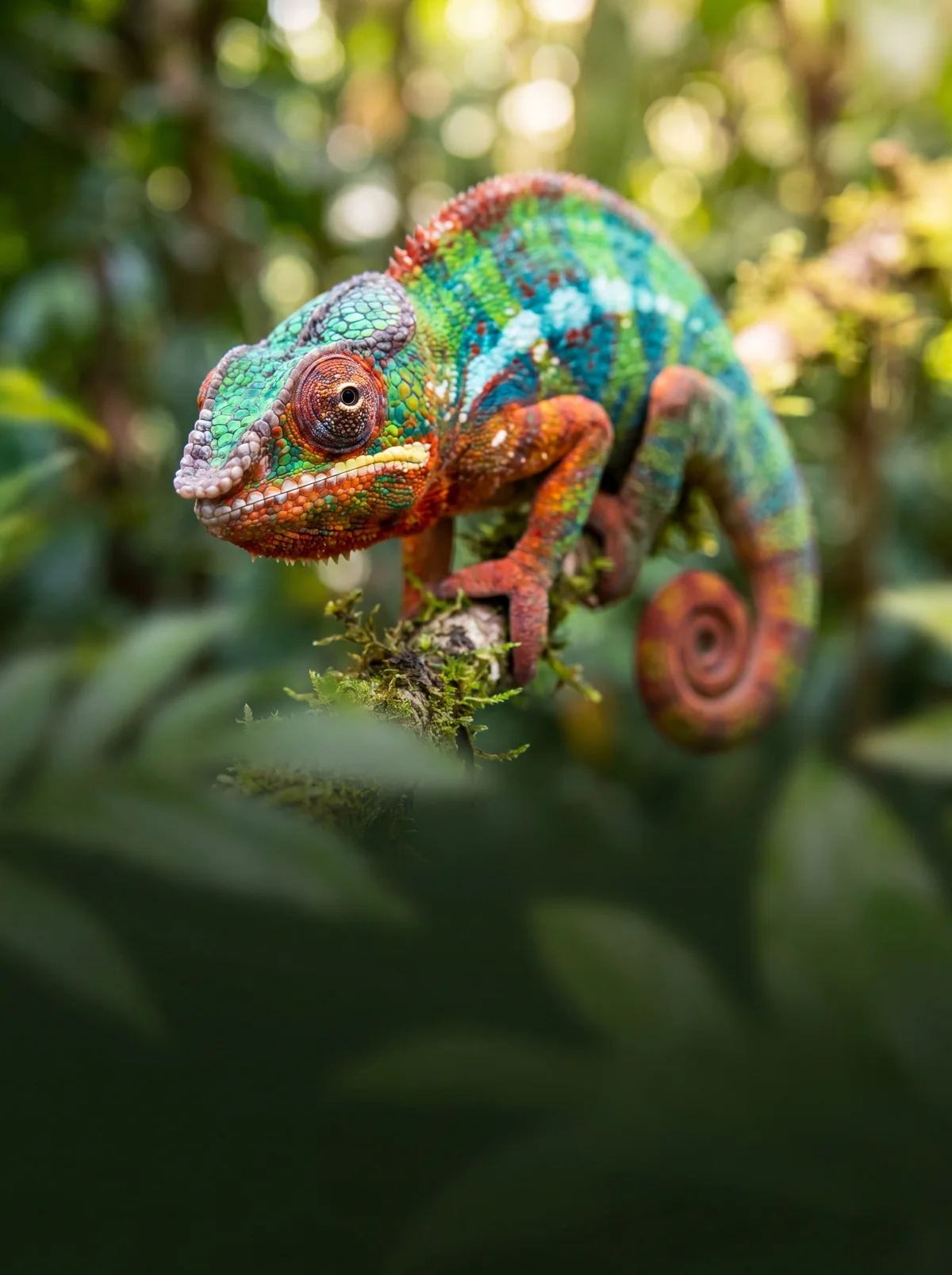
Open with something amazing: a gecko can walk up glass, a chameleon aims each eye on its own, and a crocodile can go weeks without eating. Wonder pulls kids in — and leaves far less room for the 'ick' or fear that surrounds reptiles.
A free 15-minute reptile lesson
Works at the table or in class:
- Wonder (3 min): Share two surprising facts and ask, "What do all reptiles have in common?"
- Facts (5 min): Read about one reptile together (try our reptile facts for kids).
- Myth-check (4 min): Ask, "Are all snakes venomous?" and look at the evidence (see this post).
- Create (3 min): Draw a reptile and label its scales, and say which of the five groups it belongs to.
Step 2: Activities by age
Ages 4-7: Sort reptile pictures into snakes, lizards, crocodiles and turtles, and act out basking in the 'sun' then moving to the 'shade.'
Ages 8-11: Build a simple 'sun and shade' demo with a thermometer to show how cold-blooded animals warm up. Make a shoebox habitat for a chosen reptile.
Ages 12-14: Compare cold-blooded and warm-blooded animals (energy and food needs), or research why a reptile is endangered and design a way to help.
Step 3: Replace myths with evidence
Reptiles are wrapped in myths. Show that snakes are dry, not slimy, that most snakes are harmless, and that a turtle cannot leave its shell. Each time, ask "how do we know?" and check a trusted source (National Geographic Kids). Turning fear into facts is the real lesson.
Step 4: Make it stick
End with a project: a five-groups sorting chart, a habitat model, or a fact file the child presents to you. Building and explaining beats memorising. The San Diego Zoo Wildlife Alliance has great free pages to extend the learning.
Ten quick reptile activities
Pick and mix — most take 10-20 minutes:
- Five-groups sort — sort reptile pictures into snakes, lizards, crocs, turtles and tuatara.
- Sun and shade — use a thermometer to show how a "cold-blooded" object warms in the sun.
- Scale rubbings — make texture rubbings and compare them to "slimy" amphibian skin.
- Habitat shoebox — build a desert or rainforest home for a chosen reptile.
- Venomous vs poisonous — sort animal cards into the right column.
- Chameleon colours — colour a chameleon to match different moods.
- Egg or live? — research which reptiles lay eggs and which give birth.
- Map it — mark where reptiles do (and don't) live on a world map.
- Myth busters — test a grown-up on reptile myths.
- Fact file — research one reptile and make a poster.
Questions kids ask — and simple answers
- "Are snakes slimy?" No — their scales are dry and smooth, like a leather belt.
- "Can a turtle leave its shell?" Never — the shell is part of its skeleton.
- "Are all snakes dangerous?" No — most are harmless and would rather hide.
- "Why do lizards lie in the sun?" They are cold-blooded and need the sun's warmth to get moving.
Turn it into a project
For older kids, combine it into one mini-project: choose a reptile, research five facts and bust one myth, build a habitat model, and present it in three minutes. Research, making and explaining all in one. Our Wild World: Reptiles magazine is a ready-made fact "starter pack."
A simple "cold-blooded" experiment
This activity makes cold-bloodedness click. Put one thermometer in a sunny spot and one in the shade, and check both every few minutes (you can place each next to a small rock to stand in for a basking reptile). Kids will see the "sunny reptile" warm up much faster. Talk about how a real lizard uses exactly this — moving between sun and shade to control its temperature — and why that means it needs far less food than a warm-blooded animal that heats itself from the inside. Concrete, measurable, and unforgettable.
Visit, watch and read
Bring reptiles to life beyond the page. A reptile house at a zoo lets kids safely watch how snakes move and how lizards bask; choose a reputable wildlife documentary and give each child one fact to spot; and borrow nonfiction reptile books from the library. Trusted sites such as the San Diego Zoo Wildlife Alliance and National Geographic Kids have excellent, accurate pages too. Pair any of these with the question "how do we know that?" and you have turned an outing into real science.
Cross-curricular links
A reptile theme reaches right across the timetable. Maths: chart the sun-and-shade temperatures, or compare reptile lengths. Art: design scale patterns or draw a chameleon's moods. Writing: write a 'myth-busting' news report about snakes. Geography: map where reptiles do and don't live and link it to climate. One scaly topic can quietly cover half a week of lessons.
Build a reptile classification key
Turn sorting into proper logic with a 'yes/no' key — the same tool scientists use. Start broad: Does it have a shell? 'Yes' lands on turtles and tortoises. 'No' → Does it have legs? 'No' means snake; 'yes' leads to lizards and crocodilians, which you split with another question. Building the key teaches kids that classifying is a chain of evidence-based decisions, not just memorising names.
Connect reptiles to the wider animal world
Use reptiles as an anchor for the big animal groups. Line them up against amphibians (moist skin, eggs in water), mammals (fur, warm-blooded, milk) and birds (feathers, warm-blooded). Ask kids to find the feature that places each animal. This zoomed-out view shows that classifying is not about one quiz topic — it is the framework scientists use to make sense of all life on Earth.
Gently help a child who is scared of reptiles
Fear shrinks fastest when you lead with facts and choice. Start with photos and videos before anything live; share the reassuring numbers (most snakes are harmless, reptiles would rather flee); and let the child set the pace — never force contact. At a reptile house, watching from a safe distance is plenty. Each calm, evidence-based step replaces 'ick' with curiosity, modelling exactly how to face any fear sensibly.
Why reptiles are a brilliant critical-thinking topic
Few subjects pit feeling against evidence as neatly as reptiles. They look scary and slimy, yet the facts say most are harmless and bone-dry — a perfect gap for kids to practise weighing what they feel against what the evidence shows. Learn that habit with reptiles and children carry it into far bigger questions later, from scary headlines to fake videos. That is the real lesson hiding inside the scales.
Finish with a teach-back
The fastest way to lock in learning is to have the child teach it back to you. Ask them to explain one reptile fact and bust one myth, as if you knew nothing about it. Teaching forces them to organise their thoughts, spot any gaps, and put the science into their own words — and it instantly shows you what truly landed. It also makes a calm, confident finish to the whole topic.
A done-for-you reptile lesson: Wild World: Reptiles
15 pages of facts, a Myth-Busters spread, a draw-along and a quiz — built for ages 8-14. Read a free sample before you buy.
Start with the facts: 24 reptile facts for kids.
Sources and further reading
Facts in this article were checked against the public, expert sources above. Spotted something out of date? Tell us and we will fix it.
Frequently Asked Questions
What age can kids learn about reptiles?
Any age — match the depth. Young children love sorting reptiles and acting out basking in the sun; kids 8-14 enjoy classifying the five groups, comparing cold- and warm-blooded animals, and busting myths.
How do I help a child who is scared of reptiles?
Lead with wonder and facts: most reptiles are harmless, snakes aren't slimy, and they would rather flee than fight. Letting kids discover the evidence usually replaces fear with curiosity.
What are good reptile activities at home?
Sort reptiles into the five groups, build a 'sun and shade' demo to show cold-bloodedness, make a habitat shoebox, or read a fact file and quiz each other. A safe visit to a reptile house is a great bonus.
How do reptiles teach science skills?
Reptiles are perfect for classifying (snake, lizard, croc, turtle, tuatara) and for understanding cold-blooded biology. Both build the habit of grouping and comparing by evidence.
Where can kids learn more about reptiles?
Reputable sources like the San Diego Zoo and National Geographic Kids have great reptile pages, and you can read a free sample of our Wild World: Reptiles magazine online.
Try our free critical thinking games!
Fun, colorful brain-building games for kids ages 6-14. No signup required.
Play Now