Can All Big Cats Roar? The Surprising Answer
Key Takeaways
- ✓Only four big cats can truly roar: lions, tigers, leopards and jaguars.
- ✓Cheetahs, snow leopards and cougars cannot roar — many purr or chirp instead.
- ✓Roaring is possible because of a special, stretchy part of the throat (a flexible hyoid and long vocal folds).
- ✓Cats that roar usually cannot purr non-stop, and cats that purr cannot roar — it is one or the other.
- ✓Sorting animals by what their bodies can actually do is a great critical-thinking habit.
Can every big cat roar? A fact-checked, kid-friendly answer: which big cats roar, which ones purr instead, the special body part that makes a roar possible, and why it matters.
Short answer: no — only four big cats can truly roar. The lion, tiger, leopard and jaguar can; the cheetah, snow leopard and cougar cannot. The reason comes down to a clever piece of throat anatomy, and it is a great example of sorting animals by the evidence rather than by their reputation.
Last updated 7 June 2026
Which big cats can roar?
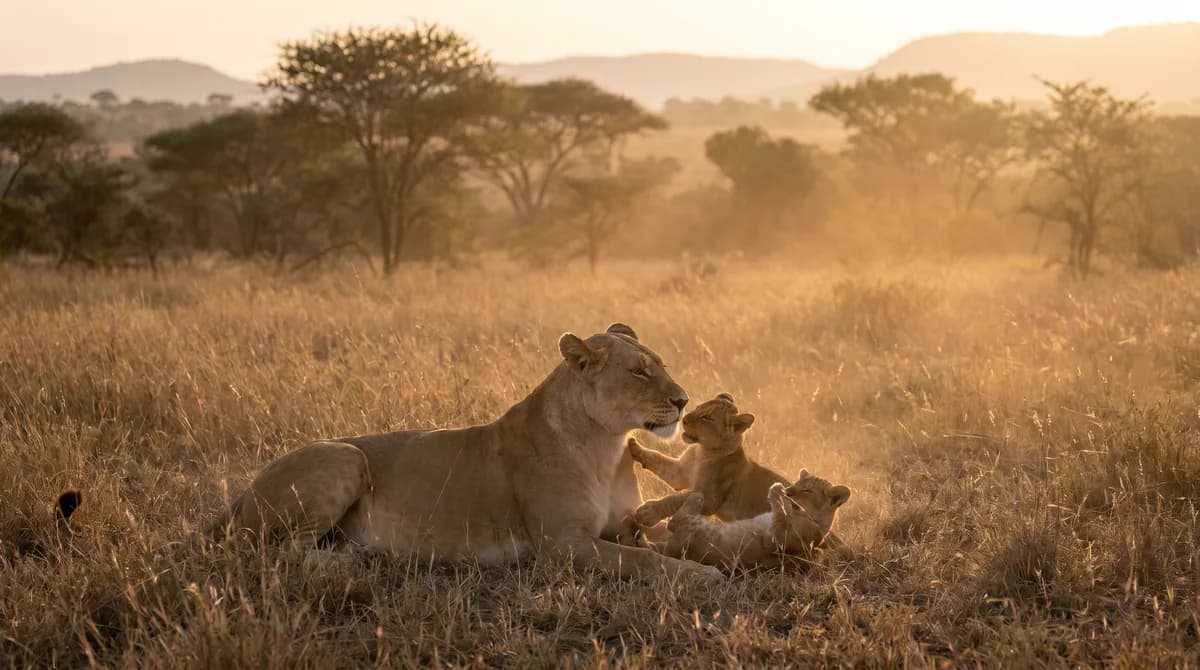
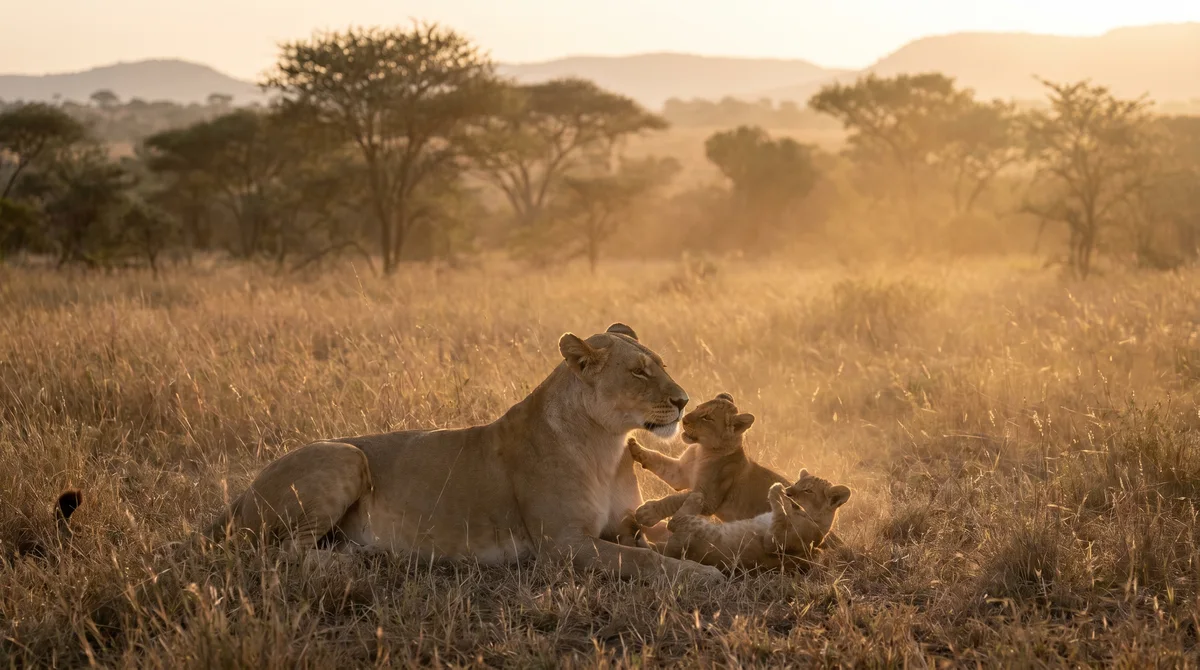
The true roarers are the four members of the genus Panthera: the lion, tiger, leopard and jaguar. Their roars are not just loud noises — they are messages, warning rival cats to stay away and helping family members keep in touch across long distances (San Diego Zoo Wildlife Alliance).
Why those four can roar
Roaring cats have a special, flexible part of the throat (called the hyoid) and long, stretchy vocal folds. When air rushes past, these vibrate slowly to make a deep, powerful sound that travels for kilometres. Cats without this set-up simply cannot produce a true roar, no matter how hard they try.
The big cats that can't roar
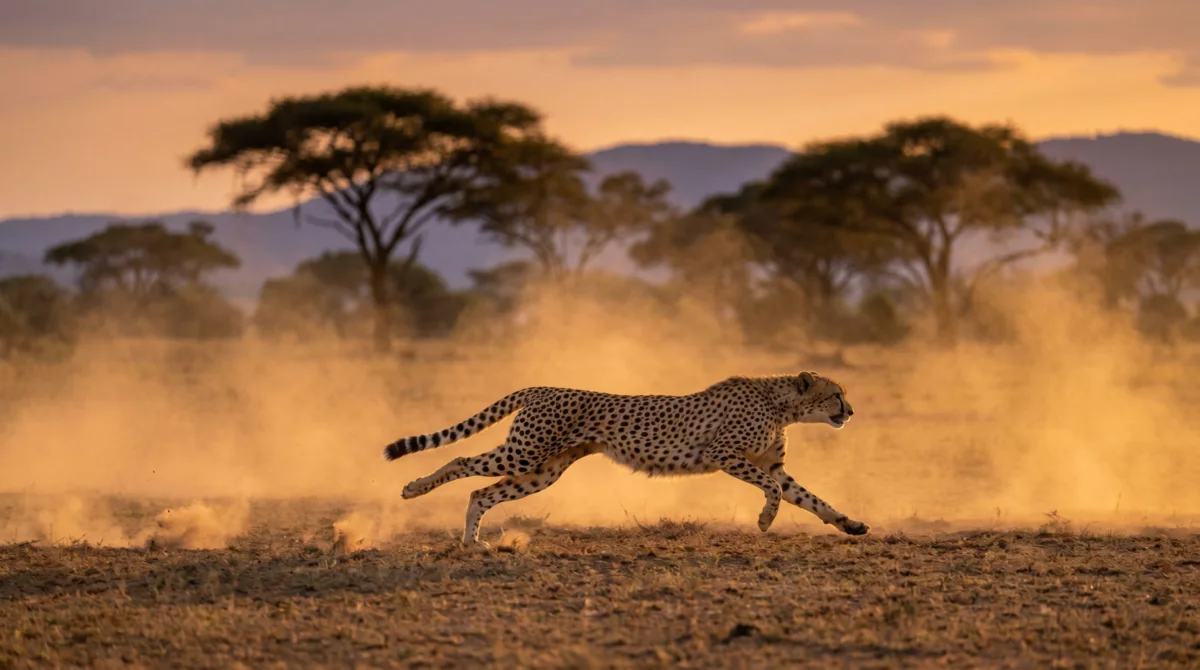
The cheetah is the famous surprise — it cannot roar at all. Instead, cheetahs purr, chirp like birds and make high squeaks. The cougar (also called puma or mountain lion) is the same, which is why it is sometimes called a 'big cat that purrs.' Even the snow leopard, a true member of Panthera, cannot roar — it makes a gentle 'chuff' instead.
Roar or purr — not both
Here is the neat rule: in general, a cat either roars or purrs, not both. House cats purr non-stop but cannot roar; lions roar but cannot purr the same way. The very throat anatomy that allows one tends to prevent the other — a brilliant example of a trade-off in nature.
Think like a scientist
This is a perfect chance to practise careful thinking. The label 'big cat' makes it sound like they can all do the same things — but the evidence shows otherwise. Whenever you hear a sweeping claim ("all X can do Y"), it is worth asking: is that actually true for every one of them? Often, the surprising exceptions are the most interesting part.
How far a roar travels — and why
A lion's roar is one of the loudest sounds in the animal world, reaching about 114 decibels up close and carrying up to 8 km across the savanna. Why so loud? A roar is a long-distance message: it warns rival males to keep out, helps a pride keep in touch over big territories, and lets a lion sound bigger and stronger than any challenger. Sound is cheaper and safer than fighting.
The other sounds big cats make
Roaring is just one part of a big cat's "language." Tigers make a friendly "chuff" (a soft blowing sound) to greet each other. Cheetahs chirp like birds and purr. Cougars scream and purr. Leopards make a rasping cough. Listening to which sounds a cat can and can't make is another clue to how it is built inside (San Diego Zoo Wildlife Alliance).
Roar or purr? Who's who
- Roar: Lion, tiger, leopard, jaguar
- Can't roar: Cheetah, cougar, snow leopard
- Purr: Cheetah, cougar, and small cats
- Loudest roar: Lion (~114 dB, up to 8 km)
- Special sound: Tiger 'chuff', snow leopard 'chuff'
- The rule: A cat roars OR purrs, rarely both
Why purring is special too
It is easy to think roaring is the "better" skill, but purring is its own kind of superpower. The cats that purr — including cheetahs, cougars and your pet cat — can do it continuously, as they breathe in and out. Purring seems to signal calm and contentment, and some scientists think the gentle vibrations may even help injuries heal. So the cat family really splits into two clubs: the roarers and the purrers, each with its own gift.
What a lion is really saying
A roar is not just noise — it is packed with information. By listening to a roar, other lions can tell how big, how close and how many the roarers are. Males roar to defend territory and warn off rivals; prides roar together to sound stronger and to find one another across the dark savanna. In a world where fighting is risky, a powerful voice lets a lion settle arguments without a single scratch.
What this tells us about your pet cat
Here is a neat link home: your house cat is a small cat, in the same broad family as the big ones — and it follows the same rule. It can purr but it cannot truly roar. Next time your cat purrs on your lap, you are hearing the same ability that a cheetah has and a lion does not. Spotting that pattern — same family, different gifts — is exactly the kind of thinking scientists use to classify living things.
Other big cat myths, busted
- 'A black panther is its own species.' No — a 'panther' is usually just a leopard or jaguar with extra-dark fur. Look closely and you can still see its spots.
- 'Lions are kings of the jungle.' Lions live on grasslands and savannas, not jungles.
- 'All tigers live in hot jungles.' Some, like the Siberian tiger, live in snowy forests.
- 'Big cats love water.' Most avoid it, but tigers and jaguars are strong, happy swimmers.
Is a cheetah even a 'big cat'?
Here is a twist that catches everyone out. To scientists, the true 'big cats' are the roaring members of the genus Panthera — so by that strict definition, the cheetah is not technically a big cat at all. It sits in its own separate group. In everyday language we happily call it a big cat because it is large and wild. Noticing that a word can have an everyday meaning and a stricter scientific meaning is a genuinely useful thinking skill (San Diego Zoo Wildlife Alliance).
How scientists figured this out
This is not guesswork — it comes from carefully studying cat bodies and sounds. Researchers examined the throat anatomy of different cats and found the flexible hyoid and long vocal folds only in the roarers. They also record and analyse the calls themselves, measuring pitch and loudness. When the body evidence and the sound evidence agree, scientists can say with confidence which cats can roar — a great example of using more than one clue.
Why this kind of sorting matters
Working out which cats roar is really an exercise in classifying — grouping animals by what their bodies can actually do. The same skill helps scientists work out how animals are related and how they evolved. Roaring, it turns out, is a clue to a cat's family history, not just a cool noise. Learning to group things by evidence rather than by reputation is a habit that powers all of science.
The takeaway: be careful with 'all' and 'never'
The real lesson of this whole question is bigger than cats. Sweeping words like 'all,' 'every' and 'never' are worth pausing on, because nature is full of exceptions. 'All big cats roar' sounds obvious — and it is wrong. Next time you meet a confident, all-or-nothing claim, try the scientist's move: ask whether it is really true for every single case. The exceptions are often where the most interesting facts are hiding.
Bust more cat myths in Wild World: Big Cats
The issue's Myth-Busters spread asks kids to weigh evidence over assumptions — with lions, tigers, cheetahs, puzzles and a quiz, for ages 8-14.
Want the fun facts too? Read 22 big cat facts for kids.
Sources and further reading
Facts in this article were checked against the public, expert sources above. Spotted something out of date? Tell us and we will fix it.
Frequently Asked Questions
Which big cats can roar?
Only four: the lion, tiger, leopard and jaguar — the members of the genus Panthera. Their roars can carry for kilometres to warn rivals and call to family.
Why can't a cheetah roar?
A cheetah's throat is built differently from a lion's. Instead of roaring, cheetahs purr, chirp like a bird, and make high-pitched calls. The same is true of cougars.
What lets a lion roar?
Roaring cats have a specially adapted, flexible part of the throat (the hyoid) and long, stretchy vocal folds. These let them produce deep, loud, far-carrying roars that smaller cats cannot.
Can roaring cats purr?
Not in the continuous way a house cat does. In general, cats either roar or purr — the throat anatomy that allows one tends to prevent the other.
Is a snow leopard a roaring cat?
No. Even though it is a member of Panthera, the snow leopard cannot roar. It makes a non-aggressive call sometimes described as a 'chuff' or 'prusten'.
How loud is a lion's roar?
A lion's roar can reach around 114 decibels up close and be heard up to about 8 km away — one of the loudest calls of any land animal.
Try our free critical thinking games!
Fun, colorful brain-building games for kids ages 6-14. No signup required.
Play Now