How to Teach Kids About Birds of Prey: Activities & a Free Lesson
Key Takeaways
- ✓Start with wonder — speed, eyesight and silent flight grab kids instantly.
- ✓Raptors are great for teaching adaptation (how a body fits a job) and classifying.
- ✓Use the 'eagle carries off a child' myth to teach media literacy and fact-checking.
- ✓Match activities to age: movement and sorting for young kids; research and surveys for older ones.
- ✓Birdwatching turns raptors into real, local science kids can do themselves.
A simple, mostly screen-free way to teach kids about birds of prey — a 15-minute lesson, hands-on activities by age, conversation starters, and resources that build real science and media-literacy skills.
Few animals thrill kids like birds of prey — a falcon faster than a race car, an owl that flies in silence, an eagle that sees a mouse from the sky. Raptors are perfect for teaching how a body is built for a job — and even how to fact-check the internet. Here is a simple, mostly screen-free way to teach kids about birds of prey, with a quick lesson and age-by-age activities.
Last updated 7 June 2026
Step 1: Start with wonder
Open with a record-breaker: a peregrine falcon dives faster than any animal on Earth, an owl turns its head almost all the way round, and an eagle spots dinner from far across a valley. Wonder grabs attention — and it makes kids ask the 'how?' and 'why?' questions that lead to real learning.
A free 15-minute raptor lesson
Works at the table or in class:
- Wonder (3 min): Share two amazing facts and ask, "What makes a bird a bird of prey?"
- Facts (5 min): Read about one raptor together (try our birds of prey facts for kids).
- Fact-check (4 min): Ask, "Can an eagle carry off a child?" and weigh the evidence (see this post).
- Create (3 min): Draw a raptor and label one feature that helps it hunt.
Step 2: Teach adaptation with raptor 'gadgets'
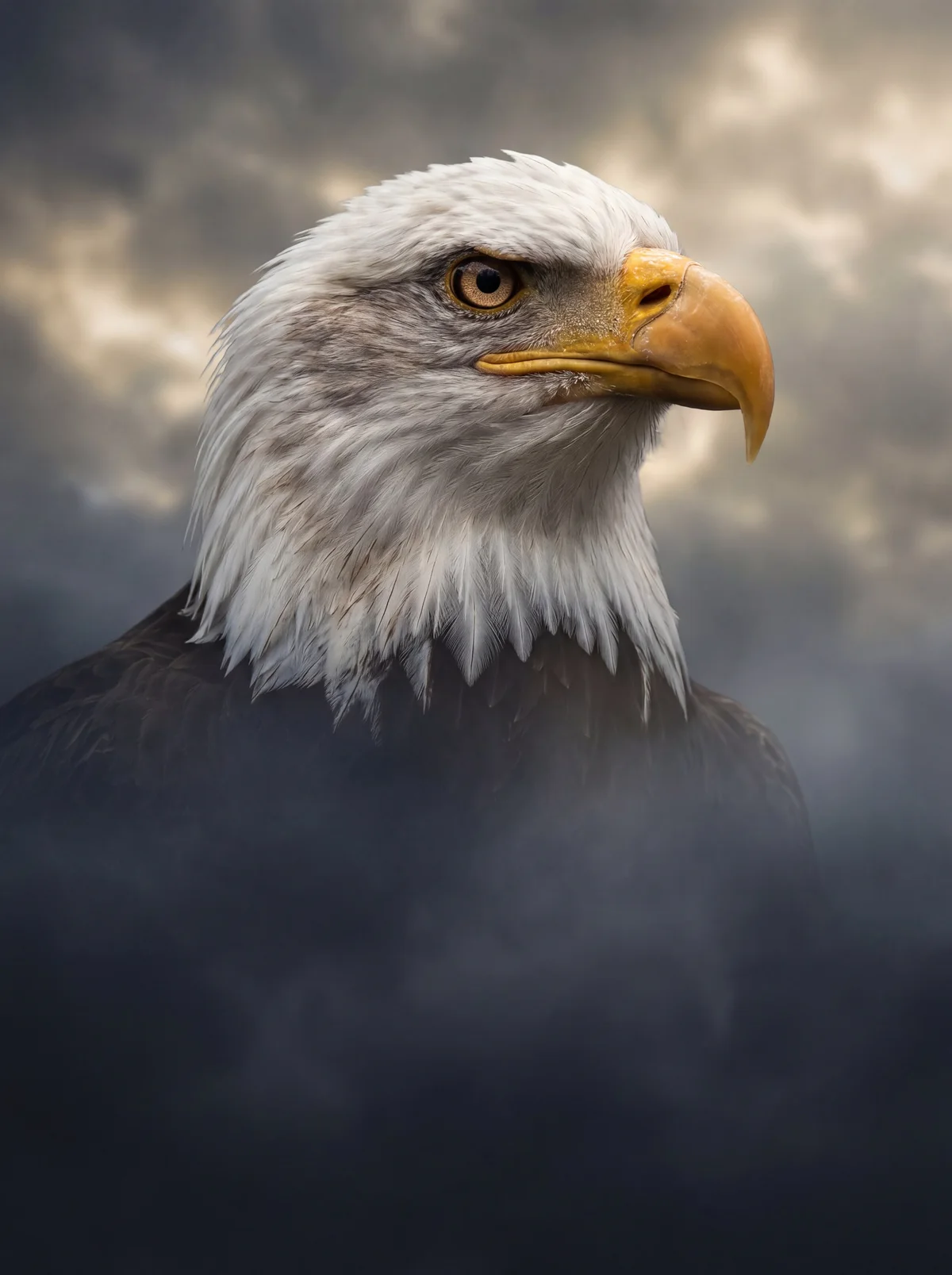
Birds of prey make adaptation easy to see. Try quick demos: roll paper into tubes for 'telescope eyes,' compare a smooth sheet of paper (noisy) with a fringed one (quiet) to show owl silent flight, and curl your fingers into 'talons' to feel a grip. Each one connects a body feature to the job it does — the heart of how science explains living things.
Step 3: Activities by age
Ages 4-7: Act out swooping and 'catching' prey, sort raptor pictures into day and night hunters, and make paper owl eyes.
Ages 8-11: Compare wing shapes (long soaring wings vs pointed speedy wings), classify eagle/hawk/falcon/owl by features, and start a 'birds I've spotted' log.
Ages 12-14: Research how pesticides nearly wiped out eagles and how they recovered, then fact-check a viral animal video and explain how you know.
Ten quick birds-of-prey activities
- Silent flight test — wave plain vs fringed paper and listen.
- Owl head turn — see how far you can turn your head vs an owl.
- Talon grip — pick up objects with 'claw' fingers.
- Wing-shape sort — match wings to soaring vs speed.
- Eyesight game — spot a small object across the garden.
- Day vs night — sort raptors by when they hunt.
- Bird log — record any raptors you see locally.
- Fact-check it — investigate the fake eagle-baby video.
- Food-web role — draw what a barn owl controls.
- Teach-back — explain why owls fly silently.
Questions kids ask — and simple answers
- "Can an eagle grab me?" No — eagles can lift only a few pounds and avoid people.
- "Are owls wise?" They're amazing hunters, but not actually smarter than other birds.
- "What's the fastest bird?" The peregrine falcon, in a dive — the fastest animal alive.
- "Why do vultures eat dead things?" They clean up and stop disease from spreading.
Turn it into a project
For older kids, combine it: choose a raptor, research five facts and fact-check one myth, draw it with labelled adaptations, and present in three minutes. Science and media literacy in one. Our Wild World: Birds of Prey magazine is a ready-made fact 'starter pack,' and the Cornell Lab — All About Birds has superb photos, sounds and ID guides.
Go on a raptor watch
Birds of prey are real, local science kids can do themselves. Pick a high, open viewpoint, bring binoculars if you have them, and watch for soaring shapes — broad wings circling on rising air often mean a buzzard or eagle, while a hovering bird is likely a kestrel. Keep a simple log of what you spot, where and when. Even in cities, patient watching of the sky is often rewarded, and it builds real observation skills.
Visit, watch and read
Many wildlife centres run live birds-of-prey displays where kids can see talons and flight up close; reputable sites like the Cornell Lab — All About Birds offer photos, calls and ID guides; and a good nonfiction bird book rewards repeat reading. Watching a documentary? Give each child a job — time a falcon's dive, or spot how an owl turns its head — to keep it active.
Raptor conversation starters
Get kids thinking with questions like these:
- Why might it help an owl to fly silently?
- If an eagle can only lift a few pounds, how did the 'snatches a baby' myth spread so far?
- How could you check whether a scary animal video is real?
- Why are vultures — which eat dead things — actually good for us?
Make a wingspan comparison
Numbers come alive when kids can stand next to them. Use a tape measure and chalk (or string) to mark out real wingspans on the floor or playground: a kestrel at about 70cm, a golden eagle around 2 metres, an Andean condor over 3 metres. Have a child lie down beside each one. Seeing that a condor's wings dwarf their own height turns an abstract fact into a gasp — and a memory that sticks.
Cross-curricular links
One raptor topic stretches across the timetable. Maths: compare wingspans and diving speeds on a chart. Art: draw a feather or design a coat of arms with an eagle. Writing: write a news report fact-checking the 'eagle grabs baby' video. Science: explore adaptation — why talons, hooked beaks and huge eyes suit a hunter. Birds of prey make a brilliant week-long theme.
Misconceptions to clear up
A few gentle corrections sharpen kids' thinking. Eagles cannot fly off with children; owls are not wiser than other birds; vultures are not dirty (they are vital clean-up crews); and 'bald' eagles are not bald. Each one is a chance to model the key move: replace 'everyone says' with 'let's check what the evidence shows.'
Turn it into a media-literacy mini-lesson
Birds of prey are a perfect bridge to a skill kids need every day: spotting fakes online. Show the famous 'golden eagle snatches a toddler' video, then investigate it together — is it possible, who posted it, can experts confirm it? When children discover it was computer-made, they learn a habit that protects them far beyond wildlife clips. Our Wild World: Birds of Prey issue sets it all up with a ready-made Myth-Busters spread.
Investigate an owl pellet (or a model one)
Owls swallow prey whole and cough up the bones and fur they cannot digest as a neat pellet. Sterilised pellets sold for schools can be gently teased apart to reveal tiny skulls and bones — letting kids work out exactly what the owl ate, like real scientists. No pellet handy? Make a model from plasticine and small pasta 'bones' and have children reconstruct the menu. It is unforgettable, hands-on evidence work.
Design a raptor adaptation poster
Ask kids to draw a bird of prey and label how each body part is a tool for hunting: hooked beak for tearing, talons for gripping, huge forward-facing eyes for judging distance, broad wings for soaring or pointed wings for speed. Connecting each feature to a job is the science of adaptation — and turning it into a poster makes the idea stick far better than a worksheet.
Plan a wildlife-centre visit
Many falconry centres and wildlife parks run live flying displays where children can watch a hawk stoop or an owl glide silently overhead. Before you go, set three questions to answer on the day (How wide are its wings? How does it catch food? Why is it here?). A little preparation turns a fun day out into a memorable, active learning experience.
A done-for-you raptor lesson: Wild World: Birds of Prey
15 pages of facts, a Myth-Busters spread, a draw-along and a quiz — built for ages 8-14. Read a free sample before you buy.
Start with the facts: 24 birds of prey facts for kids.
Sources and further reading
Facts in this article were checked against the public, expert sources above. Spotted something out of date? Tell us and we will fix it.
Frequently Asked Questions
What age can kids learn about birds of prey?
Any age — match the depth. Young children love acting out swooping and 'spotting prey'; kids 8-14 enjoy comparing raptor groups, studying adaptations, and fact-checking eagle myths.
How do birds of prey teach science skills?
They are ideal for teaching adaptation (how a hooked beak, talons and eyes fit a hunter's life), classifying (eagle vs hawk vs falcon vs owl), and even media literacy when you fact-check viral 'eagle' videos.
What are good raptor activities at home?
Make an owl-eyes demo with cardboard tubes, test 'silent flight' with paper, compare wing shapes, watch for local birds of prey, or fact-check a scary eagle video together.
How do I teach media literacy with birds of prey?
Use the famous fake 'eagle grabs baby' video. Ask how much an eagle can really lift, where the clip came from, and what experts say. It is a memorable, kid-friendly intro to checking online claims.
Where can kids learn more about birds of prey?
The Cornell Lab's All About Birds, Audubon and The Peregrine Fund have excellent kid-friendly pages, and you can read a free sample of our Wild World: Birds of Prey magazine online.
Try our free critical thinking games!
Fun, colorful brain-building games for kids ages 6-14. No signup required.
Play Now