How to Teach Kids About Dinosaurs: Activities, Facts & a Free Lesson
Key Takeaways
- ✓Lead with wonder — dinosaurs are a brilliant hook for teaching how science actually works.
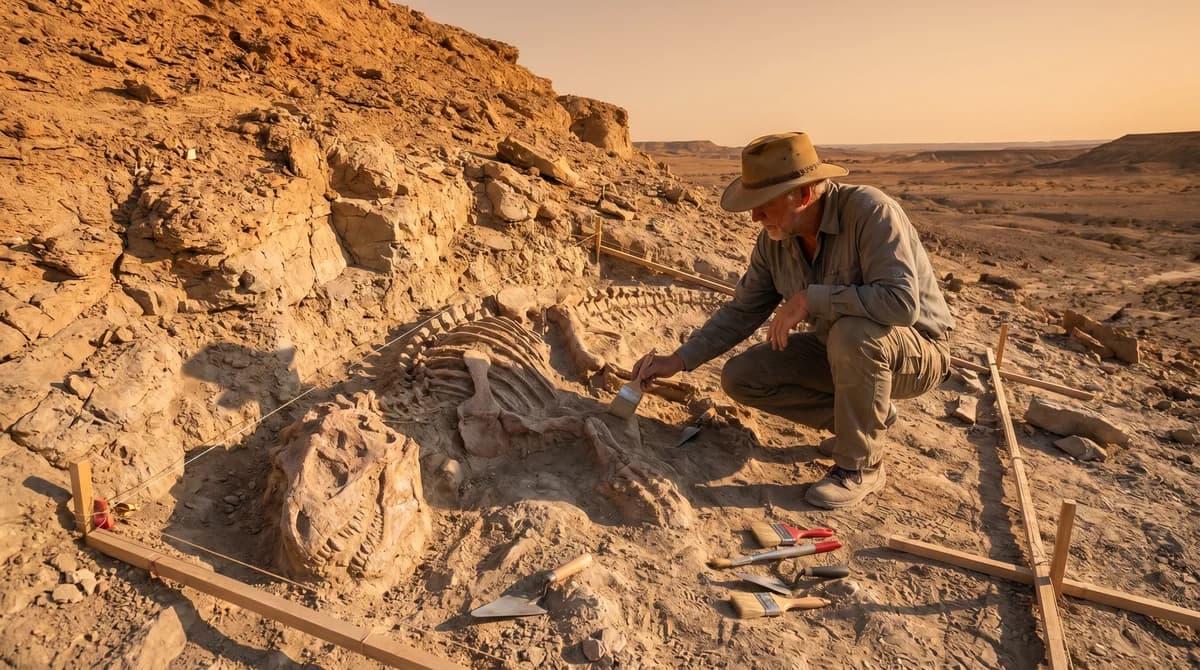
- ✓Use fossils to show how scientists figure out the past from clues (evidence and inference).
- ✓Match activities to age: dig-and-sort play for young kids; timelines and debates for older ones.
- ✓Update old myths (scaly Velociraptor, dinosaurs as failures) with current evidence.
- ✓Hands-on projects — fossil casts, timelines, fact-files — make the learning stick.
A simple, mostly screen-free way to teach kids about dinosaurs — a 15-minute lesson plan, fossil and timeline activities by age, conversation starters, and resources that build real science thinking.
Almost every child goes through a dinosaur phase — and it is one of the best teaching opportunities you will ever get. Dinosaurs are not just exciting; they are a perfect way to show how science works: using clues to figure out a world no human ever saw. Here is a simple, mostly screen-free way to teach kids about dinosaurs, with a quick lesson and age-by-age activities.
Last updated 7 June 2026
Step 1: Start with wonder
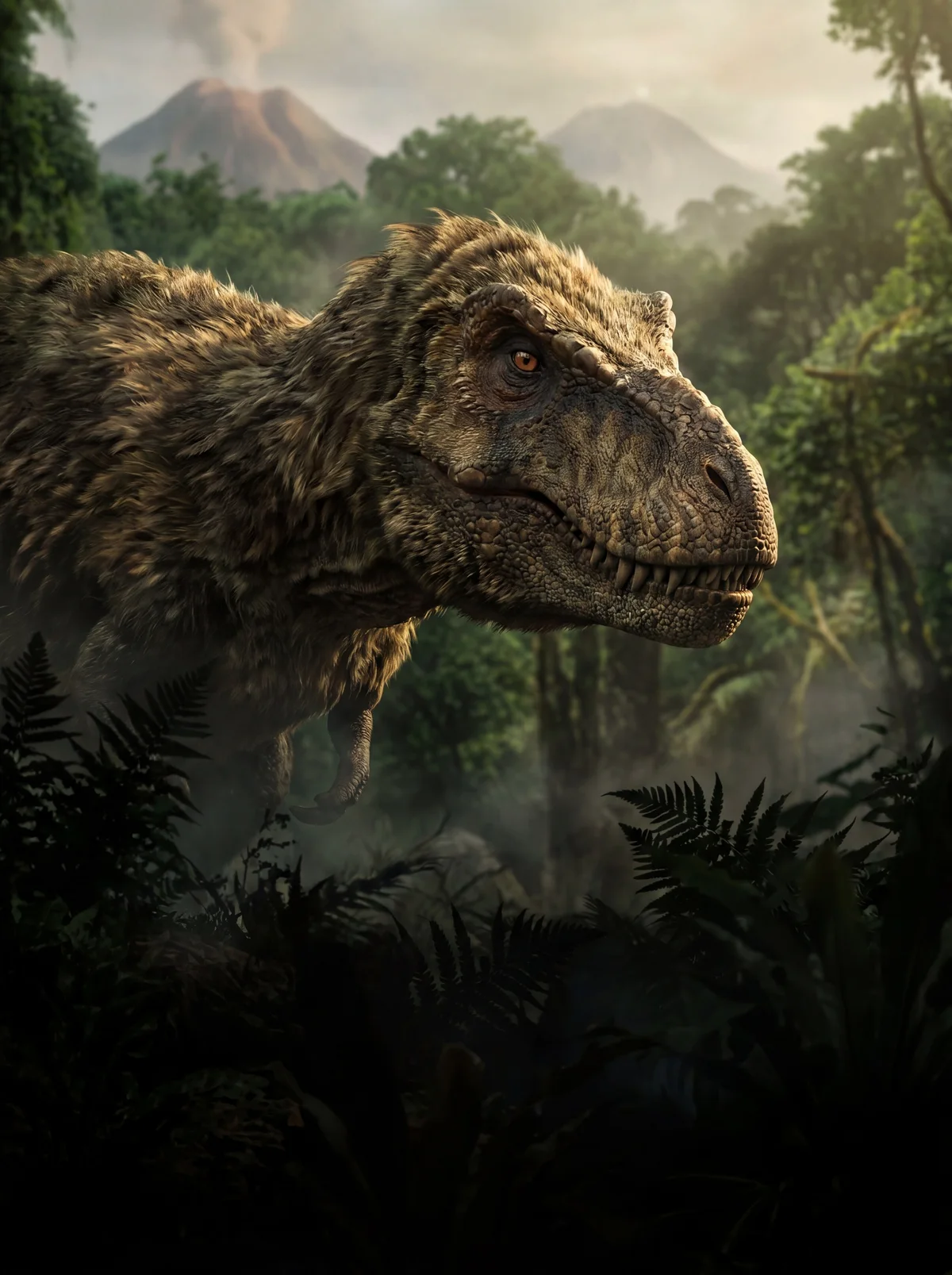
Open with something jaw-dropping: some dinosaurs were longer than three buses, the fiercest hunters had feathers, and one group is still alive as birds. Wonder hooks attention far better than a list of names — and it makes kids want to ask questions.
A free 15-minute dinosaur lesson
Works at the table or in class:
- Wonder (3 min): Share two surprising facts and ask, "How could anyone know that if dinosaurs died out so long ago?"
- Fossils (5 min): Explain that fossils are clues, then read about one dinosaur together (try our dinosaur facts for kids).
- Think (4 min): Ask, "Are dinosaurs really extinct?" and explore the bird link (see this post).
- Create (3 min): Draw a dinosaur with feathers, or write one fact and one updated myth.
Step 2: Activities by age
Ages 4-7: Bury toy bones in sand and run a "dig," sort dinosaurs into big and small, and stomp out how different dinosaurs might have moved.
Ages 8-11: Make a fossil cast with playdough, build a three-period timeline along a hallway, and sort dinosaurs into meat-eaters and plant-eaters using their teeth as clues.
Ages 12-14: Research how scientists decide if a dinosaur was warm-blooded, then debate it. Or investigate the evidence that birds are dinosaurs and present the case.
Step 3: Update the myths with evidence
Dinosaur science keeps changing, which is the lesson. Show kids that Velociraptor had feathers and was turkey-sized, and that dinosaurs were not "failures" — they thrived for 165 million years. Ask "how do we know that now?" every time (American Museum of Natural History).
Step 4: Make it stick
Finish with a project: a fossil cast, a labelled timeline, or a one-page fact file the child presents to you. Building and explaining beats memorising every time. Museums such as the Natural History Museum, London have great free pages to extend the learning.
Ten quick dinosaur activities
Pick and mix — most take 10-20 minutes:
- Backyard dig — bury toy bones in sand and excavate them with brushes.
- Fossil casts — press shells or toys into playdough to make "fossils."
- Timeline hallway — tape up Triassic, Jurassic and Cretaceous and place dinosaurs on it.
- Teeth detective — sort dinosaurs into plant- or meat-eaters by their teeth.
- Feather it up — redraw a "scaly" Velociraptor with feathers.
- Size it out — measure 30 m on the ground to feel how long a sauropod was.
- Name game — decode dino names ("Triceratops" = three-horned face).
- Real or not? — sort cards into dinosaurs vs pterosaurs/plesiosaurs.
- Bird-dinosaur hunt — spot features birds share with dinosaurs.
- Fact file — research one dinosaur and make a poster.
Questions kids ask — and simple answers
- "How do we know what colour they were?" Usually we don't — but a few feathered fossils preserve colour clues, so some dinosaur colours are now known.
- "Did people ever see dinosaurs?" No — the last big dinosaurs died out about 66 million years before humans appeared.
- "What's the difference between a dinosaur and a lizard?" Dinosaurs stood with legs under the body; lizards sprawl. And birds are dinosaurs, not lizards.
- "Were dinosaurs warm-blooded?" Many probably were, or close to it — their active, bird-like bodies are a big clue.
Turn it into a project
For older kids, combine several activities into one mini-project: pick a dinosaur, gather five facts, build a model or timeline, and present it in three minutes. Research, writing and presenting all in one — and it sticks far better than memorising names. Our Wild World: Dinosaurs magazine makes a great fact "starter pack."
Make a fossil cast at home
This simple activity shows kids exactly how fossils form and how scientists study them. Press a shell, leaf or plastic dinosaur firmly into a flat blob of playdough or clay to leave a clear print, then lift it out — that hollow is like the mould a real fossil leaves in rock. Now pour in a little mixed plaster of Paris (or more dough), let it set, and remove it: you have a cast, just like the fossil casts in museums. Talk about how the original animal is long gone, yet its shape survives. It is hands-on palaeontology in fifteen minutes.
Field trips and screen time that count
Stretch the topic beyond the table. A trip to a natural-history museum lets kids stand next to real skeletons and feel the scale; many museums (such as the Natural History Museum, London and the American Museum of Natural History) also have excellent free online pages and videos. If you do use screens, choose reputable documentaries and then ask, "What in that show is solid evidence, and what is the film-makers guessing?" Turning passive watching into active questioning keeps the science sharp.
Cross-curricular links
Dinosaurs reach into every subject. Maths: measure and compare dinosaur lengths, or count in millions to feel deep time. Art: draw a feathered dinosaur or sculpt one from clay. Writing: keep a 'palaeontologist's field diary' of a dig. Geography: map where famous fossils were found and how the continents have moved. One dinosaur theme can carry a whole week of learning across the timetable.
Common misconceptions to clear up
Dinosaurs come wrapped in myths, which makes them perfect for practising fact-checking. Gently correct that humans and dinosaurs never lived at the same time; that pterosaurs and plesiosaurs were not dinosaurs; that many dinosaurs had feathers, not just scales; and that dinosaurs were not failures — they thrived for 165 million years. Each fix ends with the same question: how do we know that?
Run a fossil debate
Older kids love a good argument backed by evidence. Pose a real scientific question — for example, 'Was T. rex a fearsome hunter or mostly a scavenger?' — and split into two teams. Each side gathers clues (huge jaws and good eyesight versus tiny arms and a powerful sense of smell) and presents its case. There is no need for a 'winner': the point is to argue from evidence, which is exactly what real palaeontologists do.
Help kids grasp 'deep time'
The hardest dinosaur idea is not size — it is time. Try this: roll out a long rope or tape and let it stand for Earth's history. Mark where dinosaurs appeared, where the asteroid struck, and then show that all of human history fits in the last finger-width. Children gasp when they see how recently we arrived. Feeling the scale of deep time turns 'millions of years' from a number into genuine awe.
Why dinosaurs make the perfect first science topic
If you want one subject to spark a lifelong love of science, dinosaurs are hard to beat. They combine pure excitement with every big scientific habit: gathering clues, reasoning from evidence, and updating ideas when new fossils appear. A child who learns to ask 'how do we know?' about dinosaurs is building the exact mindset they will use for chemistry, history and everything else. The dinosaurs are the hook; clear thinking is the real prize.
A done-for-you dino lesson: Wild World: Dinosaurs
15 pages of facts, the feathered-or-scaly debate, a Myth-Busters spread, a draw-along and a quiz — built for ages 8-14. Read a free sample before you buy.
Start with the facts: 25 dinosaur facts for kids.
Sources and further reading
- Natural History Museum, London
- American Museum of Natural History
- Smithsonian National Museum of Natural History
Facts in this article were checked against the public, expert sources above. Spotted something out of date? Tell us and we will fix it.
Frequently Asked Questions
What age can kids start learning about dinosaurs?
Any age — just match the depth. Toddlers and young children love naming dinosaurs and 'digging'; kids 8-14 enjoy timelines, fossil reasoning, the bird connection, and debates about how dinosaurs lived.
How do I explain fossils to a child?
Say fossils are clues — like footprints at a crime scene. Scientists use bones, tracks and even dung to work out what an animal was like, even though no one ever saw it alive. It is detective work with rocks.
What are good dinosaur activities at home?
Bury toy bones in sand for a 'dig', make a fossil cast with playdough, build a dinosaur timeline along a hallway, sort dinosaurs into meat-eaters and plant-eaters, or read a fact file and quiz each other.
How can dinosaurs teach critical thinking?
Dinosaur science changes as new fossils are found (feathers, the bird link). That makes dinosaurs perfect for teaching kids that good scientists update their ideas when the evidence changes.
Are there free dinosaur resources for kids?
Yes — museums like the Natural History Museum and the American Museum of Natural History have excellent kid-friendly dinosaur pages, and you can read a free sample of our Wild World: Dinosaurs magazine online.
Try our free critical thinking games!
Fun, colorful brain-building games for kids ages 6-14. No signup required.
Play Now