How to Teach Kids About Polar Animals: Activities and a Free Lesson
Key Takeaways
- ✓Start with wonder — survival in -40°C cold instantly grabs kids' attention.
- ✓The blubber-glove experiment makes 'how animals stay warm' real in two minutes.
- ✓Use polar animals to teach adaptation (how a body fits its home) and to bust the polar-bear-and-penguin myth.
- ✓Match activities to age: sorting and dressing-up for young kids; food webs and climate for older ones.
- ✓Hands-on projects — habitat dioramas, fact files, blubber tests — make the learning stick.
A simple, mostly screen-free way to teach kids about polar animals — a 15-minute lesson, hands-on activities by age (including the famous blubber-glove experiment), conversation starters and a magazine that builds real science skills.
Few topics grab children like the polar regions — a world of ice, blizzards and animals that survive cold that would defeat almost anything else. Best of all, polar animals are a perfect way to teach 'adaptation': how an animal's body is shaped to fit where it lives. Here is a simple, mostly screen-free way to teach kids about polar animals, with a quick lesson and age-by-age activities.
Last updated 7 June 2026
Step 1: Start with wonder
Open with something jaw-dropping: a male emperor penguin balances an egg on his feet for two months in the dark without eating, and a polar bear can smell a seal from over a kilometre away. Wonder hooks attention far better than a list of names — and it makes kids want to ask how on earth such things are possible.
A free 15-minute polar lesson
Works at the table or in class:
- Wonder (3 min): Share two amazing facts and ask, "How could any animal survive at -40 degrees?"
- Facts (5 min): Read about one polar animal together (try our polar animal facts for kids).
- Think (4 min): Ask, "Do polar bears and penguins ever meet?" and check a map (see this post).
- Create (3 min): Draw a polar animal and label two features that keep it warm.
Step 2: The famous blubber-glove experiment
This is the activity kids remember for years, and it takes two minutes. Scoop a big blob of vegetable shortening or lard into a sealable plastic bag. Have the child put one hand inside a plain plastic bag and the other inside the 'blubber' bag, then dunk both into a bowl of ice water. The plain hand soon feels freezing; the blubber hand stays cosy. Suddenly they understand, in their own skin, how a layer of fat keeps a seal or whale warm.
Step 3: Activities by age
Ages 4-7: Sort polar animal pictures into 'snowy north' and 'snowy south,' waddle and huddle like emperor penguins, and match each animal to its white winter coat.
Ages 8-11: Do the blubber experiment, build a shoebox Arctic or Antarctic habitat, and draw a simple polar food web starting with krill.
Ages 12-14: Investigate why sea ice matters to polar bears and what melting ice means, then debate how we could help, or compare how Arctic and Antarctic animals solve the same cold problem differently.
Step 4: Update the myths with evidence
Polar animals come with myths worth busting. Show that polar bears and penguins never meet, that a polar bear's fur is not really white, and that not all penguins live in snow. Each time, ask "how do we know?" and check a trusted source (WWF — Polar Bear). Turning a confident guess into a checked fact is the real lesson.
Step 5: Make it stick
Finish with a project: a habitat diorama, a 'who lives where' poster, or a fact file the child presents to you. Building and explaining beats memorising every time. Reputable sites like the British Antarctic Survey have great free pages and photos to extend the learning.
Ten quick polar activities
Pick and mix — most take 10-20 minutes:
- Blubber glove — test how fat keeps a hand warm in ice water.
- North or south? — sort animals into Arctic and Antarctic.
- Penguin huddle — huddle up and feel how the middle stays warmest.
- Habitat shoebox — build an icy scene for a chosen animal.
- Food web — link krill, fish, penguins, seals and whales with string.
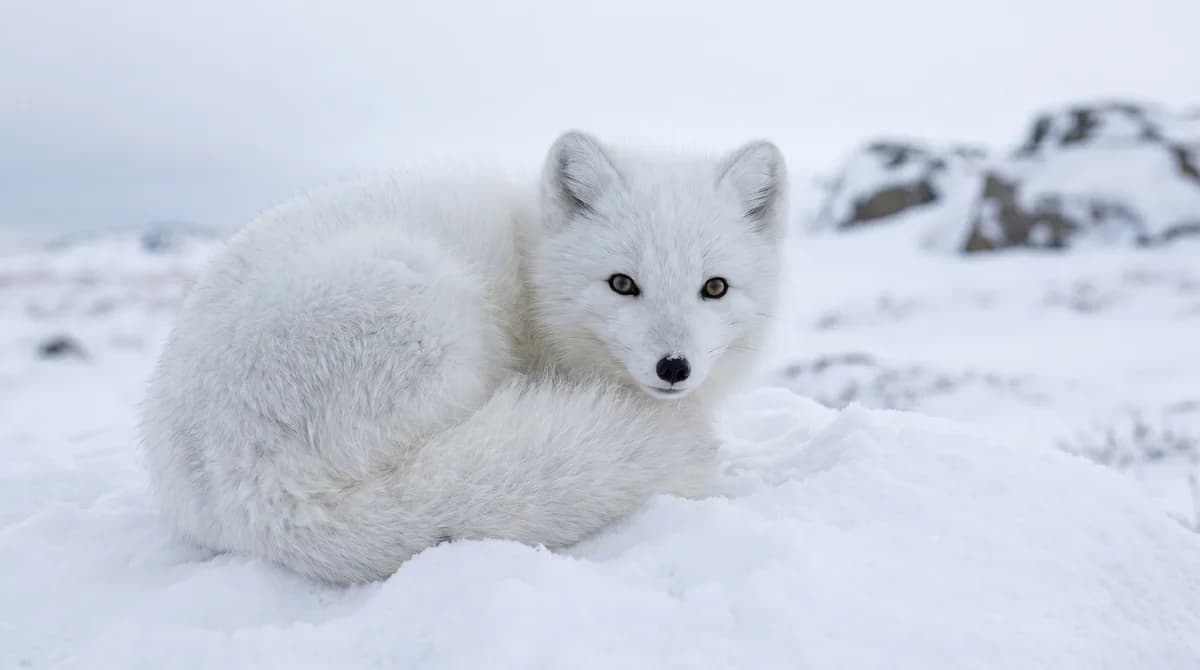
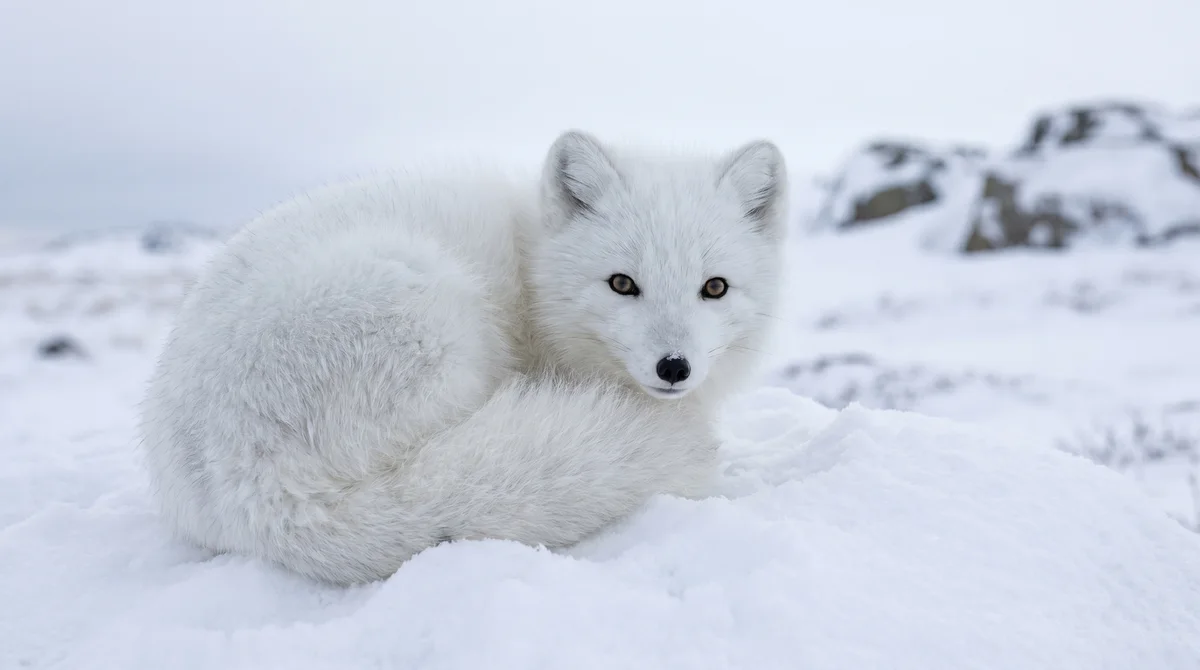
- Camouflage colours — colour an Arctic fox for summer and winter.
- Map it — mark where polar bears and penguins live on a globe.
- Ice-melt test — watch an ice cube melt and talk about shrinking sea ice.
- Myth busters — test a grown-up on the polar bear and penguin myth.
- Fact file — research one polar animal and make a poster.
Cross-curricular links
One polar topic stretches across the timetable. Maths: chart freezing temperatures or measure the Arctic tern's huge migration on a map. Art: paint a Northern Lights sky or design an animal's winter coat. Writing: keep a polar explorer's diary. Geography: find the Arctic and Antarctic on a globe and discuss why they differ. One frozen theme can carry a whole week of learning.
Misconceptions to clear up
A few gentle corrections go a long way. Polar bears and penguins do not live together; the North Pole is not solid land (it is floating ice); penguins are not only icy-weather birds; and polar bears are not actually white-furred. Each fix is a chance to model the key move: replace 'everyone says' with 'let's check the evidence.'
Polar conversation starters
Spark thinking with questions like these:
- Why might small ears help an animal that lives somewhere freezing cold?
- Penguins and polar bears never meet — so why do we always see them together?
- If the sea ice melts earlier each year, what problems might that cause a polar bear?
- Would you rather survive the Arctic winter as a polar bear or an Arctic fox — and why?
Finish with a teach-back
The fastest way to lock in learning is to have the child teach it back to you. Ask them to explain one way polar animals stay warm and to bust one polar myth, as if you knew nothing about it. Teaching forces them to organise their thoughts, spot any gaps, and put the science into their own words — and it makes a calm, confident finish to the whole topic.
Play the penguin huddle game
This active game makes a real science idea click. Have a group bunch together like emperor penguins, with one child on the cold 'outside.' Every 20 seconds, the outside child shuffles into the warm middle while someone else rotates out — exactly as real penguins take turns sharing the freezing edge. Afterwards, ask why no single penguin gets stuck in the cold. Kids feel, in their own bodies, how teamwork helps a whole colony survive the Antarctic winter.
Build a polar habitat diorama
Turn a shoebox into the Arctic or Antarctic. Paint it white and blue, add cotton-wool snow, a foil 'sea,' and paper icebergs, then populate it with the correct animals for that pole — a deliberate way to reinforce that bears go north and penguins go south. Building each detail forces kids to ask where things belong and why. The finished box doubles as a display and a brilliant prompt for retelling everything they have learned.
Bring in a virtual expedition
You cannot pop to Antarctica, but you can visit it on screen. Reputable research bodies and zoos run live penguin cams and post short, accurate clips of polar wildlife. Watch a few minutes actively: give each child a job — count the penguins, spot a chick, time how long a seal dives. Turning passive watching into a mini-observation task keeps it scientific rather than just background telly.
Handling the climate question gently
Polar animals naturally raise the topic of melting ice, and you can tackle it at the right level. For younger kids, keep it simple and hopeful: ice is the polar bear's hunting ground, so we want to look after it. For older kids, look at real data on shrinking sea ice and discuss what people are doing to help. Framing it around caring and acting, not fear, keeps the lesson empowering.
Why polar animals are a great science topic
Few subjects show off adaptation as clearly as polar wildlife. Every feature — blubber, white fur, small ears, huddling, antifreeze blood in some fish — is an obvious answer to one question: how do you survive extreme cold? Once kids learn to read an animal's body as a set of clever solutions to its environment, they have a thinking tool they will use for every habitat, from the desert to the deep sea.
A done-for-you polar lesson: Wild World: Polar Animals
15 pages of facts, a Myth-Busters spread, a draw-along and a quiz — built for ages 8-14. Read a free sample before you buy.
Start with the facts: 24 polar animal facts for kids.
Sources and further reading
Facts in this article were checked against the public, expert sources above. Spotted something out of date? Tell us and we will fix it.
Frequently Asked Questions
What age can kids learn about polar animals?
Any age — just match the depth. Young children love sorting polar animals and acting out a penguin huddle; kids 8-14 enjoy adaptations, food webs, the two-poles difference, and climate questions.
What is the blubber experiment?
Put one hand in a bag of shortening or lard, both hands inside plastic bags, then plunge both into ice water. The 'blubber' hand stays warm far longer — a vivid, two-minute way to show how fat keeps polar animals warm.
What are good polar animal activities at home?
Try the blubber-glove test, build a shoebox Arctic or Antarctic habitat, sort animals into 'north' and 'south', map where each lives, or read a fact file and quiz each other. A trip to a zoo or aquarium is a great bonus.
How do polar animals teach science skills?
They are perfect for teaching adaptation — every feature, from blubber to white fur, is a clue to survival. They also teach classifying (Arctic vs Antarctic) and how to check claims, like the polar-bear-and-penguin myth.
Where can kids learn more about polar animals?
Reputable sources like WWF, the British Antarctic Survey and National Geographic Kids have excellent polar pages, and you can read a free sample of our Wild World: Polar Animals magazine online.
Try our free critical thinking games!
Fun, colorful brain-building games for kids ages 6-14. No signup required.
Play Now